
注塑模具成本指南:定价因素与策略
注塑模具的成本是多少?对于简单的原型模具或单腔模具,预算可能从几千美元起。复杂的多腔钢制模具的成本可能超过 10 万美元。注塑模具的实际成本取决于零件几何形状、模具尺寸、腔数、钢材、流道系统、公差、表面光洁度、预期模具寿命以及特殊机构。
这个范围之所以如此之广是有原因的。一个在屏幕上看起来很简单的塑料零件,一旦考虑到脱模剂,可能就需要滑块、顶杆、嵌件或旋出系统。一个小小的设计改动就可能改变整个模具的结构。如果您正在计划制作注塑模具,那么真正重要的问题不仅是“注塑模具的价格是多少?”,还有“您究竟在为什么付费?在钢材切割之前,能否简化设计?”
2026年注塑模具的成本是多少?
一份切实可行的预算首先要确定模具类型和生产目标。以下数据仅为大致的规划范围,并非最终的注塑模具报价。
工具类型
典型预算方向
常用
原型或软工具
几千美元及以上
验证,短程运行
单腔生产模具
低至中等
稳定部件,适中体积
多腔钢模
中等至高
更高产出
热流道生产模具
前期成本较高
高容量、低跑步机损耗
2K、可拆卸或复杂动作模具
高到非常高
复杂功能部件
注塑模具的成本很少仅仅取决于零件重量。一个掌心大小、采用直拉式结构的模具可能比一个需要自动拆卸的小型螺纹零件成本更低。定制注塑模具的成本取决于模具内部的工程设计。
注塑模具成本包含哪些内容?
注塑模具成本包括工程设计、机械加工、装配、试模、修正和可重复生产,而不仅仅是模架和钢材。
设计、加工和试制工作
典型的工艺流程包括面向制造的设计 (DFM)、模具设计、数控加工 (CNC)、电火花加工 (EDM)、装配、试模、样品检验和修正。常用钢材包括 P20、H13、S136、NAK80、1.2343、1.2344 和 8407,选择时需考虑树脂性能、耐磨性、表面光洁度和刀具寿命。
装饰性部件会增加抛光或纹理处理,而玻璃纤维增强塑料则可能增加磨损。试模也至关重要。翘曲、流痕、填充不良、粘连或尺寸偏差都可能使原本低价的报价变成昂贵的返工。
哪些注塑模具成本因素最为重要?
注塑模具成本的主要因素相互影响,这就是为什么两个供应商对同一个 CAD 设计的报价可能大相径庭。
零件几何形状、空腔和运动
倒扣是常见的成本驱动因素。如果零件无法直接从模具中取出,则可能需要滑块、顶杆或螺纹脱模机构。零件越多,意味着需要更多的加工和装配工作。
多腔模具的成本也会随着腔数的增加而上升,因为模具尺寸增大,流道平衡、冷却和加工的要求也更高。然而,在大批量生产的情况下,更多的腔数可以降低零件成本,因为每个循环可以生产更多的零件。
模具钢材、流道系统和表面处理
生产注塑模具的成本会随着使用寿命的延长而增加,因为更长的使用寿命需要使用更硬的钢材、热处理、耐磨部件或更严格的加工控制。热流道模具的前期成本通常较高,因为该系统需要加热部件和更严格的温度控制。冷流道模具结构更简单、成本更低,但会产生流道废料,并且可能会延长生产周期。在大批量生产的情况下,成本更高的系统仍然可能更具经济效益。
镜面、精细纹理或紧密装配配合也需要更多的机械加工、抛光、检查和试调。
如何降低注塑模具成本?
如果您正在寻找降低注塑模具成本的方法,请在模具制造之前就开始。一次简短的工程评审就能节省一大笔钱。
先修复零件,再修复模具
尽早检查壁厚、拔模斜度、加强筋、倒扣、分型线、浇口和顶出情况。移动卡扣结构可能会导致滑块脱落。更均匀的壁厚可以减少缩痕和翘曲,而更好的拔模斜度可以简化顶出操作。
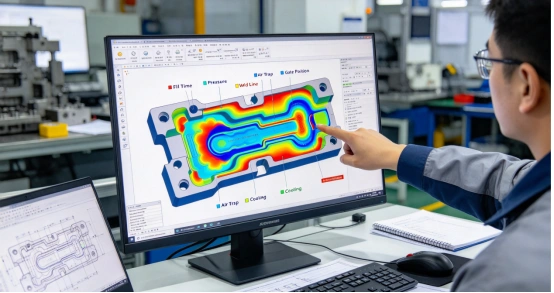
DFM(面向制造的设计)审查可以在加工前发现这些问题。Moldflow 分析对于复杂零件非常有用,因为它能够预测熔接线、气泡、填充不平衡、翘曲、冷却问题和压力风险。及早发现这些问题可以减少重复换模和额外的试验。
降低注塑模具成本的更广泛答案很简单:不要购买不需要的模具寿命或复杂度。根据实际生产预测来选择合适的钢材、型腔数量、流道类型和模具等级。
注塑模具成本计算器能给出准确的报价吗?
注塑模具成本计算器有助于早期预算编制。它可以对零件尺寸、型腔数量、倒扣、流道类型、模具寿命和公差进行评分。但是,注塑模具成本计算器无法识别CAD模型中的所有关模问题、冷却问题或装配风险。
为了获得可靠的注塑模具报价,请提供3D文件。包含关键公差、树脂类型、预期年产量、使用寿命内用量、表面要求以及任何特殊模具标准的二维图纸。这些信息为工程师提供了足够的背景信息,以便他们判断注塑模具的实际成本,而不仅仅是一个粗略的范围。
为什么两份注塑模具报价会如此不同?
较低的价格可能采用不同的钢材、更少的备件、更简单的冷却方式或更少的试用支持。它还可能不包含 Moldflow 分析、纹理分析、热流道组件、尺寸报告或后续修正服务。
逐项比较方案。询问模具寿命、钢材等级、型腔数量、流道系统、关键公差、试样品、修改政策和维护零件等信息。注塑模具价格低并不一定意味着项目成本低。
除了初始模具价格之外,您还应该考虑哪些因素?
设计稳定后,要询问供应商能否将模具从工程设计阶段过渡到可重复生产的阶段。这和最初的报价一样,都会影响注塑模具的总成本。
XINKEY MOULD 将面向制造的设计 (DFM)、Moldflow 建模、模具设计、精密加工、试模和生产支持整合到一个工作流程中。其工程团队擅长处理滑块、升降器、镶件、自动脱模装置以及双材料模具等复杂结构。生产设备包括 19 台以上的 CNC 加工中心,注塑能力从 90 吨到 750 吨不等。模具重量范围从 150 公斤到 15 吨,模具尺寸从 150 毫米到 1500 毫米不等。
对于需要在规模化生产前进行验证的项目,模具试制和生产支持可以将T1样品、尺寸检查、修正和后续生产衔接起来。有关制造能力的更多详情,请访问公司网站。
常问问题
Q1:注塑模具的成本是多少?
答:注塑模具的价格范围很广,简单的模具可能只需几千美元,而复杂的多腔生产模具则可能超过十万美元。最终的注塑模具成本取决于实际的CAD设计、产量、钢材种类、型腔数量、机械结构、公差和表面光洁度。
Q2:哪些因素对注塑模具成本影响最大?
答:影响注塑模具成本的最大因素是零件几何形状、模具尺寸、型腔数量、倒扣、钢材、模具寿命、流道系统、公差和表面光洁度。
Q3:原型注塑模具成本和生产注塑模具成本有什么区别?
答:原型注塑模具的成本通常较低,因为这类模具主要用于小批量生产,且更换模具也更方便。而生产模具则需要更高的耐用性、更好的冷却性能和更长的使用寿命。
Q4:为什么多腔模具的成本更高?
答:型腔越多,需要的加工量就越大,所需的刀具尺寸也越大,填充也越均衡,冷却系统也越复杂。虽然刀具成本较高,但当产量较大时,反而可以降低单位成本。
Q5:如何获得准确的注塑模具报价?
答:请提供3D CAD模型、2D图纸、树脂种类、年产量、关键公差、表面光洁度以及预期模具寿命。这样供应商就能获得足够的信息来为实际生产方案报价。
阅读更多

什么是塑料注塑模具?完整指南
塑料零件在屏幕上看起来可能很简单,但一旦开始钢材切割,成本就会飙升。隐藏的倒扣可能需要滑块。较厚的壁厚会导致缩痕。浇口位置哪怕移动几毫米,都可能改变熔接线和造成翘曲。这就是为什么注塑模具的制作要先于数控加工。
注塑模具涵盖模具本身以及使其达到生产就绪状态所需的所有工作,包括注塑成型可制造性设计 (DFM)、模流分析、注塑模具设计、加工、试模和注塑模具验证。优质的注塑模具能够确保零件的重复性,并减少产品上市后的意外情况。
什么是塑料注塑模具?
注塑模具是一种配套的金属工具,用于在压力下将熔融树脂成型。型腔形成零件的外形,而型芯则形成零件的内外形。更广义的术语“注塑模具”还涵盖了确保模具可靠运行的各种决策。
注塑模具的结构必须能够输送树脂、排出空气、散热并干净利落地顶出零件。它可能用于数百次原型试模,也可能用于数百万次的生产循环。预期产量应作为规格制定的依据。
注塑模具的工作原理是什么?
在注塑成型过程中,熔融树脂通过浇口、流道系统和浇口进入模具。保压用于补偿收缩。注塑模具冷却系统带走热量,模具在分型线处打开,注塑模具顶出系统将零件顶出。
注塑模具排气不良会导致烧焦或短射。冷却不均匀会导致注塑件翘曲变形和生产周期延长。流道不平衡可能导致一个型腔通过检验,而下一个型腔却不合格。
注塑模具的主要组成部分有哪些?
型芯和型腔镶件决定了模具的几何形状和表面光洁度。模架支撑着它们,导销则确保模具的两半保持对齐。浇口和流道控制着流体流动。冷却通道管理着温度。排气孔排出空气。顶针、套筒、顶杆和脱料板负责顶出。
复杂的注塑模具组件可解决特定问题。滑块可清除外部倒扣,而升降器则可处理内部倒扣。旋转型芯可自动成型和释放螺纹盖。可更换的易损件简化了注塑模具的维护。
注塑模具主要有哪些类型?
注塑模具的类型应与产量、树脂种类、形状和预算相匹配。原型注塑模具适用于小批量注塑成型。生产型注塑模具采用强度更高的材料,适用于大批量注塑成型,且使用寿命更长。
单腔、多腔和系列工具
单腔注塑模具每次循环生产一个零件。多腔注塑模具可以提高产量,但需要均衡的流体流动和冷却。系列注塑模具一次注塑即可生产多个相关零件,但尺寸不一会增加控制难度。
热流道和冷流道工具
冷流道模具每次循环都会排出固体流道材料,并且能够很好地处理颜色变化。热流道模具则在加热的流道内保持树脂熔融状态,从而减少废料并缩短循环时间。大批量生产可以弥补其较高的成本。
专用工具
双色注塑模具在一个循环中成型两种材料。嵌件注塑模具将零件放入型腔中。包覆注塑模具在基材周围添加材料。可脱螺纹注塑模具利用齿轮、液压或电机来释放螺纹。
注塑模具是如何制造的?
注塑模具制造始于可制造性设计。工程师会审查注塑模具的壁厚、拔模斜度、公差、倒扣、分型线和表面光洁度。零件在CAD模型中可能看起来没问题,但却无法脱模。
模流分析可以检查填充、熔接线、气泡、收缩和注塑成型翘曲等问题。工程师可以在变更成本增加之前,对注塑模具浇口设计和冷却设计进行修改。
技术人员采用数控机床 (CNC)、电火花加工 (EDM)、线切割、研磨和抛光等工艺对钢材进行加工。装配检查包括对准、冷却、滑块和顶出装置。T0 模具试模用于检验功能。T1 模具样品用于尺寸和外观评估。如有需要修正,则需进行另一次受控注塑模具试模。
注塑模具应该选择哪些材料?
注塑模具材料会影响耐磨性、表面光洁度、生产时间和价格。P20 模具钢适用于中等批量生产。H13 模具钢耐高温且能耐受磨蚀性树脂。S136 模具钢耐腐蚀,而 NAK80 模具钢适用于高光泽零件。其他可选材料包括 1.2343、1.2344、1.2767 和 8407。
铝制注塑模具非常适合制作原型或桥梁产品。但它的磨损速度比使用玻璃纤维增强树脂的硬化注塑模具钢更快。为生产800个样品而购买生产模具是浪费钱。在软模具上进行50万次磨损性注塑,后期成本更高。
哪些因素会影响注塑模具的成本和交货周期?
塑料注塑模具的成本取决于零件尺寸、型腔数量、模具材料、表面光洁度、注塑公差和运行情况。模具的选择和运动机构。每个滑块、升降器、嵌件或旋转型芯都会增加设计、加工、装配和维护工作量。这些是注塑模具成本的主要因素。
注塑模具的交付周期还包括工程审核、钢材准备、机械加工、热处理、组装、取样和校正。标准模具通常可在两到四周内达到 T1 阶段。复杂的双色注塑或可拆卸模具项目可能需要四到八周甚至更长时间。务必向注塑模具供应商询问报价背后的交付周期,而不仅仅是交货日期。总体拥有成本比初始报价更为重要。
如何准备注塑模具询价清单?
请提供3D CAD文件、公差图、树脂牌号、年产量、生命周期产量、表面处理、颜色和目标日期。如果模具将在贵厂生产,请提供首选模具标准和注塑机详细信息。一份实用的注塑模具询价清单还应包含样品审批规则、备件需求以及您所需的流道类型(热流道或冷流道)。
清晰明确的输入信息有助于定制注塑模具团队及早发现风险,也便于比较不同厂商的注塑模具报价。基于缺失的树脂数据或模糊的用量信息而制定的报价大多是猜测,而且通常并不准确。
选择模具合作伙伴时应该考虑哪些因素?
优秀的注塑模具制造商应将产品设计与稳定的生产流程无缝衔接。务必确认工程设计、模具制造、试模和质量检验是否都在同一项目流程中完成。同时,要求查看DFM报告格式、模流图、加工控制流程,以及团队如何处理初始阶段(T0)发现的问题。
作为背景信息,XINKEY MOULD拥有25年的模具工程经验和22名内部设计师。其能力涵盖DFM和Moldflow工作、复杂的滑块和升降器、热流道和冷流道、双色模具、自动脱模模具、精密加工、试模和小批量生产。
该工厂支持90吨至750吨的注塑机,模具项目重量从约150公斤到15吨不等。其工程设计方法以可制造性为出发点,并通过试模验证来完善模具,这对于希望避免买到成品模具却无法稳定生产的买家来说至关重要。
常问问题
Q1:模具和注塑模具有什么区别?
答:模具是指实际使用的工具。注塑模具制造还包括面向制造的设计(DFM)、设计、加工、试验、验证和生产支持。
Q2:塑料注塑模具的成本是多少?
答:成本会随零件尺寸、钢材种类、型腔数量、公差、表面光洁度、流道系统和机械动作而变化。需要经过审核的CAD文件才能进行准确的估算。
Q3:注塑模具制造需要多长时间?
答:标准工具可能需要两到四周才能完成 T1 加工。复杂的多腔、2K 或螺纹拆卸工具通常需要四到八周或更长时间。
Q4:一个注塑模具可以生产多少个零件?
答:模具寿命从数百次原型试模到超过一百万次生产循环不等。钢材、树脂、结构和维护保养才是真正的限制因素。
Q5:为什么注塑成型的DFM(可制造性设计)要在钢材切割之前完成?
答:它可以检测出壁厚、拔模斜度、倒角、浇口、喷射和公差问题,同时还能快速且经济地进行更改。
阅读更多
产品开发团队为何经常遇到模具问题——以及如何避免代价高昂的延误
在许多产品开发项目中,大部分精力都集中在产品本身——外观、功能、电子元件和用户体验。
这部分通常进展迅速。
真正的难题往往在设计进入模具制造和生产阶段后才出现。
原因很简单:
大多数产品工程师并非模具工程师。
他们可能对产品本身非常了解,但缺乏注塑模具结构设计、模具可行性以及面向生产的塑料零件优化方面的经验。因此,许多新产品都会遇到同样的问题:
产品结构难以成型
过多的倒扣和拔模斜度设计不佳
成型后出现缩痕和变形
填充不平衡和短射
脱模困难
T1 测试后需要多次修改模具
产品上市计划延迟
模具和开发成本不断攀升
在很多情况下,模具变成了故障排除的工具,而不是生产解决方案。
正因如此,专业的模具工程支持才显得至关重要。
一站式模具工程制造支持
我们提供一站式完整解决方案,涵盖:
产品结构优化
DFM 分析
模流模拟
完整模具设计
模具制造和试模
通过将产品工程和模具制造整合到一个统一的工作流程中,我们帮助客户降低开发风险,加快产品投产速度。
1. 面向批量生产的产品结构优化
屏幕上看起来不错的产品设计,在实际生产中未必能达到预期效果。
许多塑料零件在设计之初并未考虑以下因素:
壁厚一致性
拔模斜度要求
加强筋结构限制
倒扣可行性
浇口位置的影响
冷却变形风险
这些问题在 CAD 设计阶段可能不会显现,但在模具制造和试模过程中却会迅速造成高昂的成本。
我们的工程团队会在模具设计开始前对产品结构进行审核。
在不改变产品外观或功能要求的前提下,我们会针对注塑成型生产优化产品结构。这有助于预防常见的模具问题,例如:
缩痕
拖痕
翘曲
短射
应力痕迹
脱模不良
早期优化可显著减少模具返工,并提高一次成型成功率。
2. 专业DFM分析(可制造性设计)
在模具制造开始之前,我们会提供一份完整的英文DFM报告,帮助客户全面了解产品的可制造性。
报告内容包括:
分型线建议
浇口位置建议
潜在倒扣分析
拔模斜度审查
模具缺陷风险区域
模具结构建议
初步模具概念方案
客户无需在钢材切割后才发现问题,即可在生产开始前及早识别风险并做出明智的决策。
这缩短了沟通周期,并将项目风险控制在可控范围内。
对于海外客户,尤其是没有内部模具工程团队的初创公司和硬件公司而言,DFM分析成为产品设计与实际制造之间的重要桥梁。 3. 模具制造前的模流分析
模具制造中最昂贵的错误之一就是在模具制造完成后才发现生产缺陷。
为了避免这种情况,我们在模具制造前进行模流模拟。
利用注塑成型模拟软件,我们可以预测以下问题:
熔接线
气穴
填充不平衡
翘曲
冷却问题
注射压力风险
这使我们能够在加工开始前优化产品结构和模具设计。
在许多项目中,模流分析有助于减少模具的重复修改,并降低所需的试模次数。
对于复杂的塑料零件,这一步骤可以节省数周的开发时间,并显著降低整体模具成本。
4. 基于欧洲标准的完全标准化模具设计
模具的稳定性不仅仅取决于加工质量。模具设计本身决定了其长期可靠性。
我们的模具设计流程遵循欧洲模具标准,包括:
HASCO 标准
Meusburger 标准
我们提供完整的模具工程设计,包括:
分型结构设计
滑块和顶杆机构
热流道系统
冷却系统布局
顶出系统设计
模具装配结构
3D 模具装配文件
2D 加工图纸
完整的物料清单 (BOM)
所有图纸均采用标准化设计,以确保高效制造、便于日后维护和长期稳定的生产。
这对于需要出口级模具和一致生产标准的客户尤为重要。
5. 模具制造、试模及交钥匙工程
仅靠设计是不够的。
成功的模具项目还高度依赖于加工精度、装配经验和试模。模具制造能力。
凭借我们内部的模具制造工厂,我们提供完整的模具生产服务,包括:
CNC 加工
EDM 加工
模具组装
试模
模具修正与优化
小批量生产支持
客户无需与多个供应商协调设计、加工、测试和修改工作。
所有环节均由一个集成团队负责。
这极大地提高了沟通效率,并缩短了整体项目周期。
为什么许多公司选择外部模具工程支持
许多初创公司、产品设计公司以及中小型硬件公司没有内部模具工程部门。
因此,产品团队经常面临以下挑战:
不确定产品是否能够成型
难以评估模具供应商的方案
反复修改模具
测试过程中难以找到根本原因
开发周期过长
通过与经验丰富的模具工程和制造合作伙伴携手,这些问题可以在流程早期得到解决。
我们作为您开发团队的外部模具工程延伸,将产品优化、模具工程和制造整合到一个完整的流程中。
集成模具工程的真正价值
优秀的模具供应商不仅仅是生产钢材。
真正的价值在于帮助客户防患于未然,避免制造错误。
通过集成工程和制造支持,企业可以:
降低模具风险
缩短产品开发周期
提高首模试模成功率
降低修改成本
加快批量生产准备
实现长期稳定的产品质量
对于面向欧洲和国际市场的企业而言,标准化模具工程不仅是一项质量优势,它还直接影响生产稳定性、交付周期和项目总成本。
正在寻找注塑模具工程支持?
在开发新型塑料产品时,许多团队发现自己缺乏足够的内部模具工程能力——而这正是我们的优势所在。
我们提供全方位的一站式注塑成型服务,确保批量生产的顺利进行。我们的支持涵盖每个关键阶段:产品优化、DFM 分析、模具设计和制造,以及持续的生产协助。
阅读更多
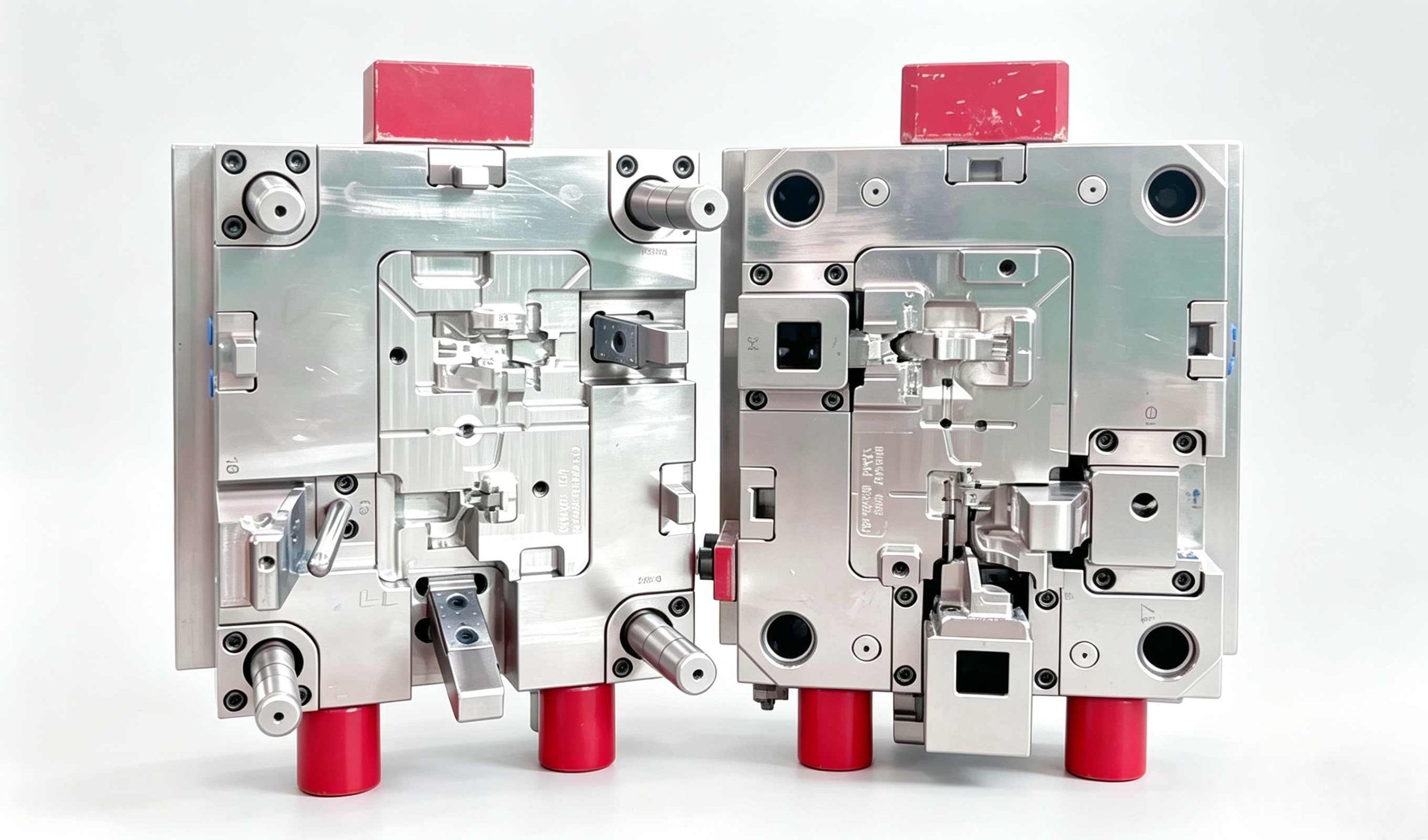
超越波浪:如何消除流痕并保护您的表面涂层
注塑成型中的流痕 | 原因、故障排除和预防方法,提升零件外观质量
说实话,没有什么比流痕更能扼杀生产了。
即使零件尺寸完全符合规格,填充完美,但如果表面布满波浪线或难看的条纹,它最终也难逃被淘汰的命运。在汽车或消费电子等“外观”至关重要的行业,这些如同幽灵般的痕迹是致命的缺陷。
最令人沮丧的是,流痕通常只是外观问题。零件结构完好,但在客户眼中仍然是“次品”。如果您厌倦了眼睁睁看着利润被一堆外观缺陷的废料吞噬,那么您需要确切地了解熔体在模具内流动受阻的原因。
型腔内究竟发生了什么?
从本质上讲,流动痕迹是熔融前沿“犹豫不决”的永久记录。
想象一下熔融前沿接触模具的情景:外层的“表皮”始终与模具的冷钢进行着一场赛跑。如果流动过于缓慢,或者温度不足以支撑,那么前缘就无法顺畅滑行——它会“断断续续”地移动。
当其后较热的树脂最终向前推进时,会在表面留下永久的痕迹。你看到的波浪线或环状图案,本质上就是流动过程中每一寸都难以逾越的视觉记录。
这不仅仅是一个难看的缺陷;它更是确凿的证据,证明你的材料在与模具温度的较量中败下阵来。
根据我们的经验,您几乎总能在几个固定的难点位置发现这些痕迹。
常见流动痕迹位置
大多数情况下,流动痕迹出现在以下位置附近:
浇口区域
薄壁到厚壁的过渡区域
尖角
较长的流动路径
流动方向突然改变的区域
流动痕迹的外观
根据材料和模具结构的不同,缺陷可能呈现以下外观:
波纹线
光晕环
蛇形条纹
光泽差异
阴影痕迹
在光滑或深色零件上,流动痕迹通常更容易被发现。
流动痕迹的成因
注塑机的整个生产过程都依赖于熔体流动和模具冷却之间的微妙平衡。一旦树脂开始拖拽或冷却速度过快,您就会立即在表面光洁度上看到痕迹。
1. 罪魁祸首:注射速度过慢
通常,我们首先要检查的是填充速度。
如果注射速度过慢,就相当于在与时间赛跑。塑料的前端开始停滞并凝固,而其后方温度较高的材料仍在努力向前推进。
这会在流动前沿产生“断续”效应,在零件表面留下明显的波纹痕迹。
这种情况在以下情况下尤为常见:
薄壁零件
大面积平面
长流道模具
解决方案
逐步提高注射速度
采用多级注射控制
保持稳定的填充压力
更快更平稳的填充过程通常可以显著减少可见的流动痕迹。
2. 熔体温度过低
如果材料温度不足,树脂粘度会增加,流动阻力也会增大。熔体在流经型腔时无法保持光滑的表面。
熔体温度过低通常会导致:
流动前沿不均匀
表面出现条纹
光泽度不均匀
解决方案
谨慎提高料筒温度
验证实际熔体温度,而不仅仅是机器设置
遵循树脂供应商推荐的加工温度范围
不同材料对热的反应不同。工程塑料通常比通用树脂需要更严格的温度控制。
3. 模具温度过低
模具表面温度过低会导致熔体接触型腔壁后迅速冻结。表层过早形成,阻碍树脂的顺畅流动。
这个问题常见于冬季生产或冷却平衡不良的模具。
解决方案
提高模具温度
改善型腔各部分之间的温度一致性
必要时使用模具温度控制器
对于外观件,稳定的模具温度通常比循环速度更重要。
4. 浇口设计问题
浇口本质上是模具的“喉部”。
如果浇口太紧或位置不对,树脂就无法顺畅地流入型腔,而是会磕磕绊绊,造成混乱不稳定的流动。更糟糕的是,尺寸过小的浇口就像高压喷嘴一样,会对材料施加过大的剪切应力,留下难看的条纹,破坏表面光洁度。
常见的浇口相关问题
浇口太小
浇口位置不正确
大型零件使用单浇口
浇口后流动突然膨胀
解决方案
尽可能增大浇口尺寸
重新定位浇口以改善流动平衡
大型零件使用多浇口
优化流道布局
合理的浇口设计既保证了填充稳定性,也保证了外观质量。
5. 壁厚变化过快
当熔体从薄壁区域流入厚壁区域时,流速会突然变化。这种过渡会影响表面外观,留下可见的流痕。
壁厚突变还会增加冷却不均匀性。
解决方案
保持壁厚均匀
使用平滑过渡,避免急剧的厚度变化
在流动区域添加合适的半径
良好的零件设计可以在生产开始前减少许多成型缺陷。
6. 模具内部排气不良
型腔内滞留的气体可能会干扰熔体流动。当空气被压缩时,塑料前沿可能会犹豫或略微改变方向,从而留下表面缺陷。
虽然排气问题通常与烧痕有关,但也会导致流痕。
解决方案
清理堵塞的排气孔
在需要的地方增加排气孔
改善填充末端附近的排气
良好的排气有助于材料在整个型腔内更顺畅地流动。
7. 材料水分或树脂问题
某些工程塑料会迅速吸收空气中的水分。潮湿的材料会在注塑过程中造成熔体行为不稳定,从而影响表面质量。
再生料比例不一致或树脂受到污染也会增加流动缺陷。
解决方案
正确干燥吸湿性材料
监控水分含量
保持材料批次的一致性
降低搬运过程中的污染风险
稳定的材料质量是获得稳定成型效果的关键。
如何高效排除流动痕迹
当出现流动痕迹时,避免同时更改多个参数。随意调整通常会使故障排除更加困难。
更好的方法是逐步检查工艺流程:
确认熔体温度
验证模具温度平衡
逐步提高注射速度
检查浇口和流道状况
检查排气区域
审查壁厚设计
评估树脂状况
以往稳定生产运行的工艺记录也有助于更快地发现问题。
如何在模具设计中预防流动痕迹
预防永远比补救更经济。许多流痕问题始于零件设计或模具开发阶段。
推荐设计实践
使用平衡流道系统
保持壁厚均匀
避免过长的流道长度
设计合适的排气位置
尽早优化浇口位置
在模流分析中考虑外观要求
当外观至关重要时,您必须防患于未然。尽早进行模流模拟并非奢侈之举,而是在切割钢材之前发现这些表面问题的最佳方法。
相信我,在屏幕上调整设计总是比焊接和重新加工已经成型的硬化模具要便宜得多。
现实情况:不要仅仅满足于表面划痕
人们很容易将流痕视为“外观问题”,但这很危险。这些波浪状纹路通常是工艺流程根本性失调的铁证。
无论是温度不匹配还是浇口过紧,放任这些“幽灵”困扰你的零件,都会导致大量废品,利润大幅缩水。
事实上,你永远不可能仅仅通过随意调整冲压机上的一个旋钮来解决表面问题。真正的质量要么全有要么全无——你需要模具设计、填充平衡和温度控制完美配合。
停止猜测,找出真正的根本原因,彻底告别“救火式”的疲于奔命。
这才是重回稳定盈利生产的正确之道。
阅读更多
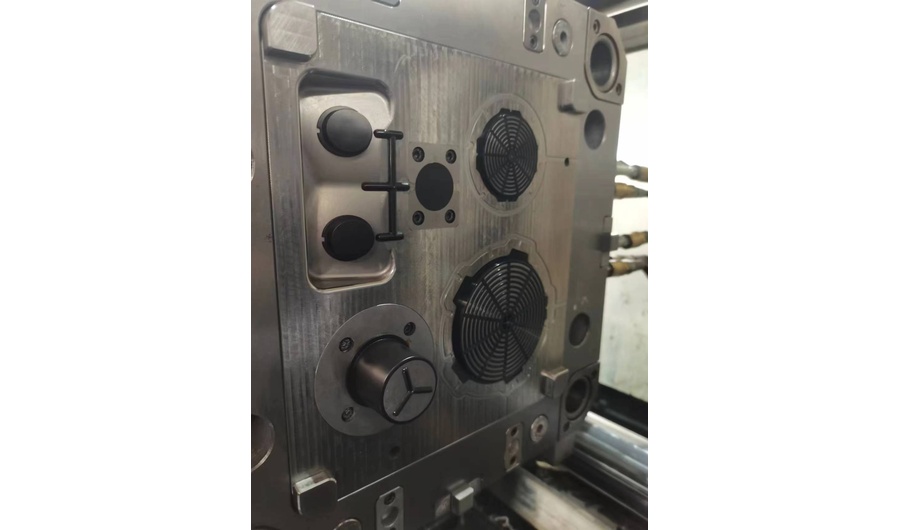
注塑模具短射故障排除指南
引言
短射是大多数工厂最终都会遇到的注塑问题之一,尤其是在生产薄壁塑料零件或长流道组件时。有时,注塑过程看起来完全正常,但从模具中出来的零件却并未完全成型。您可能会看到缺边、特征不完整,或者塑料无法到达型腔末端的区域。这种缺陷通常意味着熔融材料在充满整个模具之前就失去了流动性。随着塑料冷却,它会在型腔内开始冻结,阻碍剩余部分的填充。成品零件往往由于外观缺陷、尺寸误差或装配配合不良而无法通过质量检验。
在某些生产批次中,短射只是偶尔出现。而在另一些批次中,它会成为反复出现的缺陷,造成持续的废料,并扰乱稳定的生产。无论哪种情况,短射都会影响注塑稳定性,造成原材料浪费,并降低整体生产效率。
短射故障排除的难点在于,该问题并非总是由单一因素引起的。根本原因可能与模具结构、浇口设计、排气、材料流动特性、机器性能或加工条件有关。问题可能源于排气不良、加工参数不当、模具结构限制、材料流动特性或机器性能不足。
本文将探讨模具短射最常见的原因,以及注塑工人在车间实际应用的故障排除方法。
什么是模具短射?
模具短射是指注塑过程中注入的塑料未能完全填充模腔。
未填充区域可能表现为:
缺少拐角
未完成的加强筋或凸台
未填充的薄壁部分
边缘圆滑或未完成
流动停滞痕迹
部分成型的几何形状
在严重的情况下,产品甚至可能完全缺失。
短射现象在以下情况下尤为常见:
薄壁注塑成型
大面积零件
长流道设计
多腔模具
工程树脂应用
排气系统不良的零件
这种缺陷通常是由于熔体前沿在型腔完全填充之前失去压力、温度或流动动量而造成的。
导致模具短射的 7 个最常见原因
1. 注射压力不足
这是技术人员首先要检查的问题之一。如果注射压力过低,熔体就无法克服流道系统和型腔内的阻力。塑料在到达填充末端之前就会减速。
典型迹象包括:
持续的填充不足
流道末端缺少特征
薄壁区域出现短射
压力增加时零件暂时改善
导致有效压力低的常见原因:
注射压力设置过低
流道过长导致压力损失
浇口阻力过大
喷嘴直径过小
流动阻力过大
解决方案:
逐步提高注射压力
优化浇口尺寸
减少不必要的流动阻力
验证机器压力能力
检查喷嘴或流道是否部分堵塞
2. 熔体温度过低
熔融塑料的流动行为受温度影响很大。当熔体温度不够高时,材料会变得更粘稠,更难在流道系统和型腔内流动。随着塑料向前流动,它可能冷却过快,并在型腔完全充满之前就开始固化。
工程材料,例如聚碳酸酯 (PC)、尼龙和阻燃树脂,通常对加工温度变化更为敏感,如果熔体温度不稳定或设置过低,则更容易出现填充问题。常见症状:
流道外观暗淡
出现停顿痕迹
长流道区域出现短射
需要更高的注射压力
解决方案:
谨慎地提高料筒各区域的温度
验证实际熔体温度,而不仅仅是机器设置
提高螺杆回弹的一致性
减少浇口附近的过度冷却
避免模具温度过低
3. 模具排气不良
许多短射问题实际上是空气问题。当熔融塑料进入型腔时,滞留的空气必须迅速排出。如果排气不足,压缩空气会对进入的熔体前沿产生阻力。在某些情况下,滞留的气体压力会大到足以完全停止填充。
排气不良通常会导致:
填充末端附近出现烧痕
随机出现短射
填充效果不稳定
气穴
光泽度不均
常见排气不足区域:
深肋
薄壁部分
填充末端区域
滑块关闭处
嵌件周围
解决方案:
适当增加或加深排气孔
改善分型线排气
必要时使用排气销
清理堵塞的排气通道
减少模具设计中可能存在的气穴
良好的排气是注塑成型稳定性中最容易被低估的因素之一。
模具短射故障排除
在诊断短射问题时,经验丰富的注塑工通常会遵循一定的逻辑顺序,而不是随意更改设置。
步骤 1:检查物料供应
首先确认:
料斗进料是否正常
料斗内无架桥现象
树脂干燥是否正常
物料装载是否正确
无污染
有时,“短射”仅仅是由于物料供应不稳定造成的。
步骤 2:检查填充率
通过逐步降低填充率,直到流动模式清晰可见,来进行短射试验。这有助于识别:
流动停滞区
气穴
压力损失区
熔接线形成
浇口平衡问题
受控的短射试验通常比反复试验的调整方法更有效。
步骤 3:分析浇口和流道设计
浇口尺寸过小是常见的隐患。如果浇口过早冻结,型腔会在完全填充前失去保压压力。
检查项目:
浇口尺寸
浇口位置
流道直径
流道平衡
流动长度与厚度比
步骤 4:评估机器能力
有时,工艺要求会超出机器的承受能力。
检查项目:
最大注射压力
注射速度能力
注射量利用率
螺杆直径适用性
缓冲稳定性
接近最大产能运行的机器通常难以实现稳定的填充性能。
步骤 5:检查模具温度分布
冷却不均匀会导致型腔在完全填充前出现局部冻结。
注意以下区域:
薄壁区域
长流动路径
远离浇口的区域
冷却管路不平衡
镶件附近的冷点
热成像有时可以发现模具内部隐藏的温度不平衡。
零件设计如何导致短射
并非所有短射都是工艺问题。有时,产品几何形状本身会造成无法实现的流动条件。常见的模具设计问题包括:
壁厚过薄
流道过长
厚度突变
尖角
浇口位置不佳
最易发生短射问题的材料
高风险材料包括:
聚碳酸酯 (PC)
尼龙 (PA)
聚对苯二甲酸乙二醇酯 (PPS)
液晶聚合物 (LCP)
阻燃化合物
玻璃纤维增强材料
这些材料通常需要:
更高的熔体温度
更快的注射速度
更好的排气设计
优化的浇口设计
精确的模具温度控制
生产前预防模具短射
在模具设计过程中,工程师应评估:
流道长度与厚度之比
浇口位置
排气策略
流道平衡
冷却效率
材料流动特性
模流分析有助于及早预测填充问题,尤其适用于复杂或薄壁零件。
车间实用技巧
经验丰富的技师通常会采用以下方法:
提高注射速度后再提高压力
对于薄壁零件,略微提高模具温度
密切监控缓冲料的稠度
维护期间检查排气口的清洁度
避免过高的再生料比例
使用熔体温度探针确认实际熔体温度
减少流道内不必要的流动阻力
结论
模具短射很少是随机缺陷。它通常表明成型系统内部存在流动阻力、压力损失、空气滞留或材料过早冻结等问题。
真正的挑战在于确定阻力的来源。
在某些情况下,提高注射速度足以解决问题。但对于更复杂的情况,可能需要调整浇口尺寸、改善模具排气、改变零件壁厚,或检查机器的注射能力是否足以满足应用需求。
注塑成型中有效的故障排除并非随意更改设置,而是要了解熔体流动、型腔压力、材料温度和冷却行为在填充过程中如何相互作用。一旦你了解了这种关系,短传就更容易预测和预防。
阅读更多
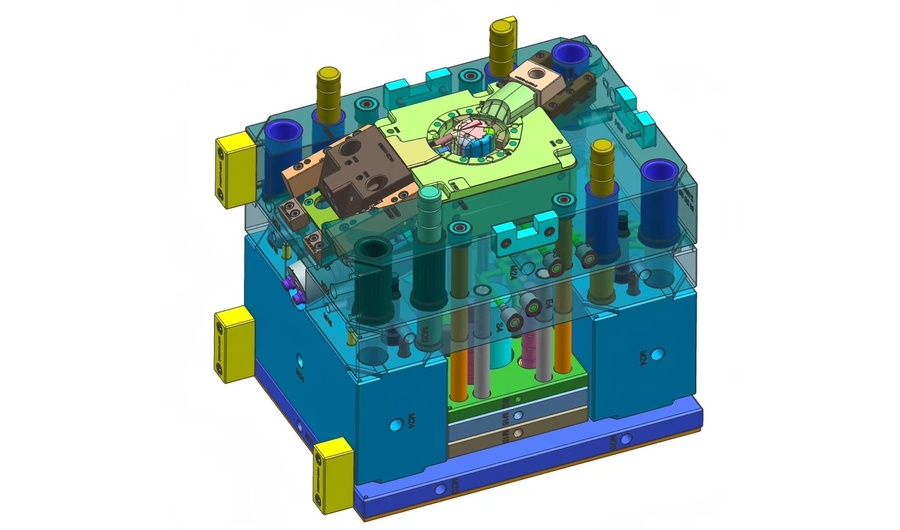
循环的引擎:模具冷却设计实用指南
引言
说实话,冷却不仅仅是注塑成型周期中的一个“阶段”,它本身就是整个周期。它通常会占用注塑机总运行时间的 60% 到 80%。
如果你的冷却系统只是事后才考虑的,那么每次开模时,你实际上都在白白损失利润。一个设计精良的冷却系统,决定了你是能高效生产,还是只能制造出变形、不合格零件的“废品制造机”。
为什么冷却是模具的“心脏”
模具需要“呼吸”——就这么简单。你是将 250°C 的液体注入模具,并期望它几乎瞬间就能变成坚硬的零件。
但如果冷却系统没有达到完美的平衡,你将会面临很多麻烦。一侧冻结,另一侧拉伸,突然间,你的精密零件就像薯片一样卷曲起来。
如果你追求尺寸稳定性,就不能仅仅“寄希望于”均匀冷却;你必须将其融入模具的基础设计中。
通过优化“热点”来缩短冷却周期的每一秒,都直接为模具的使用寿命注入利润。
布局策略:不要只是钻孔
目标简单却棘手:在不损害钢材结构完整性的前提下,尽可能让冷却水靠近型腔。
“黄金法则”
我们通常尽量使冷却管的中心距离型腔表面 1.5 到 2 个直径。
距离太远,热量会滞留;距离太近,在注塑压力下,可能会发生灾难性的“爆裂”。
轮廓至关重要
对于平面部件,基本的网格冷却就足够了。但对于复杂的 3D 形状,冷却管路需要与零件的几何形状相匹配。
如果零件很复杂,不妨考虑一下随形冷却(3D 打印嵌件)。
诚然,随形冷却的前期成本较高,但它是消除传统钻头无法触及的“顽固”热点的唯一真正方法。
关键在于在瓶颈侵蚀利润之前将其消除。
流速
不要只是打开水龙头就以为工具在冷却。
这不仅仅关乎流量,还关乎湍流。雷诺数需要超过 4000 才能真正有效地去除钢材表面的热量。
如果冷却液只是在管路中“懒洋洋地流动”,那就无法发挥作用——你基本上只是在循环温水,同时循环时间也会受到影响。
进入“死区”
深芯和狭窄的凹槽是冷却的噩梦,因为你无法直接在上面钻一个直孔。你必须在管道布置上发挥创意:
鼓泡器
对于那些标准钻头无法使用的又深又窄的芯,我们依靠鼓泡器。
你只需将一根管子插入一个盲孔,将水直接喷向顶端的“热点”。
冷却液冲击顶部,然后沿着管子外侧翻滚下来。这是防止那些狭窄的管道变成热阱,导致塑料过热并破坏整个循环的唯一真正方法。
挡板
接下来是挡板。这些本质上是金属隔板,可以安装在冷却管路中,防止冷却水“走捷径”。
通过迫使冷却液在弯曲的挡板周围蜿蜒翻滚,可以最大限度地增加冷却液与高温钢材的接触面积。
关键在于确保冷却水在流出模具之前,有足够的时间“擦洗”模具表面的热量。
来自底层的残酷真相
如果这些挡板无法取出进行清洁,那就麻烦了。
随着时间的推移,矿物质垢和污垢会在这些管道内形成钙化。
如果您在设计时没有考虑到易于维护,您会发现随着模具的“纹路”逐渐堵塞,您的生产周期会逐月缓慢增加。
不要等到完全堵塞才意识到应该让模具更容易清洁。
优化:停止猜测
不要等到模具装上压机才发现它过热。
先进行模拟
在切割钢材之前,使用模流分析来查找“热点”。
移动冷却管线比焊接和重新钻孔硬化型腔要便宜得多。
关注“温差”
在生产过程中,监控进出口之间的温差。
如果温度波动超过 3°C 到 5°C,说明您的回路不平衡。
模具的一侧过载运行,而另一侧则处于空闲状态。
水质是模具问题
管路内水垢的积聚就像模具的高血压。
使用处理过的水可以防止藻类和矿物质沉积。
如果管路堵塞,热传递效率会急剧下降。
结论
冷却系统是决定生产周期的“引擎”。
如果把它当作次要的管道工程来对待,您将付出代价。在长时间循环和加工变形零件时,散热至关重要。
将其视为精密设计的散热系统,您将拥有一台运行速度快、稳定性好且能为您带来收益的工具。
实用建议
在 CAD 设计阶段就重视散热设计。
在 20 秒的循环中缩短 2 秒听起来似乎微不足道,但经过一百万次的加工,您就节省了 550 小时的机器运行时间,从而提高了利润。
阅读更多