Low-Volume Injection Molding: On-Demand Production & Fast Tooling
23rd October 2026

 Autor
Autor
Wenn Sie in eine herkömmliche Spritzgusswerkstatt gehen und nach einer Bakelit- (Phenol-)Form fragen, werden die meisten Sie ablehnen. Warum? Weil Bakelit ein Duroplast ist und daher völlig anderen Gesetzmäßigkeiten unterliegt als herkömmliches ABS oder Polycarbonat.
Bei Xinkey beherrschen wir diese „schwarze Kunst“ seit über zwei Jahrzehnten und unterstützen Marken wie TeFaL mit hitzebeständigen Komponenten, die niemals schmelzen. Hier erfahren Sie, was das Formen von Bakelit so schwierig macht – und wie wir das Problem lösen.
Bei herkömmlichem Kunststoff geht es darum, ihn zu schmelzen, zu beschießen und abkühlen zu lassen. Bakelit hingegen ist eher mit dem Backen eines Kuchens vergleichbar. Man muss die Form erhitzen, um eine chemische Reaktion (Aushärtung) auszulösen.
Weicht die Formtemperatur nur um wenige Grad ab, wird das Teil entweder „nicht durchgebacken“ (spröde) oder „zu stark gebacken“ (verbrannt). Wir integrieren spezielle, hocheffiziente Heizpatronen in unsere 3D-Konstruktionen, um ein absolut gleichmäßiges Temperaturprofil im gesamten Formhohlraum zu gewährleisten.
Beim Aushärten von Bakelit entsteht viel Gas. Wenn dieses Gas eingeschlossen wird, entstehen Lufteinschlüsse oder Brandflecken auf der Oberfläche. Die meisten Betriebe scheitern an diesem Punkt, weil sie nur Standardentlüftungen verwenden.
Bei Xinkey entwickeln unsere Designer „aggressive Entlüftungskanäle“. Dabei handelt es sich um mikroskopisch kleine Spalten (manchmal nur 0,01 mm), die breit genug sind, damit Gase entweichen können, aber schmal genug, um ein Überschlagen (austretendes Plastik) zu verhindern. Dieser minimale Spielraum für Fehler erfordert 25 Jahre Erfahrung, um ihn optimal zu nutzen.
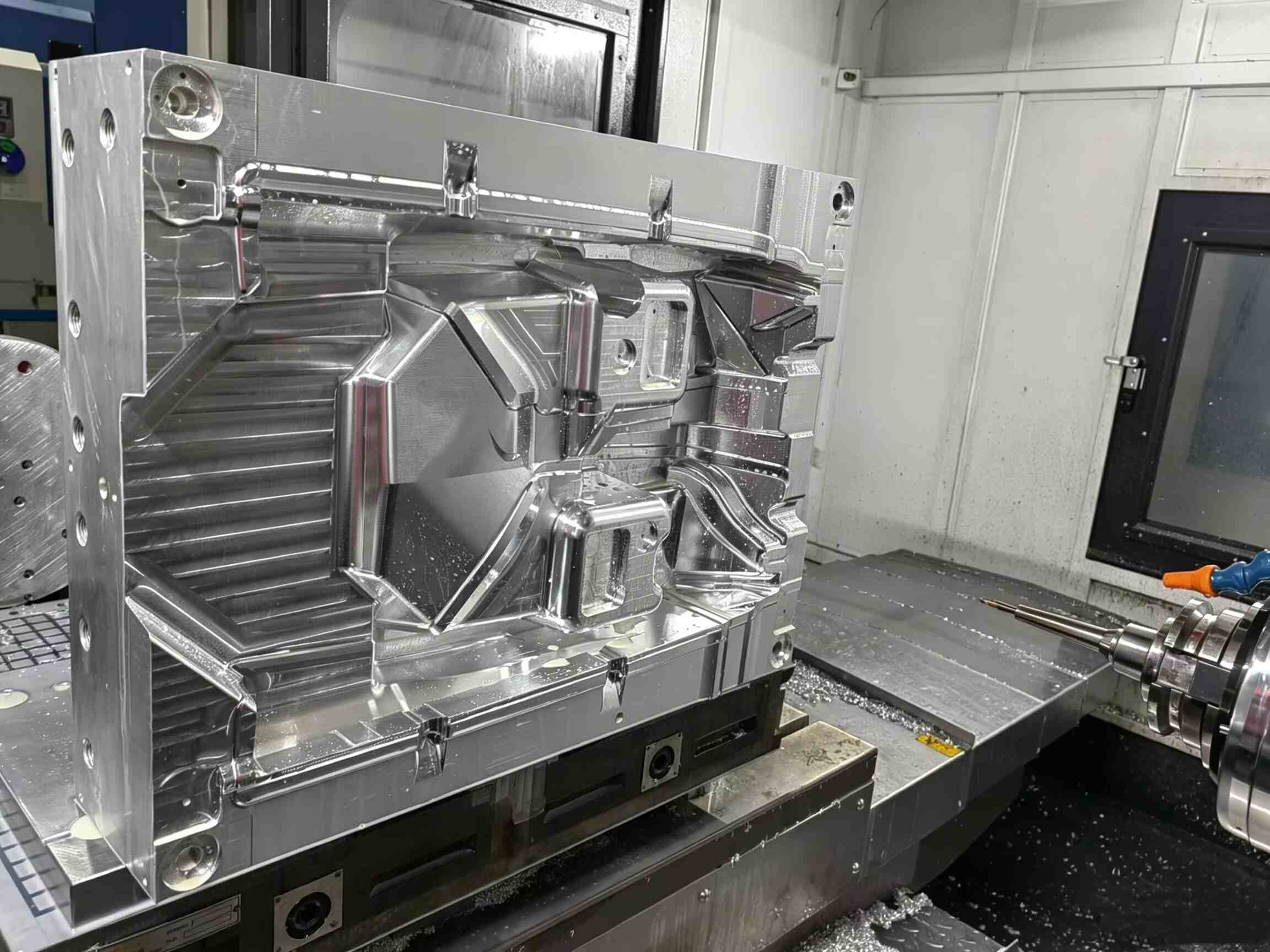
Bakelit ist abrasiv. Es frisst sich durch weichen Stahl wie Schleifpapier. Deshalb verwenden wir für diese Projekte niemals P20 oder billige Stähle. Wir verwenden ausschließlich gehärteten H13- oder S136-Stahl, oft mit Spezialbeschichtungen, um sicherzustellen, dass die Form über 500.000 Schüsse aushält, ohne dass die Kanten abrunden.
Überlassen Sie Ihre Hochtemperaturprojekte nicht einer Werkstatt, die meint, sie könne das. Vertrauen Sie einem Team, das sich seit 25 Jahren mit Duroplast-Technik beschäftigt.
Verwandte Beiträge



Kontaktieren Sie uns