Low-Volume Injection Molding: On-Demand Production & Fast Tooling
23rd October 2026

 autore
Se entrate in un'officina di stampaggio a iniezione standard e chiedete uno stampo in bachelite (fenolica), la maggior parte vi rifiuterà. Perché? Perché la bachelite è un materiale "termoindurente", che segue regole completamente diverse rispetto al ABS o al policarbonato standard.
Noi di Xinkey perfezioniamo quest'"arte oscura" da oltre vent'anni, supportando marchi come TeFaL con componenti resistenti al calore che non si fondono mai. Ecco cosa rende così difficile lo stampaggio della bachelite e come lo risolviamo.
La lavorazione della plastica standard prevede la fusione, la spruzzatura e il successivo raffreddamento. La bachelite, invece, è più simile alla preparazione di una torta: è necessario riscaldare lo stampo per innescare una reazione chimica (indurimento).
Se la temperatura dello stampo non è corretta anche solo di pochi gradi, il pezzo risulterà "poco cotto" (fragile) o "troppo cotto" (bruciato). Integriamo speciali cartucce riscaldanti ad alta efficienza nei nostri progetti 3D per garantire un profilo termico perfettamente uniforme in tutta la cavità.
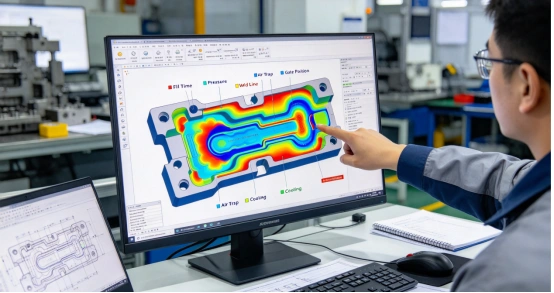
Quando la bachelite si indurisce, rilascia una grande quantità di gas. Se questo gas rimane intrappolato, si formano delle "bolle" o delle bruciature sulla superficie. La maggior parte delle officine commette questo errore perché utilizza sistemi di ventilazione standard.
In Xinkey, i nostri progettisti realizzano canali di ventilazione "aggressivi". Si tratta di fessure microscopiche (a volte di soli 0,01 mm) sufficientemente ampie da consentire la fuoriuscita dei gas, ma abbastanza strette da impedire la "fumulazione" (perdita di plastica). Il margine di errore è minimo e richiede 25 anni di esperienza per essere perfezionato.
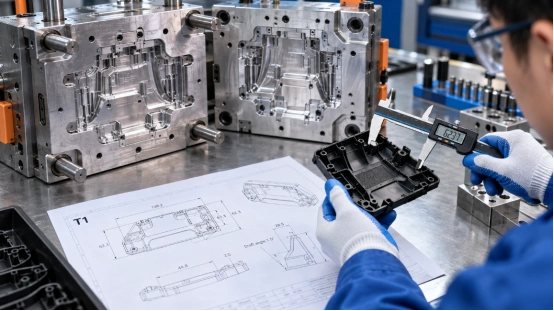
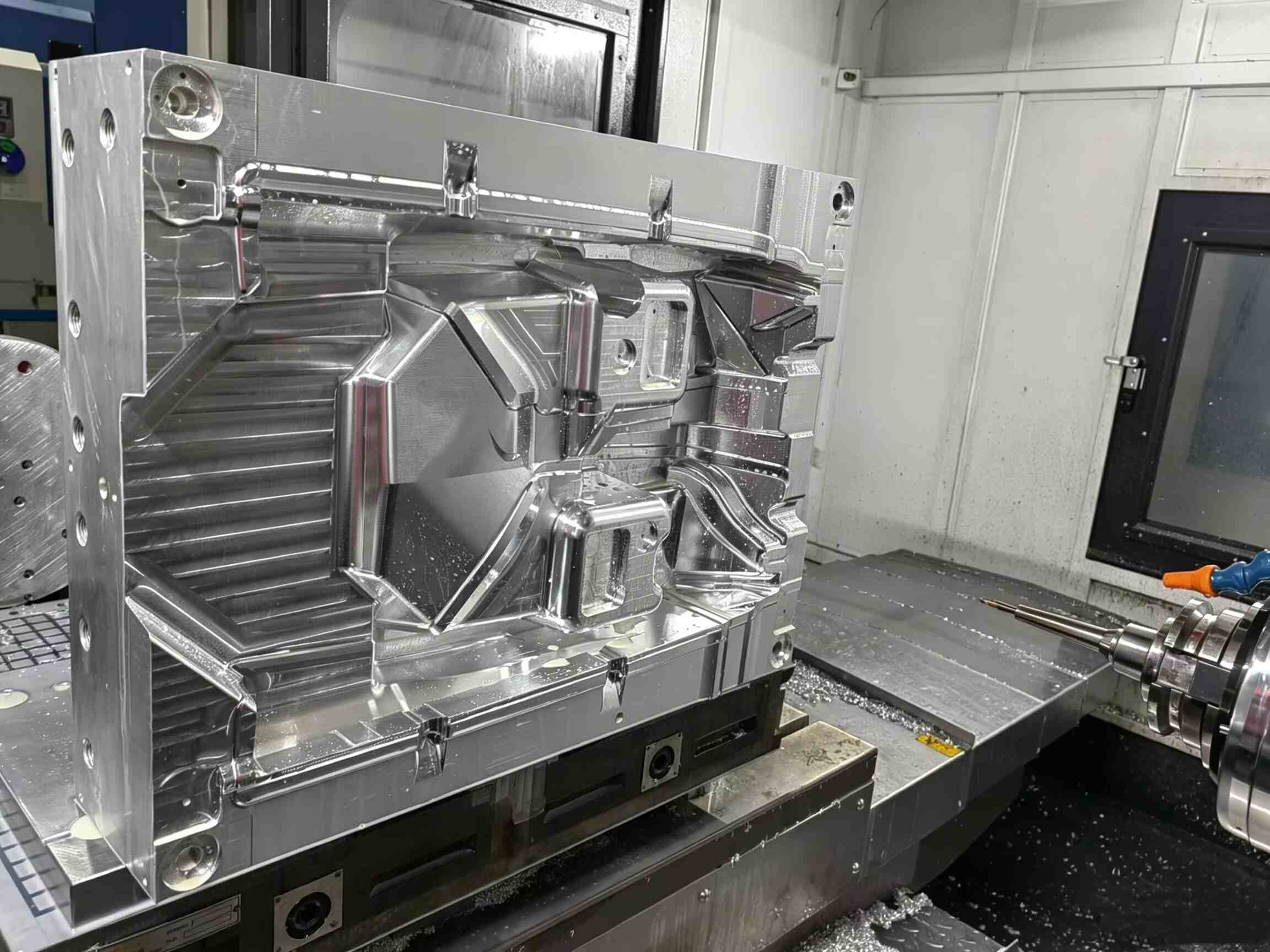
La bachelite è abrasiva. Corrode l'acciaio dolce come la carta vetrata. Per questo motivo non utilizziamo mai acciai P20 o acciai economici per questi progetti. Utilizziamo esclusivamente acciaio temprato H13 o S136, spesso con rivestimenti speciali, per garantire che lo stampo possa sopportare oltre 500.000 stampate senza che i bordi si arrotondino.
Non affidate i vostri progetti ad alta temperatura a un'officina che "pensa di potercela fare". Affidatevi a un team che da 25 anni si dedica con passione all'ingegneria dei materiali termoindurenti.
Articoli correlati



Contattaci