Low-Volume Injection Molding: On-Demand Production & Fast Tooling
23rd October 2026

 autor
autor
Si acude a un taller de inyección convencional y solicita un molde de baquelita (fenólica), la mayoría se negará. ¿Por qué? Porque la baquelita es un material termoestable y se rige por reglas completamente diferentes a las del ABS o el policarbonato estándar.
En Xinkey, llevamos más de dos décadas perfeccionando este «arte oscuro», ofreciendo a marcas como TeFaL componentes resistentes al calor que nunca se derriten. A continuación, te explicamos por qué el moldeo de baquelita es tan complejo y cómo lo solucionamos.
El proceso estándar con plástico consiste en fundirlo, inyectarlo y enfriarlo. Con la baquelita, en cambio, se trabaja más como hornear un pastel. Hay que calentar el molde para desencadenar una reacción química (curado).
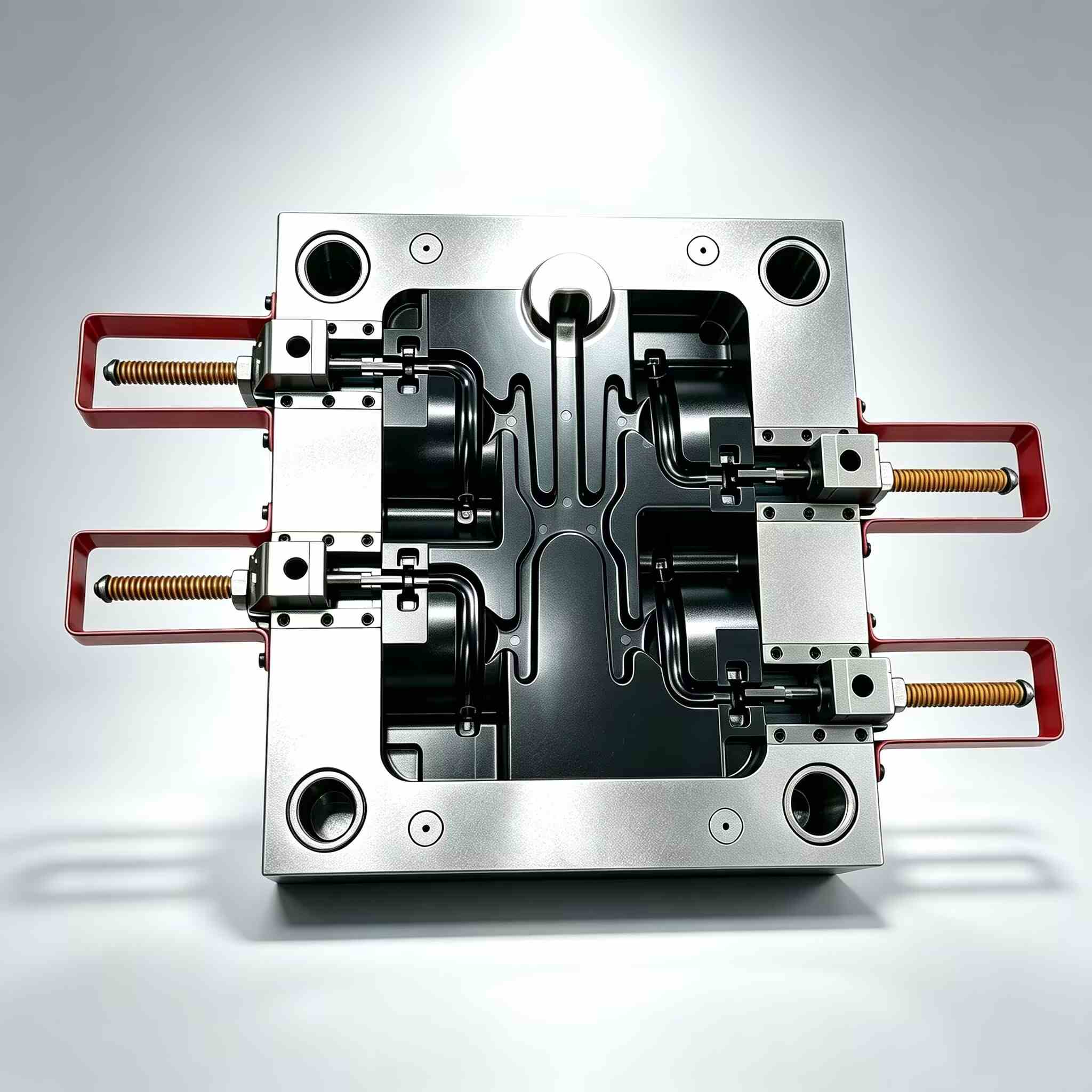
Si la temperatura del molde varía tan solo unos grados, la pieza quedará "poco cocida" (quebradiza) o "sobrecalentada" (quemada). Integramos cartuchos calefactores especializados de alta eficiencia en nuestros diseños 3D para garantizar una distribución térmica perfectamente uniforme en toda la cavidad.
Cuando la baquelita se cura, libera mucho gas. Si ese gas queda atrapado, se forman "huecos" o marcas de quemaduras en la superficie. La mayoría de los talleres fallan en este aspecto porque utilizan ventilación estándar.
En Xinkey, nuestros diseñadores crean canales de ventilación agresivos. Se trata de aberturas microscópicas (a veces de tan solo 0,01 mm) lo suficientemente anchas para que escape el gas, pero lo suficientemente estrechas para evitar fugas de plástico. El margen de error es mínimo y requiere 25 años de experiencia para lograr la precisión necesaria.
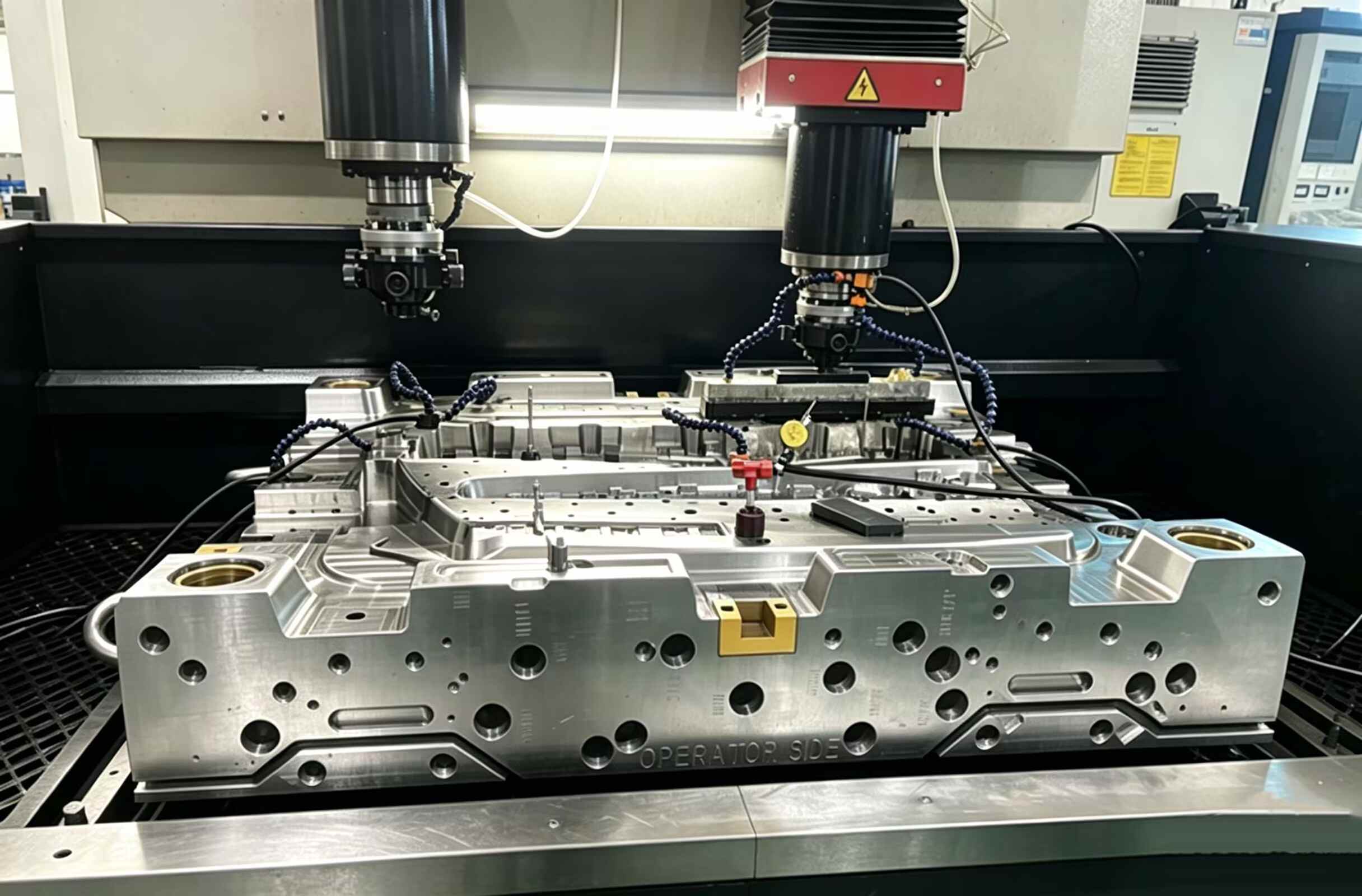
La baquelita es abrasiva. Desgasta el acero blando como el papel de lija. Por eso, nunca usamos acero P20 ni aceros baratos para estos proyectos. Utilizamos exclusivamente acero endurecido H13 o S136, a menudo con recubrimientos especiales, para garantizar que el molde pueda soportar más de 500 000 inyecciones sin que se redondeen los bordes.
No confíes tus proyectos de alta temperatura a un taller que "cree que puede hacerlo". Confía en un equipo que lleva 25 años dedicado a la ingeniería de termoplásticos.
Publicaciones relacionadas



Contacta con nosotros