Low-Volume Injection Molding: On-Demand Production & Fast Tooling
23rd October 2026

 autor
autor
Se você entrar em uma oficina de injeção comum e pedir um molde de baquelite (fenólica), a maioria recusará. Por quê? Porque a baquelite é um material "termofixo", que se comporta de maneira completamente diferente do ABS ou do policarbonato padrão.
Na Xinkey, aperfeiçoamos essa "arte obscura" há mais de duas décadas, fornecendo componentes resistentes ao calor que nunca derretem para marcas como a Tefal. Veja o que torna a moldagem de baquelite tão difícil — e como resolvemos esse problema.
O processo de moldagem do plástico comum envolve derretê-lo, moldá-lo e deixá-lo esfriar. Já a baquelite é mais parecida com assar um bolo. É preciso aquecer o molde para desencadear uma reação química (cura).
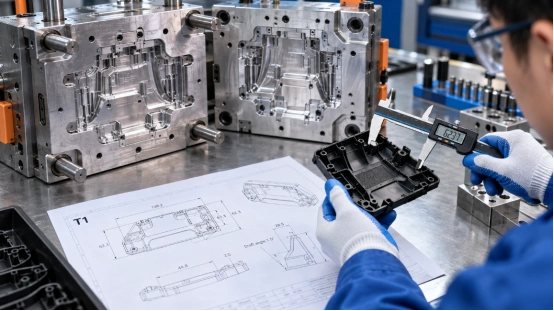
Se a temperatura do molde estiver com uma diferença de apenas alguns graus, a peça ficará "mal cozida" (quebradiça) ou "superaquecida" (queimada). Integramos cartuchos de aquecimento especializados de alta eficiência em nossos projetos 3D para garantir que o perfil térmico seja perfeitamente uniforme em toda a cavidade.
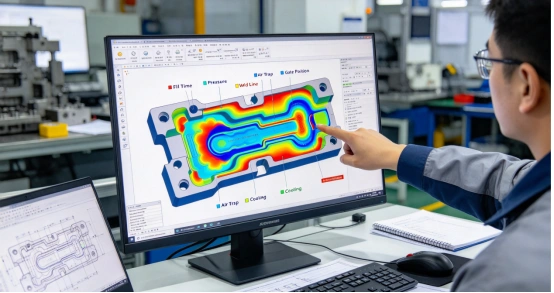
Quando a baquelite cura, libera muito gás. Se esse gás ficar preso, formam-se "vazios" ou marcas de queimadura na superfície. A maioria das oficinas falha nesse ponto porque utiliza ventilação padrão.
Na Xinkey, nossos projetistas desenvolvem canais de "ventilação agressivos". Trata-se de aberturas microscópicas (às vezes de apenas 0,01 mm) largas o suficiente para permitir a saída de gases, mas estreitas o bastante para evitar "vazamento de plástico". É uma margem de erro extremamente pequena que exige 25 anos de experiência para ser alcançada com perfeição.
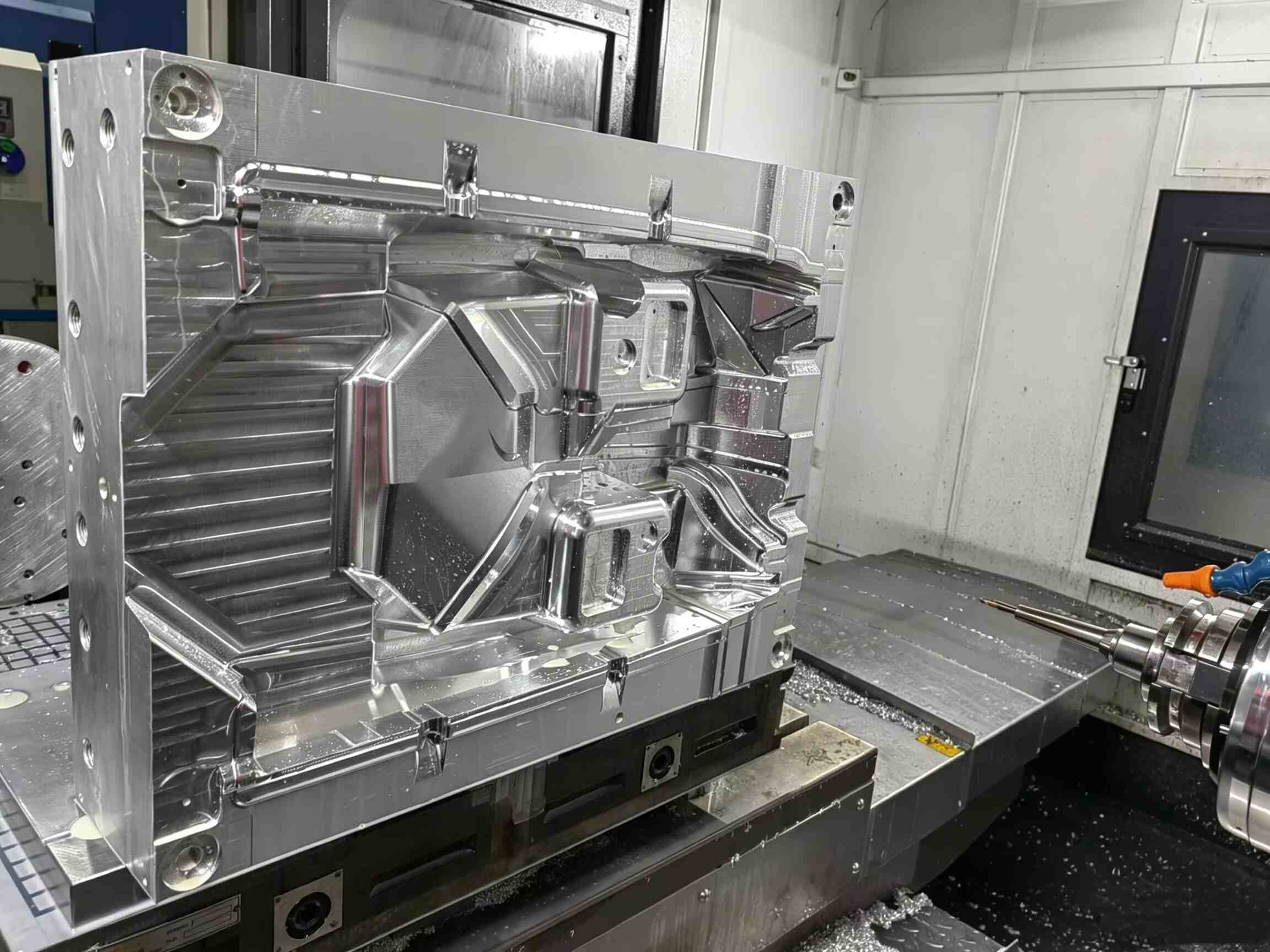
A baquelite é abrasiva. Ela corrói o aço macio como uma lixa. É por isso que nunca usamos aço P20 ou aços baratos nesses projetos. Usamos exclusivamente aço temperado H13 ou S136, frequentemente com revestimentos especiais, para garantir que o molde suporte mais de 500.000 ciclos sem que as bordas se desgastem.
Não confie seus projetos de alta temperatura a uma oficina que "acha que consegue fazer". Confie em uma equipe que vive e respira engenharia de termofixos há 25 anos.
Postos relacionados



Contacte-nos