Low-Volume Injection Molding: On-Demand Production & Fast Tooling
23rd October 2026

 author
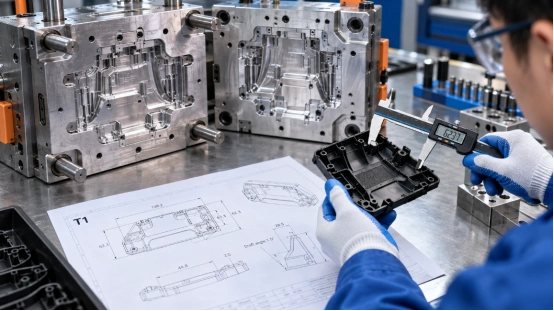
If you walk into a standard injection shop and ask for a Bakelite (Phenolic) mold, most will turn you down. Why? Because Bakelite is a “Thermoset” material, it plays by a completely different set of rules than standard ABS or PC.
At Xinkey, we’ve been mastering this “Black Art” for over two decades, supporting brands like TeFaL with heat-resistant components that never melt. Here is what makes Bakelite molding so difficult—and how we solve it.
Standard plastic is about melting it, shooting it, and cooling it down. Bakelite is more like baking a cake. You have to heat the mold to trigger a chemical reaction (curing).
If your mold temperature is off by just a few degrees, the part will be “under-cooked” (brittle) or “over-baked” (burnt). We integrate specialized high-efficiency heating cartridges into our 3D designs to ensure the thermal profile is perfectly uniform across the entire cavity.
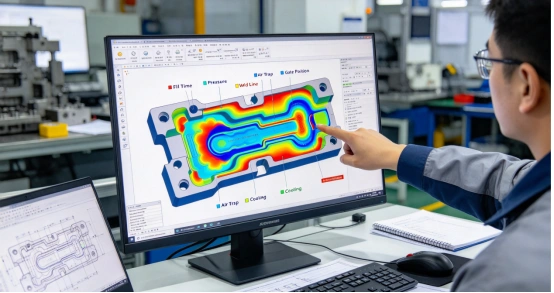
When Bakelite cures, it releases a lot of gas. If that gas gets trapped, you get “voids” or burn marks on the surface. Most shops fail here because they use standard venting.
At Xinkey, our designers engineer “aggressive venting” channels. These are microscopic gaps (sometimes just 0.01mm) that are wide enough for gas to escape but narrow enough to prevent “flash” (leaked plastic). It’s a razor-thin margin for error that requires 25 years of experience to get right.
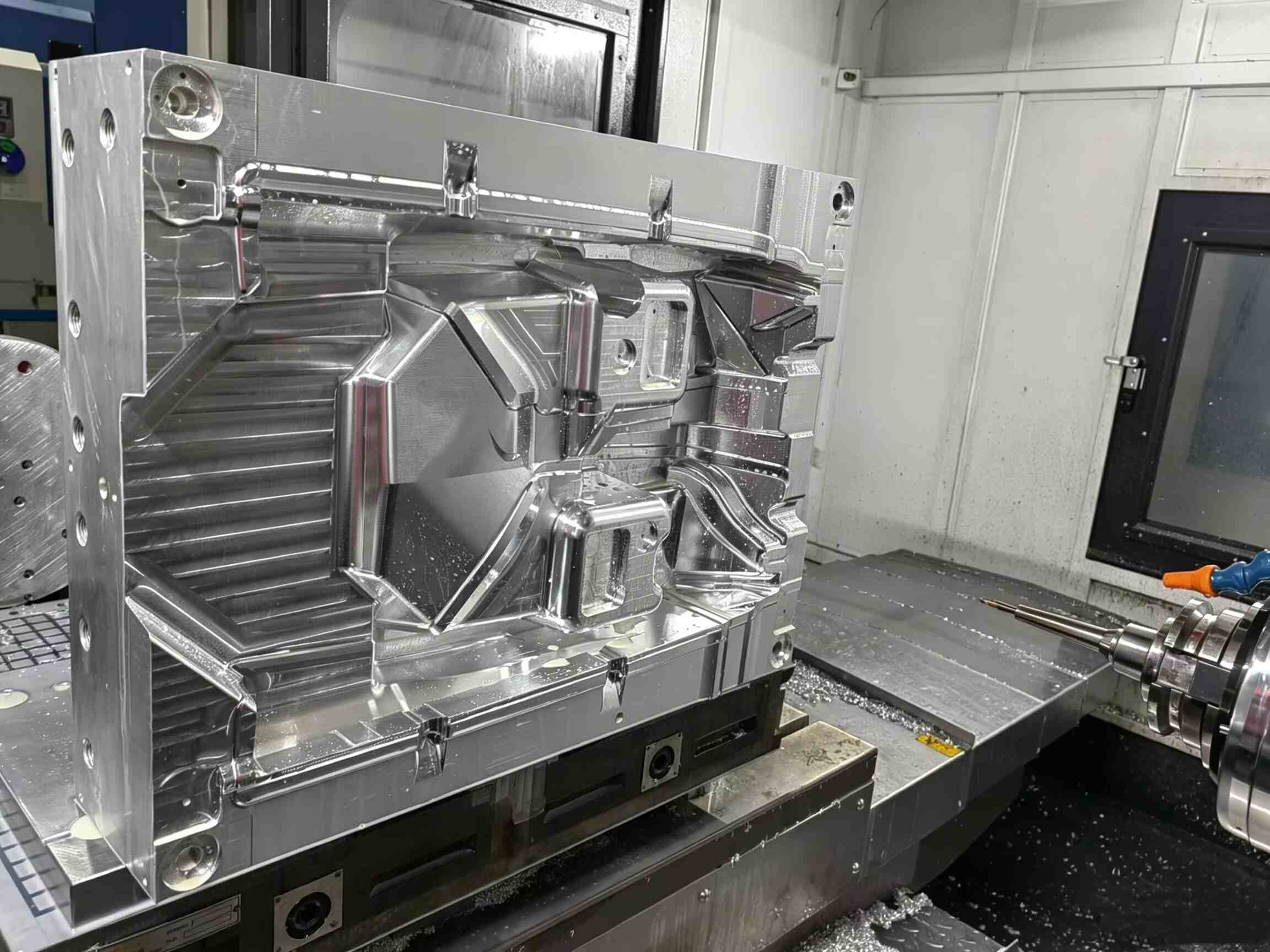
Bakelite is abrasive. It eats through soft steel like sandpaper. This is why we never use P20 or cheap steels for these projects. We exclusively use hardened H13 or S136 steel, often with specialized coatings, to ensure the mold can handle 500,000+ shots without the edges rounding off.
Don’t trust your high-heat projects to a shop that “thinks they can do it.” Trust a team that has lived and breathed thermoset engineering for 25 years.
Related Posts



Contact Us