Mastering the Art of Precision: 10 Critical Pillars of High-Performance Injection Molds
Introduction
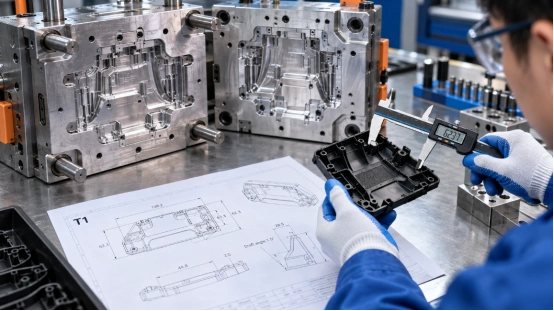
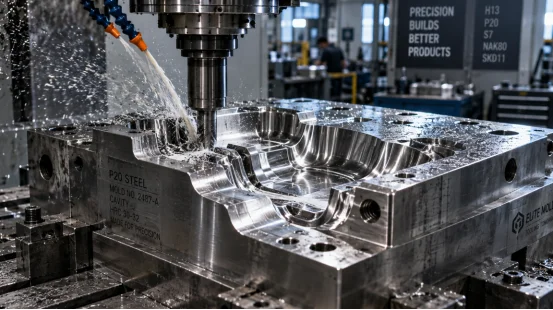
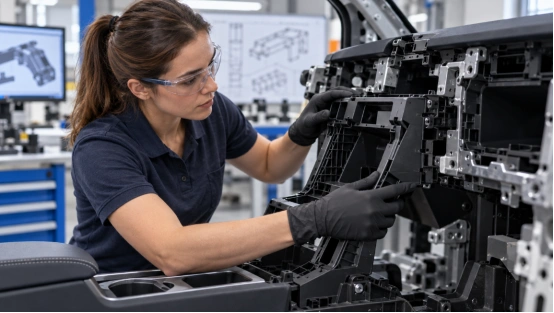
In the world of injection molding, a mold is far more than just a piece of steel. It is the heart of production. A poorly designed mold leads to endless downtime, high scrap rates, and wasted costs. At XinkeyMould, we believe that excellence is found in the details. Today, we’re taking you behind the scenes to explore the “Matrix of Excellence” that defines a high-quality mold.
1. The Foundation: Mold Flow & Steel Selection
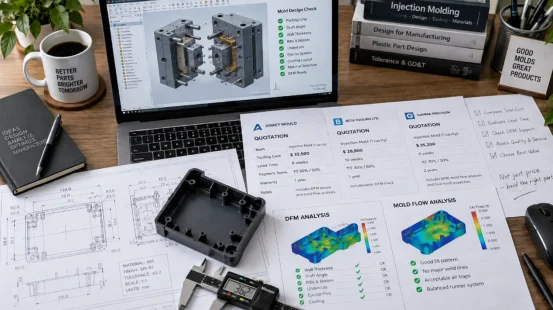
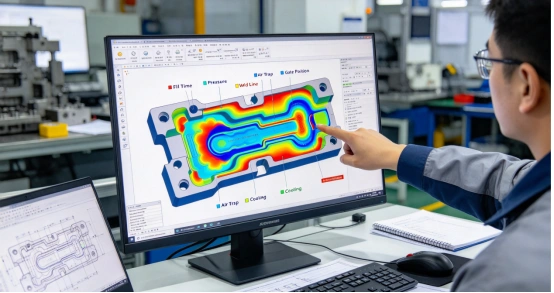
Success begins before the first cut is made. We use advanced Mold Flow analysis to predict potential issues like warping or air traps. Combined with the right Mold Steel, we ensure that your mold isn’t just precise, but durable enough for millions of cycles.
2. Precision in Motion: Sliders, Lifters, and Ejection
https://youtu.be/hqnWm2AldiU
Complex geometries require flawless movement. Our engineering team specializes in optimized Slider and Lifter designs to handle undercuts with zero friction issues. Combined with a balanced Ejection system, we ensure parts are removed smoothly without distortion or stress marks.
3. Thermal Control: Cooling & Hot Runners
Cycle time is money. By designing intelligent Cooling channels and integrating high-performance Hot Runner systems, we minimize thermal stress and maximize production efficiency. Our goal? The fastest cycle time without compromising part integrity.
4. Eliminating Defects: Air Venting & Surface Integrity
Small details prevent big headaches. Proper Air Venting prevents burning and short shots, while meticulous attention to parting lines eliminates Flash/Burr. We treat every Flow Mark and Welding Line as a challenge to be solved through gate optimization and pressure control.
A Great Mold is a Silent Asset. It runs consistently, day and night, producing perfect parts every time. From Cavity/Core precision to the final surface finish, XinKeyMould is your partner in engineering excellence.
READ MORE
Engineering High-Efficiency Molds for Industrial Packaging
In industrial packaging—specifically for 5L to 20L pails and buckets—the game is won or lost in the cycle time. If your 20L pail takes 42 seconds to cool while your competitor’s takes 40, you are losing money on every single shot. Over a million-unit run, those two seconds represent a small fortune.
At Xinkey, we utilize our 750T injection capacity and specialized packaging engineering to help our clients dominate their markets. Here is how we build “profit-generating” molds for the packaging industry.
Cooling Geometry: The Heart of Speed Standard molds use basic cooling lines. For high-speed pails, we design complex, conformal cooling circuits that wrap around the deep-cavity cores. We use specialized materials with high thermal conductivity in the areas that hold the most heat (like the gate and the bottom rim). The result? Faster heat dissipation and a cycle time that is consistently 10-15% faster than standard tooling.
Thin-Wall Strength: Fighting the “Bulge” Industrial buckets need to be light enough to save on resin costs but strong enough to stack four-high in a hot warehouse. We focus on wall-thickness consistency. Even a 0.05mm variance across a large bucket can cause it to tilt or fail under load. Our precision CNC machining ensures the core and cavity are perfectly centered, giving you a balanced part that passes every drop test.
Built for the Long Haul Packaging molds run hard—24 hours a day, 7 days a week. We build our pail molds using premium, hardened steels like H13 or 1.2344, treated to withstand the high-velocity friction of rapid injection. Our molds are designed for “easy maintenance,” meaning wear parts can be swapped out on the floor without taking the whole mold back to the shop.
Xinkey’s Packaging Promise: Whether you need a heavy-duty chemical pail or a high-aesthetic food container, we provide the 750T scale and the engineering depth to make your production line more efficient. We don’t just build a bucket mold; we build an edge for your business.
READ MORE
Why We Don’t Cut Steel Without Moldflow Anymore
Let’s be honest: in the injection molding world, “fixing it later” is a nightmare scenario. If you wait until the mold is on the press to find a massive sink mark or warpage, you’ve already lost the battle. The costs of recutting steel and the delays in shipping can kill a project’s ROI.
That’s exactly why Moldflow isn’t just a “fancy tool” for us—it’s our insurance policy. Here’s why it’s non-negotiable for any serious project.
1. No More “Guessing” at Defects
We’ve all been there: a part looks great on CAD, but the physical sample comes out with a nasty weld line right across a visible surface. Moldflow lets us “see the invisible” before we even touch the tool. We’re talking about spotting air traps, short shots, and sink marks while the design is still digital. Fixing a 3D model takes minutes; fixing a hardened steel mold takes weeks (and thousands of dollars).
2. Nailing the “T0” Success
The goal is always a perfect T0 trial. To get there, you need more than just a good guess on gate placement. We use simulation to stress-test different scenarios: What if we move the gate 5mm? How does the cooling layout affect cycle time? By finding the optimal “process window” early, we save our customers from the endless loop of trial-and-error during mold sampling.
3. Staying “Steel-Safe”
Predicting shrinkage and warpage isn’t just a math exercise—it’s about staying “steel-safe.” There is nothing worse than getting your first samples back only to realize the part warped so badly it’s out of spec, and you’ve already cut away all the metal. Moldflow lets us build in those offsets early. It saves you from that mid-project heart attack when you realize the mold is “bricked” and requires expensive welding or a total rebuild just to get a usable dimension.
4. Shot-to-Shot Consistency
Look, anyone can get lucky and pull a decent first sample. But consistency over a 100,000-part run? That’s the real test. If your cooling isn’t uniform or your fill isn’t perfectly balanced, you’ll be “chasing dimensions” for the entire production life of the tool. Moldflow helps us iron out these kinks by ensuring every cavity behaves exactly the same. Whether it’s the 1st shot or the 50,000th, the part needs to fit—especially in high-precision assemblies where a few microns are the difference between a success and a reject.
5. Data Over “Gut Feelings”
We’ve all sat in meetings where three different people had three different “gut feelings” about where the gate should go. Experience is vital, but physics doesn’t have an ego. Moldflow gives us a quantitative roadmap based on actual pressure gradients and thermal curves. It shifts the conversation from a subjective “I think this might work” to an objective “the data shows this will work.” It takes the guesswork out of the room so we can focus on engineering.
At the end of the day, Moldflow is your ultimate de-risking strategy. It’s about compressing those painful development cycles and making sure that when we finally hit the “Cycle Start” button on the press, we aren’t just crossing our fingers and hoping for the best. We aren’t gambling with your budget—we’re executing a plan that’s already been proven in a virtual environment.
READ MORE
The Art of the Parting Line: Why Mold Design is More Than Just Splitting a Part
In the world of injection molding, the parting line is never just a random “split.” It is the high-stakes intersection where engineering constraints meet aesthetic demands. A well-designed parting surface isn’t just functional—it’s elegant, easy to machine, and built for a million-cycle lifespan.
Getting it right requires a blend of cold engineering logic and years of “boots-on-the-ground” shop experience.
First, a Quick Refresher:
The Parting Surface: This is the “handshake” between the A-side (cavity) and B-side (core). It’s the primary interface that defines the tool’s geometry.
The Parting Line: This is the witness mark left on the final part. To an engineer, it’s a map of how the mold functioned; to a consumer, it should be as invisible as possible.
Our philosophy is simple: Optimize for demolding, simplify for machining, and design for and keep a sharp eye on the total cost of ownership.
Here is how we break down the parting line strategy.
Aesthetics & Precision: “The Invisible Witness”
In a perfect world, the parting line should be invisible. If the end user can catch a ridge with their fingernail or see a distracting flash, we’ve missed the mark on the DFM.
Bury the Mark: We keep parting lines off primary cosmetic surfaces. We prioritize hiding them in transitions, ribs, or decorative grooves. When hiding the line isn’t an option, we’ll often bake a decorative step or a “shadow line” into the design to camouflage the mismatch.
Concentrate Precision Features: Don’t split high-tolerance geometry—like mating steps or concentric bores—across both halves. Keep them on one side to avoid the inevitable headache of mold shift and tolerance stack-up.
Splitting them across the parting line introduces assembly errors and concentricity headaches.
Protect Functional Zones: Never run a parting line through a sealing surface or a precision thread. It’s a recipe for leaks and mechanical failure.
The Demolding Priority: “The Clean Release”
A part that hangs up in the tool is more than a nuisance—it’s a production disaster..
Hunt for the Widest Profile: We always split the mold at the part’s maximum cross-section. This ensures the part clears the steel without interference.
Ensuring the B-Side “Hug”: Since the ejection hardware lives on the moving half, the part needs to stay there when the mold cracks open. We pull this off by carefully balancing the draft and texture—intentionally making the part “grab” the core so it clears the cavity every single time.
Kill the Slides: Side-actions (sliders and lifters) add cost and complexity. We always look for ways to tweak the parting line to eliminate the need for side-pulls. If we must use them, we keep the travel distance short and the action on the B-side.
Manufacturability: “The Breathable Mold”
A mold that can’t breathe will fail. We use the parting line as the tool’s lungs.
Natural Venting: We strategically place the parting line at the end of the melt flow. This allows trapped air to escape naturally, preventing the dreaded “dieseling” or gas burns that ruin parts.
Managing Thin Geometry: Fighting wall thickness variation in thin parts often requires switching to a conical or interlocking “stepped” parting plane. This locks the tool geometry in place, keeping the nominal wall consistent and fighting the urge for the part to potato-chip (warp) during cooldown.
Tooling & CNC: Keep it Machinable
Complexity is the enemy of the mold maker.
Avoid the “Rollercoaster”: Whenever possible, we use flat parting planes. Twisted, multi-level parting surfaces might look cool in CAD, but they are a nightmare to CNC and even worse to “spot” (hand-fit) during assembly.
No “Thin Steel” Conditions: We avoid sharp corners or thin blades of steel near the parting line. These areas are prone to “chipping” or early wear, leading to flash and expensive repairs down the road.
Economics: “Fighting the Press”
The way we split the part directly affects the cost per piece.
Minimize the Footprint: We align the parting line to minimize the part’s projected area relative to the clamping direction. Lower projected area means lower required tonnage—meaning we can run your part on a smaller, cheaper press.
Standardize and Simplify: One main parting line is always better than three. The simpler the tool, the lower the maintenance cost and the higher the reliability.
The Bottom
At the end of the day, a parting line isn’t just a mark on a part—it’s a signature of the engineering quality behind it. Whether you are looking for medical-grade precision or high-volume consumer goods, how you split your mold defines your success.
READ MORE
داخل الصحافة: نظرة حقيقية على دورة صب الحقن
مقدمة
في التصنيع الحديث ، فإن صب الحقن هو الضرب الثقيل لأجزاء بلاستيكية عالية الحجم والدقة. لكن بالنسبة لمعظم المصممين ، يحدث السحر وراء الأبواب الفولاذية المغلقة. فهم الميكانيكية “ ضربات القلب” من الصحافة هي الخطوة الأولى نحو تصميم يعمل فعلا على أرضية العمل، وليس فقط في محاكاة CAD.إليك كيف تنهار الدورة فعلاً:
الخطوة 1: القفل (التشديد)
قبل تحرك كرية واحدة من الراتنج ، يجب على الصحافة تأمين الأداة. نحن نتحدث عن قوة هائلة هنا - غالبا مئات الأطنان - للحفاظ على الجانبين A و B من الانفجار أثناء اللقطة.المشهد المحترف: Don’ t تقليل مساحة السطح. إذا كنت تقوم بتصميم جزء بحجم طبق عشاء ، فإن هذا الضغط الداخلي يحارب لإجبار القالب على فتحه. دون ما يكفي “ طن” (قوة التشديد) ، تحصل على فلاش - هذا النزيف البلاستيكي الفوضوي الذي يدمر حواف جزءك.الخطوة الثانية: النار (الحقن)
بمجرد تثبيت الأداة بشدة ، يقود المسمار للأمام. هذا ليس مجرد ملء بسيط. انها سرعة عالية من الراتنج المنصهر من خلال الفوهة وإلى هندسة الأداة.التحدي الخفي: كل تجويف العفن مليء بالفعل بالهواء. عندما يصطدم البلاستيك ، يحتاج هذا الهواء إلى استراتيجية خروج فورية. لهذا السبب نحن مهووسين بالتهوية. إذا تم محاصرة هذا الهواء وضغطه ، فإنه يسخن على الفور ، مما يسبب “ ديزل” أو تلك علامات الحروق السوداء القبيحة على الجزء النهائي.الخطوة الثالثة: الانتظار (التبريد)
تم ملء. الآن، تبدأ الساعة. التبريد هو عادة “ وقت ميت” في الدورة ، ومع ذلك ، فإنه يمثل حوالي 70٪ من إجمالي وقت العملية.الفيزياء في العمل: نحن’ فقط تركها تجلس. نحن نسحب الحرارة بشكل عدواني عبر خطوط المياه الداخلية.واقع التصميم: هذا هو المكان الذي يصبح فيه سمك الجدار الموحد أفضل صديقك. إذا بقي جزء من جزءك ساخناً بينما يتجمد جزء آخر ، فسوف يحارب الجزء نفسه حرفياً بينما يتقلص. النتيجة؟ آثار الغرف أو ذلك التشوه المخيف الذي يرسل أجزاء إلى سلة الخردة.الخطوة 4: البلاستيك - إعداد اللقطة التالية
الجهاز هو متعدد المهام الرئيسي. حتى في حين أن الجزء الحالي لا يزال يتصلب في القالب ، فإن المسمار يقوم بالفعل بنسخ احتياطي للتحضير لما يلي.ما الذي يحدث فعلاً: إنه يمضغ من خلال الكريات الخام من الخزانة ، باستخدام مزيج وحشي من شرائط التدفئة والاحتكاك الميكانيكي النقي للقص لإعداد “ التالي ؛ اطلقت النار. ” نسمي هذا الاسترداد المسمار، والحصول على السرعة والضغط المضاد الصحيح هو الصلصة السرية لكثافة الذوبان الثابتة.الخطوة الخامسة: الطرد - لحظة الحقيقة
بمجرد أن يصل الجزء إلى درجة الحرارة المستهدفة ويكسب ما يكفي من الهيكلية “ العمود الفقري ” الشقوق القالب مفتوحة.الإفراج: هذا هو المكان الذي تدفع فيه دبابيس الطارد - تلك الأصابع الميكانيكية الصغيرة - الجزء من النواة. إذا كانت زوايا المسودة الخاصة بك’ t بقعة على، وسوف تسمع “ crunch” أو تشوف علامات السحب التي تدمر نهاية جيدة تماما. إنه الاختبار النهائي لتصميم أدواتك.حقن صب هو’ t فقط عن الضغط على زر ومشاهدة الأجزاء تسقط في سلة. إنه توازن حساس بين درجة الحرارة والضغط والتوقيت. إذا تخطيت مرحلة DFM (التصميم للقدرة على التصنيع) ، فأنت ’ لا تخاطر فقط بجزء سيء - أنت تخاطر بجدول الإنتاج بأكمله.الخطوة 6: ما بعد العملية - استرداد الجزء استراتيجية الركضانتهت الدورة الداخلية للآلة ، ولكن العمل لا يتم حتى يكون الجزء جاهزًا للرف. سواء تم إسقاطها في سلة جمع أو تم اختطافها بواسطة ذراع روبوتي ، فإن المرحلة النهائية تتعلق بالفصل والخدمات اللوجستية. عرض برو: في معيار “ الجاري البارد” إعداد ، يخرج جزءك مرتبط بالبلاستيك “ السقالات” (الجري). نقطع هذه ، وفي متجر مستدام ، يتم رمي هذه العداءات على الفور في جهاز تحبيب لتتحول إلى إعادة طحن. وهذا يقلل من نفايات المواد ويحافظ على تكلفة قطعك منخفضة. الإختراق الكبير الحجم: إذا كنت تعمل بملايين الوحدات ، فمن المرجح أن نوجهك نحو نظام Hot Runner. في حين أن المتداولين الساخنين يطلبون المزيد من رأس المال المباشر ، فإنهم يبسطون العملية عن طريق تجاوز نظام المتداولين بالكامل. تحصل على صفر الخردة ووقت دورة أكثر انخفاضا. بعد الوزن والعد السريع للدقة ، نقوم بتصنيفهم ونحركهم في طريقهم إلى منشأتك دون أي عمليات ثانوية غير ضرورية.هل لديك تصميم معقد يعطيك صداع؟ لا تنتظر حتى تكون على أرضية المحل للعثور على العيوب. اتصل بفريقنا لتحليل DFM الغوص العميق ، ودعونا نجعل مشروعك يعمل بسلاسة مثل نظام الجري الساخن.
READ MORE
أسرار الهندسة من القوالب التلقائية عالية السرعة
إذا كنت تصنع أجزاء مع خيوط داخلية أو خارجية - مثل تركيبات الأنابيب ، أو أغطية مستحضرات التجميل ، أو الصمامات الصناعية - فأنت تعرف أن “ unthreading” المرحلة هي أكبر عنق زجاجة في دورة الحقن. في العديد من المحلات التجارية القياسية، لا يزال هذا يتم عن طريق فك المسمار يدويا أو العمليات الثانوية البطيئة.في Xinkey Mould ، نرى التسلسل ليس فقط كميزة ، ولكن كلغز ميكانيكي يتم أتمتة. هذا هو السبب في أن هندسة نظام فك المسمار التلقائي هي أفضل استثمار للأجزاء الخيوطية الكبيرة الحجم.القلب المدفوع بالعتاد: الرف والبينيون مقابل المحركات الهيدروليكية
جوهر قالب فك المسمار هو آلية الدفع. لا يوجد “ حجم واحد يناسب كل” الحل هنا.Rack and Pinion: للحركات المتزامنة عالية السرعة ، غالبًا ما نصمم نظام رف ومكبس مدفوع بالقالب ’ فتح السكتة الدماغية. إنها ميكانيكية بحتة وسريعة بشكل لا يصدق.المحركات الهيدروليكية أو الكهربائية: عندما يكون الخيط طويلا جدا أو يتطلب دورات متعددة ، ندمج المحركات الدقيقة.
السر الذي تعلمه شينكي لأكثر من 25 سنة؟ إنه التزامن. إذا كان النواة لا’ t التراجع بنفس المعدل بالضبط مثل خط الخيط ، وسوف تجريد الخيوط البلاستيكية قبل أن يترك الجزء حتى القالب. مصممينا يستخدمون المحاكاة ثلاثية الأبعاد لخريطة هذا “ السفر إلى الدوران” نسبة إلى الميكرون.حل “ الاحتكاك” كابوسالنواة الخيوطية تدور باستمرار ضد تجويف القالب. هذا يخلق الاحتكاك الهائل والحرارة. محلات العفن القياسية غالبا ما تواجه “ مزعج” (مصادرة معدن على معدن) بعد بضعة آلاف فقط من اللقطات.نحل هذا عن طريق اختيار الحق “ العضلات” بالنسبة للقلب. نستخدم فولاذ H13 أو S136 صلبًا للنواة الدوارة ، وغالبًا ما يتم معالجته بطلاء متخصص منخفض الاحتكاك (مثل DLC). علاوة على ذلك، نقوم بتصميم قنوات التبريد الداخلية داخل النواة الدوارة - وهو إنجاز هندسي عالي المستوى يضمن أن مجموعات البلاستيك تبقى بسرعة وتبقى الخيوط واضحة، بعد إطلاق النار.عائد الاستثمار: لماذا “ رخيصة” القوالب تكلفك أكثرفي كثير من الأحيان نرى العملاء يأتون إلينا بعد شراء أرخص، يدوي فك العفن في مكان آخر. لقد وفروا 5000 دولار على الأداة لكنهم ينفقون 2000 دولار كل شهر على العمالة وقطع الغيار الخردة.قد يكون لفك العفن التلقائي من Xinkey تكلفة مقدمة أعلى ، لكنه يزيل التدخل اليدوي. من خلال الحلاقة لخمس ثوان من دورة وإزالة الحاجة إلى مشغل بشري ، عادة ما يدفع القالب نفسه خلال الأشهر القليلة الأولى من الإنتاج.ميزة Xinkey
عندما ترسل لنا ملف ثلاثي الأبعاد لجزء متسلسل، لدينا 22 مصممين لا’ فقط انظر إلى الشكل. ننظر إلى الملعب، وتقلص المواد، ووقت الدورة. نحن نبني أدوات تسمح لك بضرب “ بدء” زر ودع الجهاز يقوم بالعمل 24/7.
READ MORE