
Low-Volume Injection Molding: On-Demand Production & Fast Tooling
23rd October 2026
 Aronna Zheng
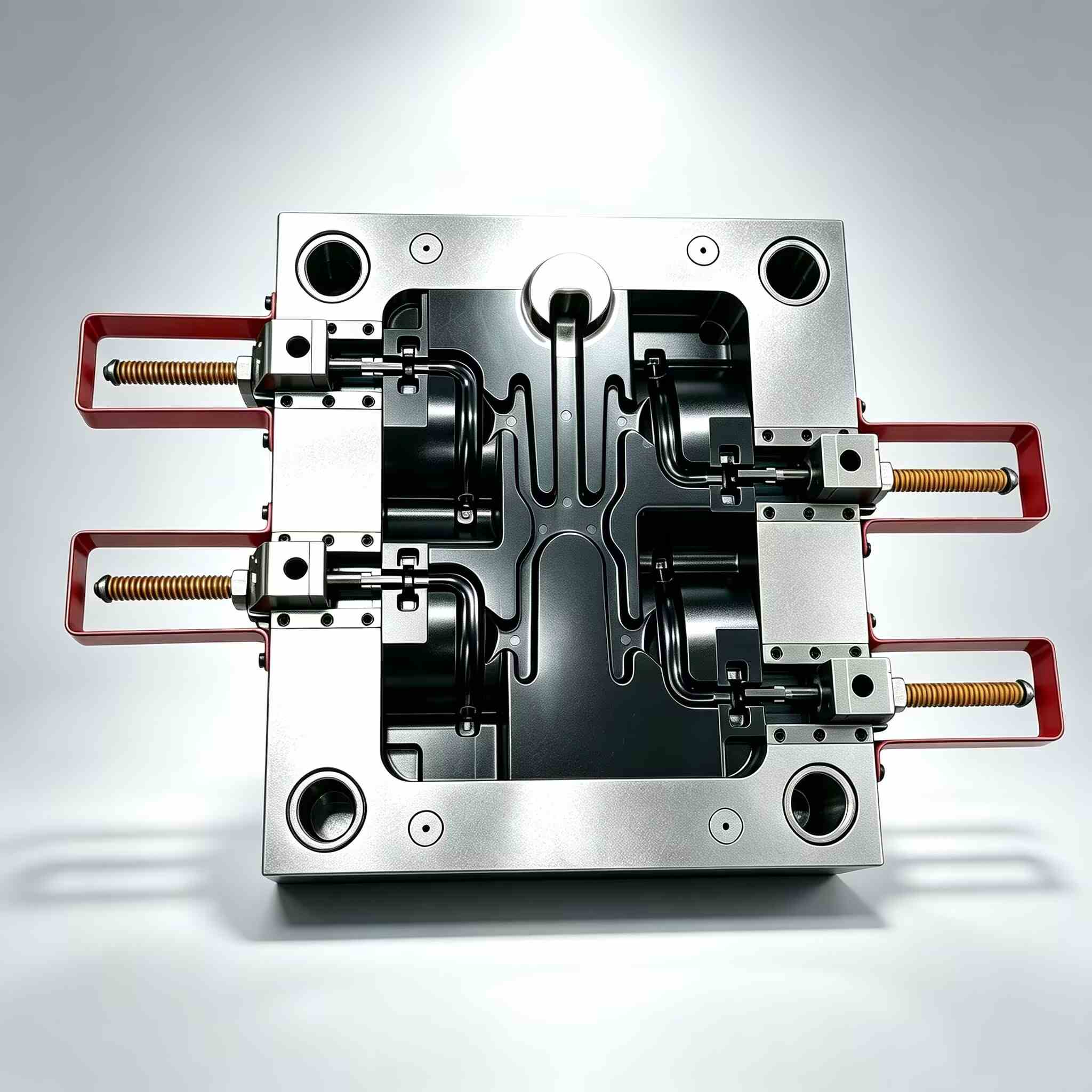
It’s easy to get tunnel vision on the final product—obsessing over tolerances, surface finish, and resin types. But on the shop floor, the real deal-breaker lies in that “no-man’s land” between the nozzle and the cavity.
If your runner system isn’t properly engineered, a promising project can quickly shift from a profit-maker to a costly headache.
We’re talking about the mold runner system.
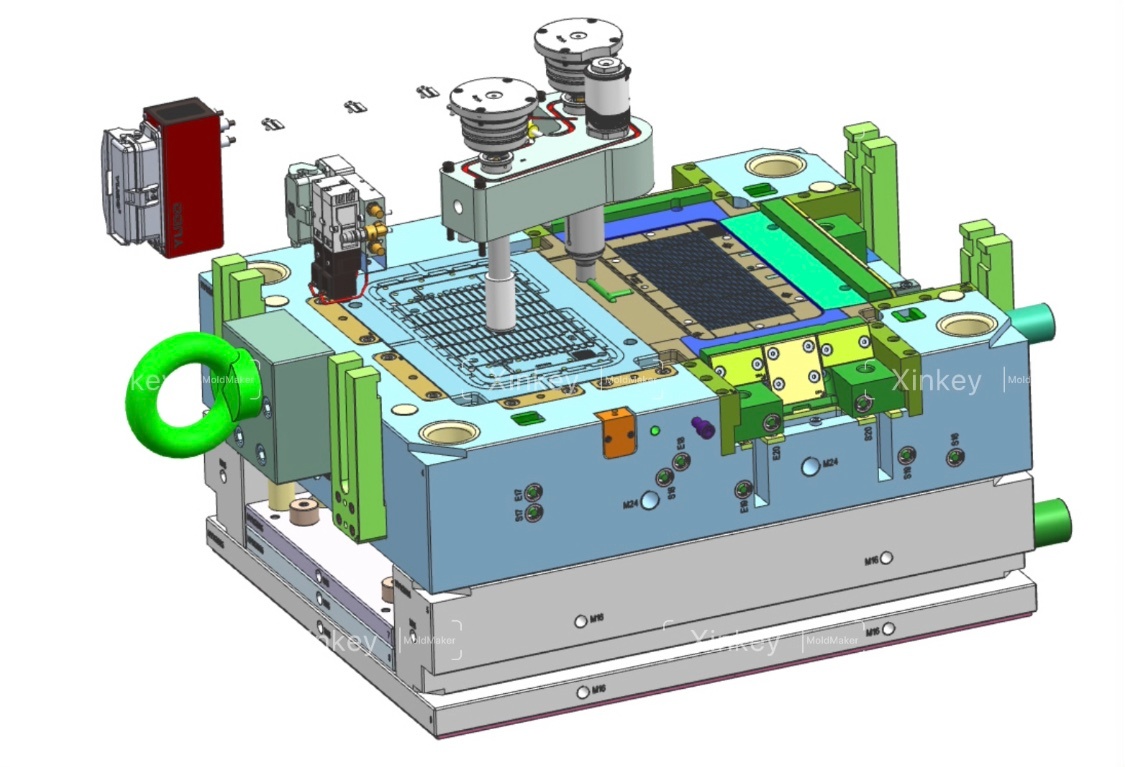
Think of the runner as the circulatory system of your mold. When the flow is restricted or inefficient, the entire process suffers. In this guide, we break down how runner systems work—and why choosing between cold and hot runners is more than just a budget decision.
Cold runner systems are the traditional and widely used option in injection molding. After the plastic is injected, the material in the runner cools and solidifies along with the part. When the mold opens, the runner is ejected as scrap (commonly referred to as regrind).
While regrinding is possible, it often comes at the expense of part performance and process consistency.
A hot runner system keeps the plastic in a molten state inside a heated manifold. Unlike cold runners, the material does not solidify and is not ejected with the part.
For large-scale production—especially in the millions of parts—a hot runner system often pays for itself through material savings and cycle time reduction.
Regardless of the system you choose, runner design plays a critical role in performance. Here are three essential principles from real-world production experience:
In multi-cavity molds, the runner must be balanced so that molten plastic reaches each cavity simultaneously. Even small variations in length or diameter can cause:
A well-balanced runner ensures uniform filling and consistent part quality.
A full-round runner cross-section is the industry gold standard.
Why?
While half-round runners may reduce machining cost, they often lead to higher pressure loss and reduced efficiency.
For cold runner systems, always include a cold slug well at the end of the sprue.
Its purpose:
This small design detail can significantly improve part integrity.
Choosing between cold and hot runners depends on your production goals. Consider these three key factors:
A mold runner is not just a pathway for molten plastic—it is a critical factor in both part quality and profitability.
The right choice depends on your specific production needs—but in every case, thoughtful runner design is essential.
Before starting your next tooling project, take a closer look at the runner system.
It may be the most important hidden factor shaping your manufacturing success.
Related Posts



Contact Us