In a lot of product development projects, most of the attention goes into the product itself — the appearance, functionality, electronics, and user experience.
That part usually moves fast.
The real problems often start later, when the design enters tooling and production.
The reason is simple:
Most product engineers are not mold engineers.
They may understand the product itself very well, but lack experience in injection mold structure design, tooling feasibility, and production-oriented plastic part optimization. As a result, many new products run into the same issues:
-
Product structures that are difficult to mold
-
Excessive undercuts and poor draft design
-
Sink marks and deformation after molding
-
Filling imbalance and short shots
-
Difficult mold release
-
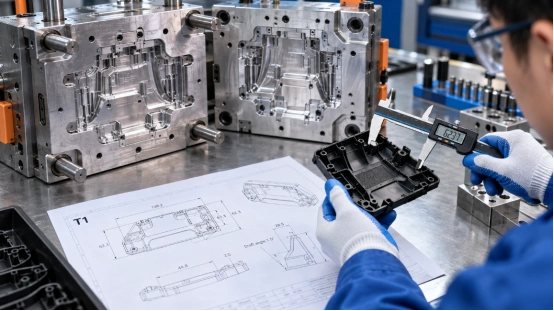
Multiple mold modifications after T1 testing
-
Delayed product launch schedules
-
Rising tooling and development costs
In many cases, the mold becomes a troubleshooting process instead of a manufacturing solution.
That is exactly where professional mold engineering support becomes critical.
One-Stop Mold Engineering & Manufacturing Support
We provide a complete one-stop solution covering:
By combining product engineering and mold manufacturing into one integrated workflow, we help customers reduce development risks and move products into production faster.
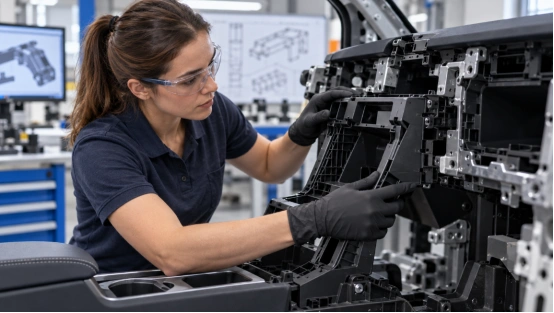
1. Product Structure Optimization for Mass Production
A product design that looks good on the screen does not always work well in real production.
Many plastic parts are initially designed without considering:
-
Wall thickness consistency
-
Draft angle requirements
-
Rib structure limitations
-
Undercut feasibility
-
Gate position influence
-
Cooling deformation risks
These issues may not appear during CAD design, but they quickly become expensive during tooling and trial molding.
Our engineering team reviews the product structure before mold design begins.
Without changing the product appearance or functional requirements, we optimize the structure for injection molding production. This helps prevent common molding problems such as:
-
Sink marks
-
Drag marks
-
Warpage
-
Short shots
-
Stress marks
-
Poor demolding
Early optimization significantly reduces tooling rework and improves first-shot success rates.
2. Professional DFM Analysis (Design for Manufacturability)
Before tooling starts, we provide a complete English DFM report to help customers fully understand the manufacturability of the product.
The report includes:
-
Parting line suggestions
-
Gate location recommendations
-
Potential undercut analysis
-
Draft angle review
-
Risk areas for molding defects
-
Mold structure recommendations
-
Initial tooling concept proposals
Instead of discovering problems after steel cutting, customers can identify risks early and make informed decisions before production begins.
This shortens communication cycles and keeps project risks under control.
For overseas customers, especially startups and hardware companies without an internal mold engineering team, DFM analysis becomes an important bridge between product design and real manufacturing.
3. Mold Flow Analysis Before Tooling
One of the most expensive mistakes in mold manufacturing is discovering production defects after the mold is already built.
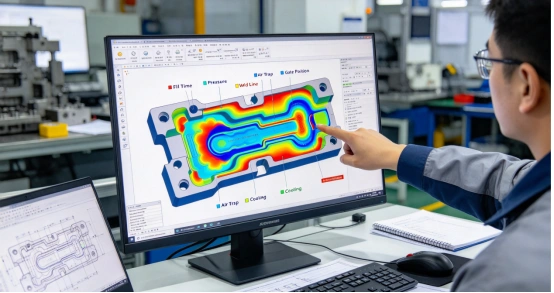
To avoid this, we perform mold flow simulation before tooling production.
Using injection molding simulation software, we can predict issues such as:
-
Weld lines
-
Air traps
-
Filling imbalance
-
Warpage
-
Cooling problems
-
Injection pressure risks
This allows us to optimize both the product structure and mold design before machining begins.
In many projects, mold flow analysis helps reduce repeated mold modifications and lowers the number of trial runs required.
For complex plastic parts, this step can save weeks of development time and significantly reduce overall tooling costs.
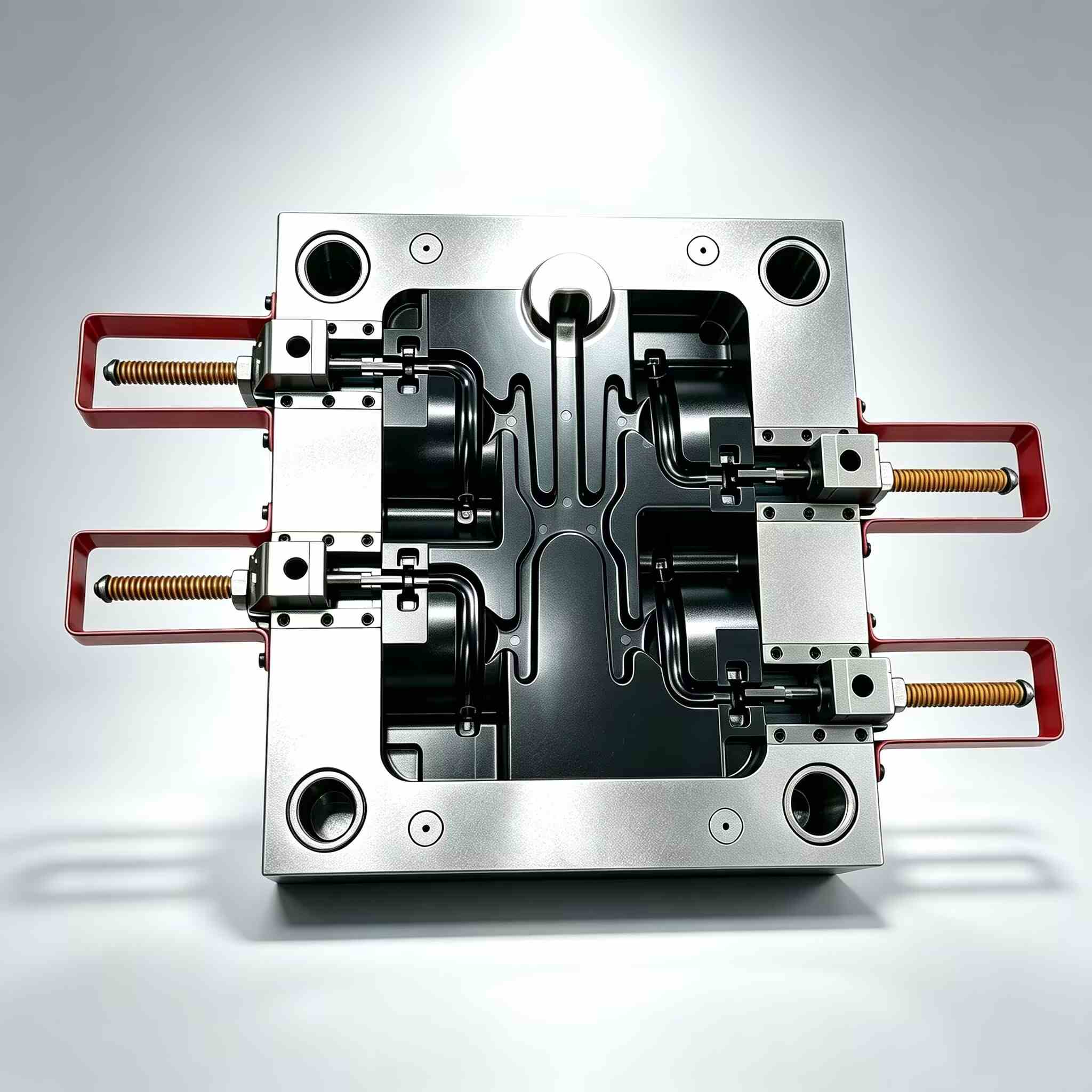
4. Full Standardized Mold Design Based on European Standards
A stable mold does not depend only on machining quality. The mold design itself determines long-term reliability.
Our mold design process follows European mold standards including:
-
HASCO standards
-
Meusburger standards
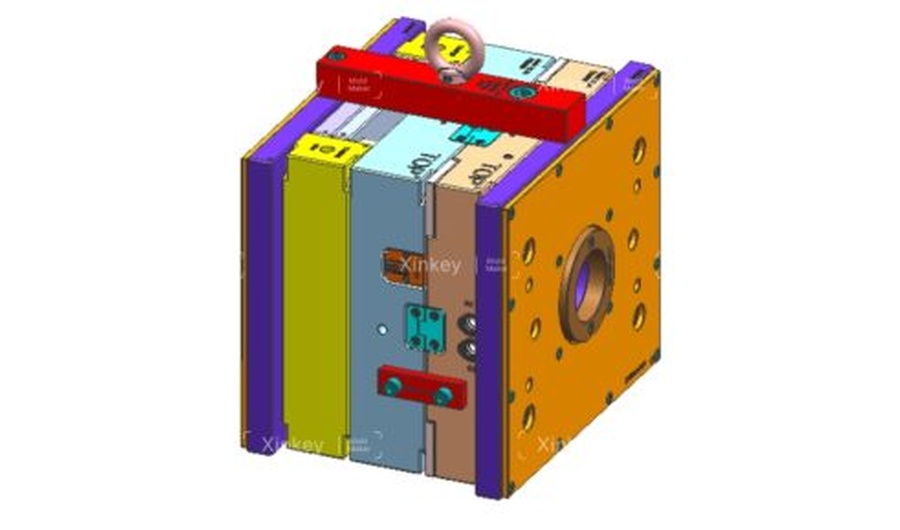
We provide complete mold engineering design including:
All drawings are standardized for efficient manufacturing, future maintenance, and long-term production stability.
This is especially important for customers requiring export-quality tooling and consistent production standards.
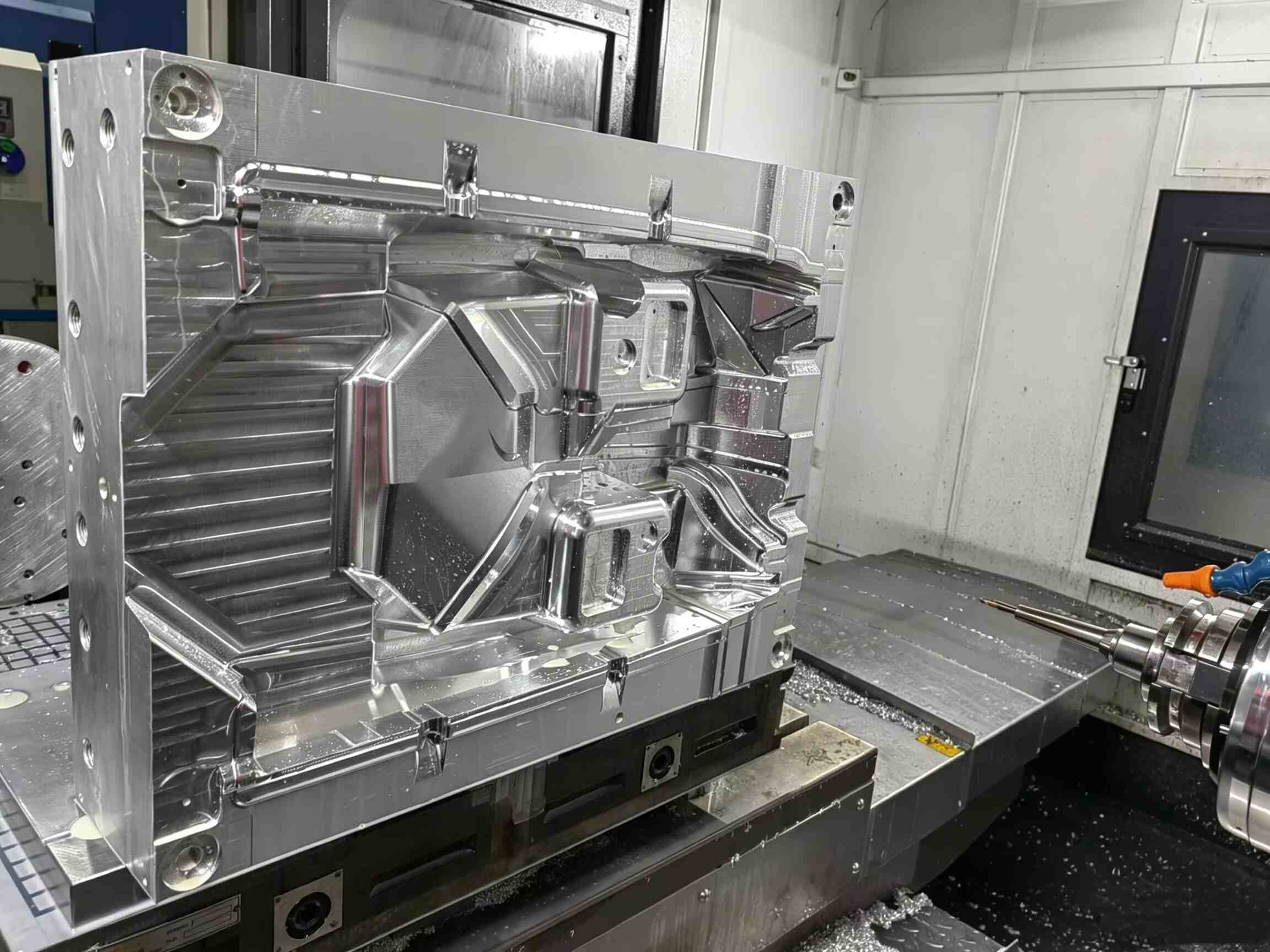
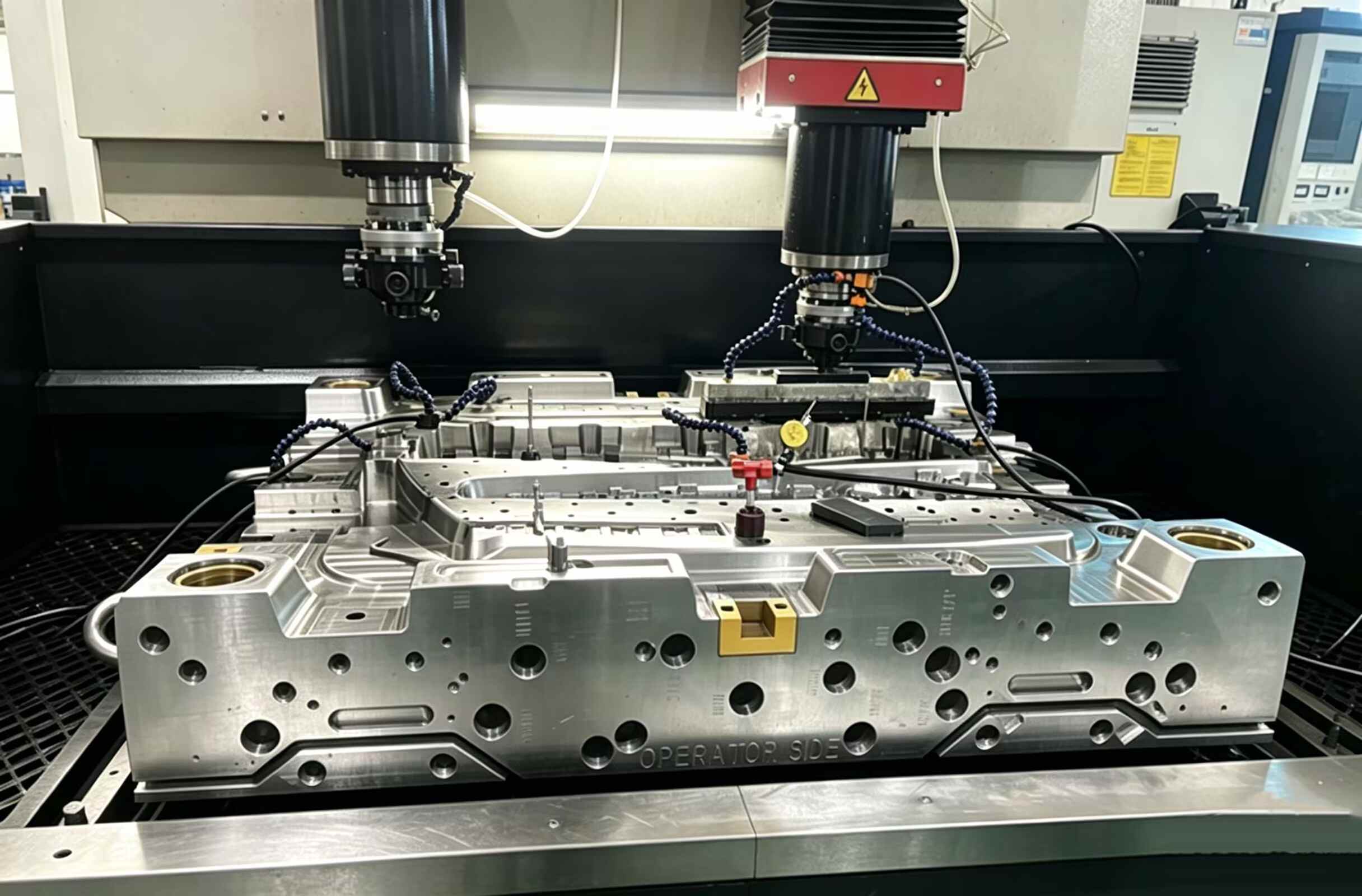
5. Mold Manufacturing, Trial Molding & Turnkey Delivery
Design alone is not enough.
A successful mold project also depends heavily on machining accuracy, assembly experience, and trial molding capability.
With our in-house mold manufacturing facility, we provide complete tooling production services including:
Customers do not need to coordinate with multiple suppliers for design, machining, testing, and modification.
Everything is managed through one integrated team.
This greatly improves communication efficiency and shortens overall project lead time.
Why Many Companies Choose External Mold Engineering Support
Many startups, product design firms, and small-to-medium hardware companies do not have an internal mold engineering department.
As a result, product teams often face challenges such as:
-
Not knowing whether the product can actually be molded
-
Difficulty evaluating mold supplier proposals
-
Repeated tooling modifications
-
Unclear root causes during testing
-
Long development delays
By working with an experienced mold engineering and manufacturing partner, these problems can be solved much earlier in the process.
We act as an external mold engineering extension of your development team — combining product optimization, mold engineering, and manufacturing into one complete workflow.
The Real Value of Integrated Mold Engineering
A good mold supplier does more than simply manufacture steel.
The real value comes from helping customers avoid manufacturing mistakes before they happen.
With integrated engineering and manufacturing support, companies can:
-
Reduce tooling risks
-
Shorten product development cycles
-
Improve first mold trial success rates
-
Lower modification costs
-
Accelerate mass production readiness
-
Achieve stable long-term production quality
For companies targeting European and international markets, standardized mold engineering is not just a quality advantage — it directly affects production stability, delivery timelines, and total project cost.
Looking for Injection Mold Engineering Support?
When developing new plastic products, many teams find themselves without sufficient in-house mold engineering capabilities — and that’s where we come in.
We offer a full range of one-stop injection molding services to guarantee smooth mass production. Our support spans every key stage: product optimization, DFM analysis, mold design and fabrication, as well as ongoing production assistance.

 author



Contact Us