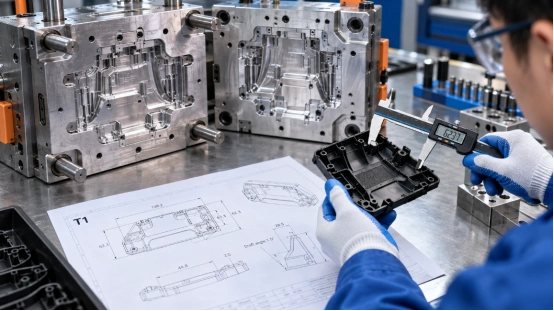
Low-Volume Injection Molding: On-Demand Production & Fast Tooling
23rd October 2026

 author
If you are manufacturing parts with internal or external threads—like pipe fittings, cosmetic caps, or industrial valves—you know that the “unthreading” phase is the biggest bottleneck in the injection cycle. In many standard shops, this is still done via manual unscrewing or slow, secondary operations.
At Xinkey Mould, we see threading not just as a feature, but as a mechanical puzzle to be automated. Here is why engineering an Automatic Unscrewing System is the best investment for high-volume threaded parts.
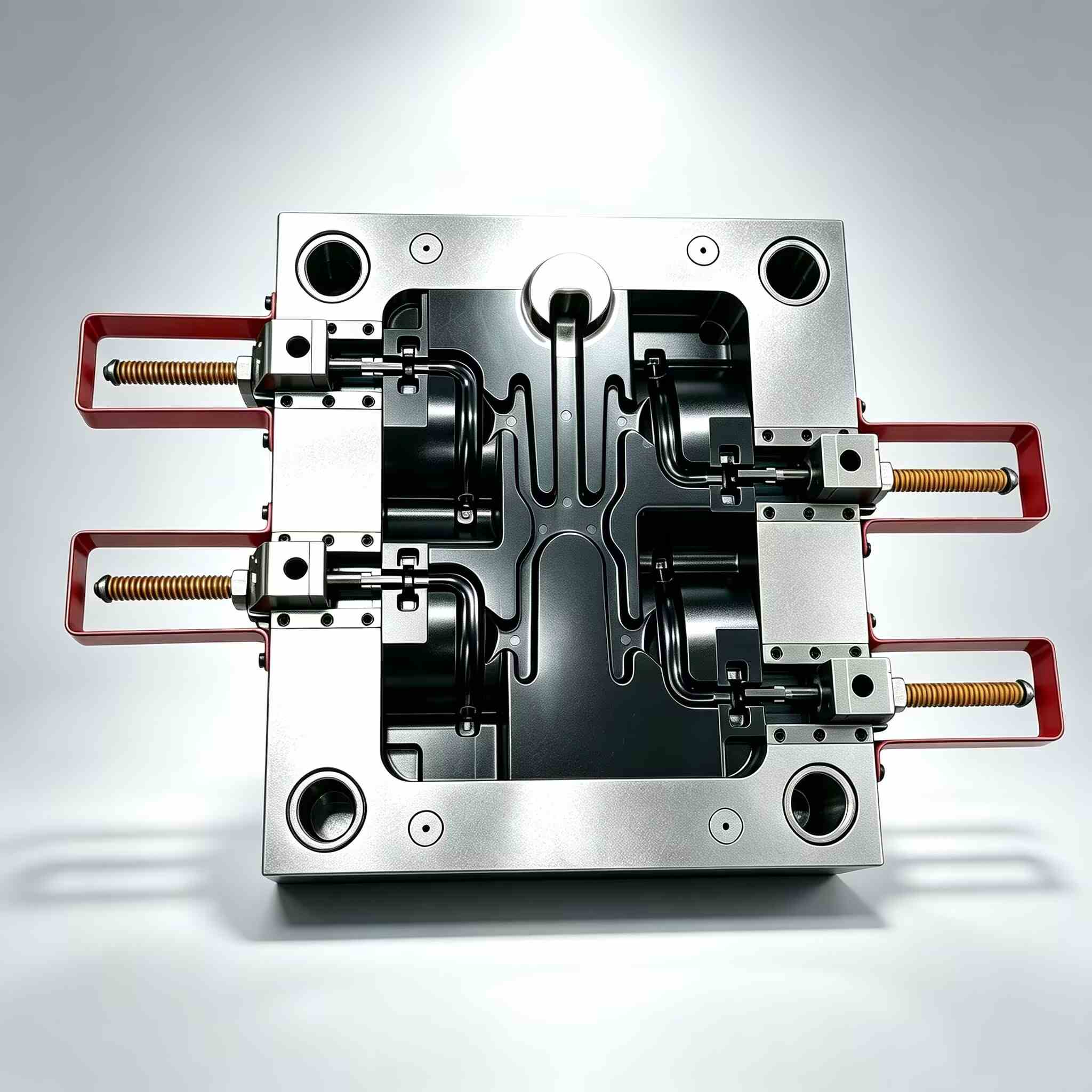
The core of an unscrewing mold is its drive mechanism. There is no “one-size-fits-all” solution here.
Rack and Pinion: For high-speed, synchronized movements, we often design a rack-and-pinion system driven by the mold’s opening stroke. It’s purely mechanical and incredibly fast.
Hydraulic or Electric Motors: When the thread is too long or requires multiple rotations, we integrate precision motors.
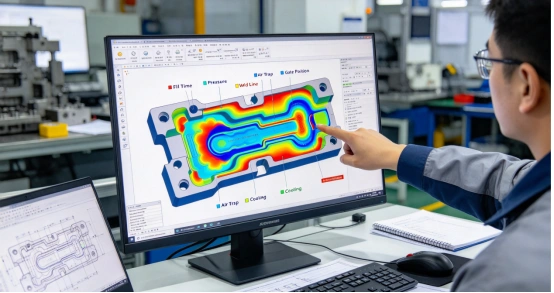
The secret Xinkey has learned over 25 years? It’s the synchronization. If the core doesn’t retreat at the exact same rate as the thread pitch, you’ll strip the plastic threads before the part even leaves the mold. Our designers use 3D simulation to map this “travel-to-rotation” ratio to the micron.
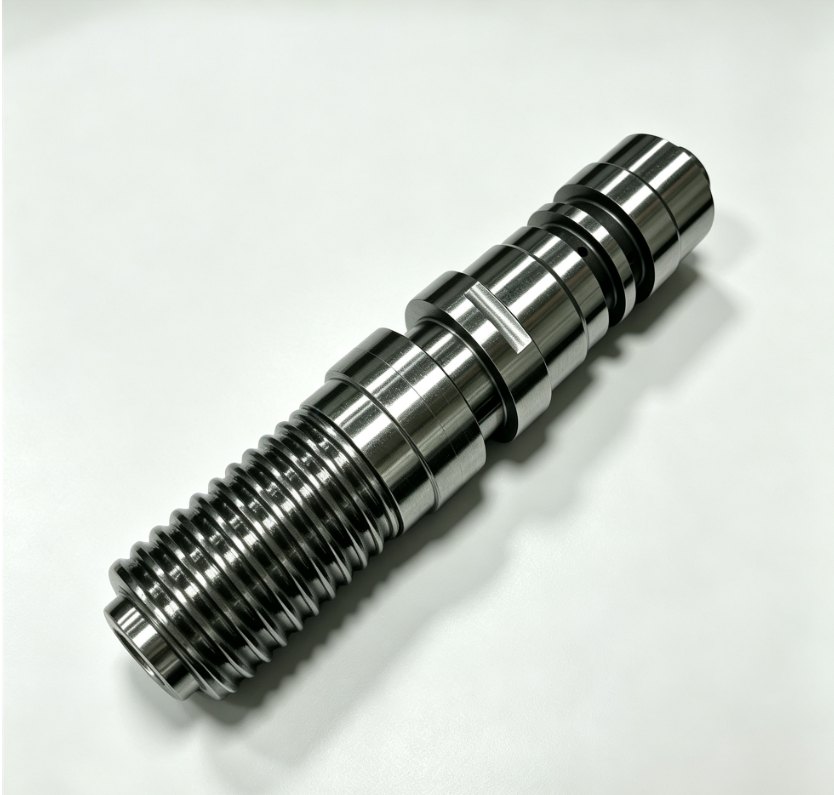
Threaded cores are constantly rotating against the mold cavity. This creates massive friction and heat. Standard mold shops often face “galling” (metal-on-metal seizing) after only a few thousand shots.
We solve this by choosing the right “muscle” for the mold. We use hardened H13 or S136 steel for the rotating cores, often treated with specialized low-friction coatings (like DLC). Furthermore, we design internal cooling channels inside the rotating core—a high-level engineering feat that ensures the plastic sets quickly and the threads stay crisp, shot after shot.
We often see clients come to us after buying a cheaper, manual unscrewing mold elsewhere. They saved $5,000 on the tool but are spending $2,000 every month on labor and scrap parts.
An automatic unscrewing mold from Xinkey might have a higher upfront cost, but it eliminates manual intervention. By shaving 5 seconds off a cycle and removing the need for a human operator, the mold usually pays for itself within the first few months of production.
The Xinkey Advantage
When you send us a 3D file for a threaded part, our 22 designers don’t just look at the shape. We look at the Pitch, the Material Shrinkage, and the Cycle Time. We build tooling that allows you to hit the “Start” button and let the machine do the work 24/7.
Related Posts



Contact Us