Why Internal Undercuts Are a Serious Problem in Injection Molding
-
Aronna Zheng
- 15th 4 月 2026
Let’s be honest: internal undercuts are a nightmare for mold designers. Unlike external features, they can’t be handled with standard sliders.
If the geometry isn’t designed correctly, the consequences are serious:
- Parts stuck permanently on the core
- Surface damage or scuffing
- Lifter rod breakage
- Costly production downtime
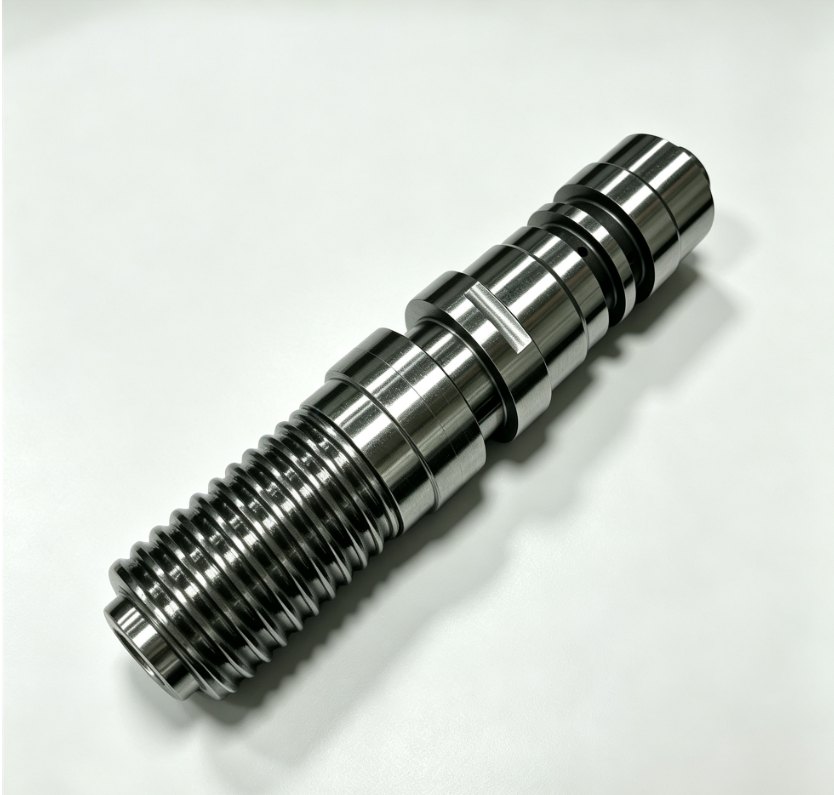
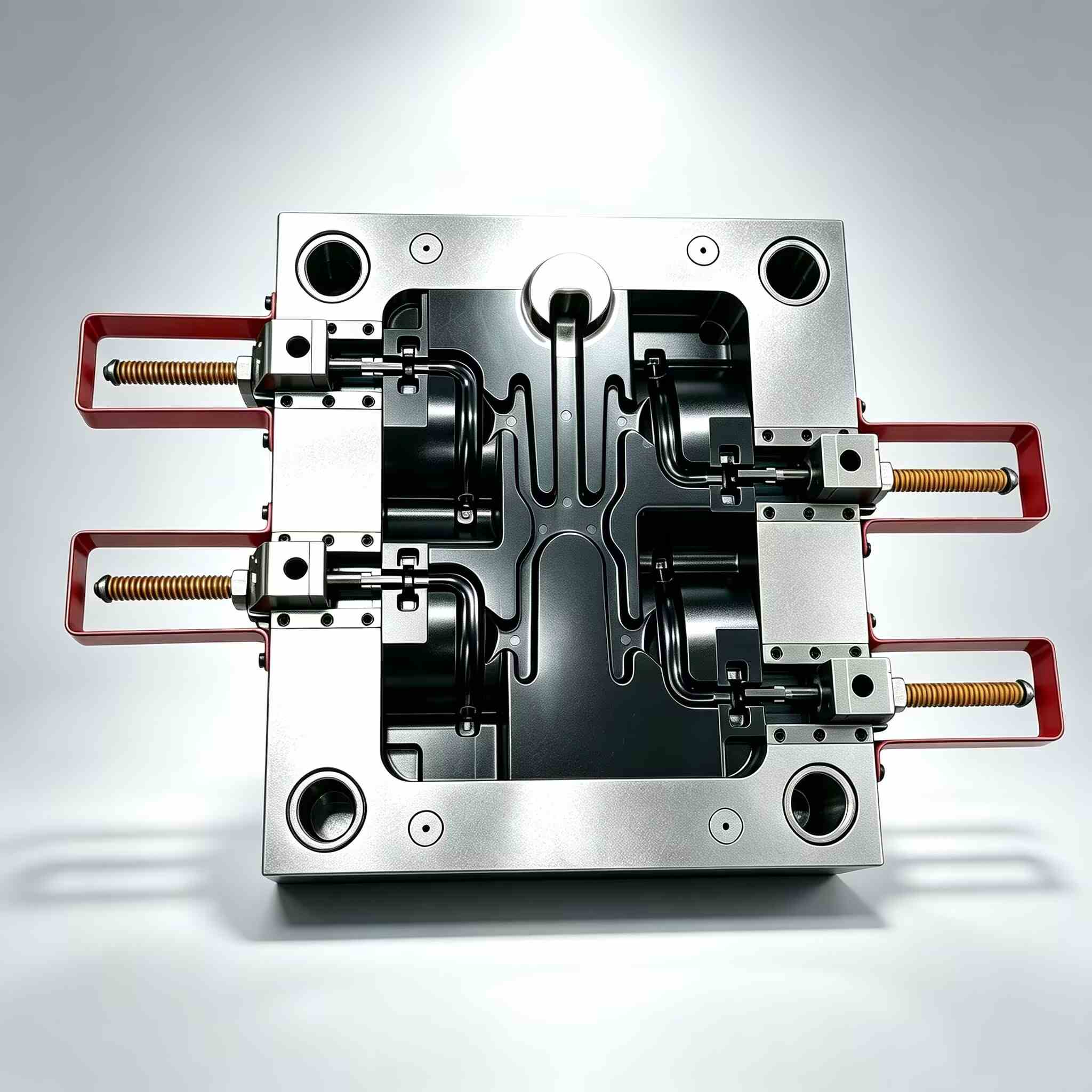
When dealing with internal clips or bosses, the mold lifter becomes the most reliable mechanical solution.
How a Mold Lifter Works: The “Side-Step” Principle
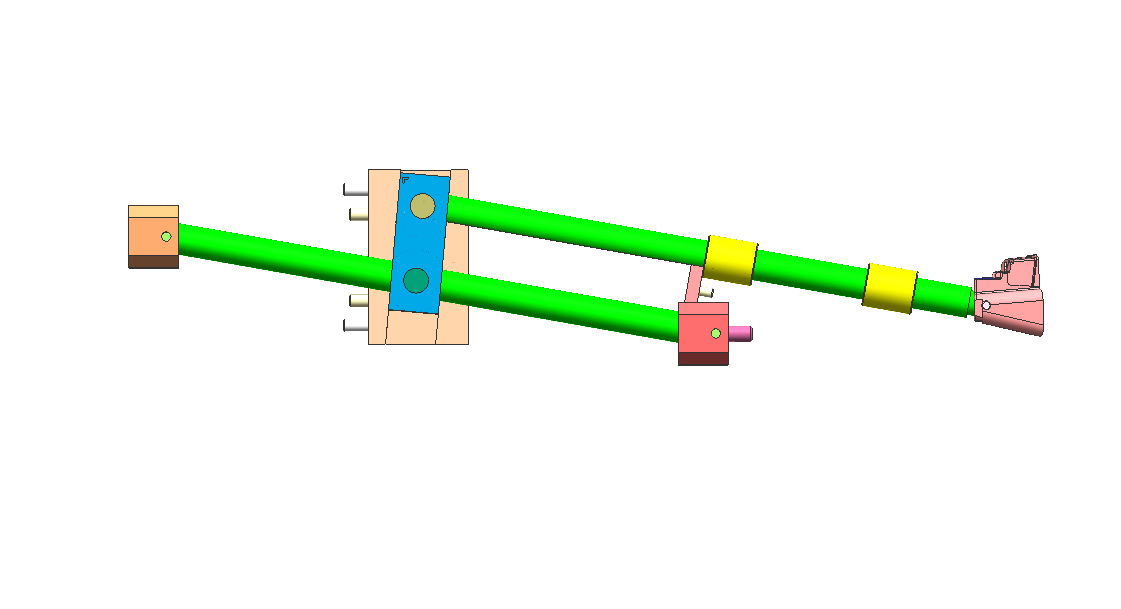
A mold lifter doesn’t move like a traditional slider. Instead, it is driven by the ejector system.
During the ejection cycle:
- The lifter moves upward with the ejector plate
- At the same time, it follows an angled path
- This creates a combined vertical + lateral motion
This lateral movement—often called the “side-step”—is what releases the undercut.
Key Design Rule
Always allow at least 2 mm of extra travel beyond the undercut depth.
Anything less increases the risk of:
- Drag marks
- Surface scratches
- Incomplete release
The Most Common Mistake: Incorrect Lifter Angle
One of the biggest design errors is pushing the lifter angle too steep to save space.
Recommended Lifter Angle
- Optimal range: 5° – 11°
Risk Zone
- Above 15°: High risk of binding and failure
At steeper angles:
- Lateral force increases significantly
- Vertical motion becomes restricted
- The lifter may jam or the rod may buckle
When Steep Angles Are Unavoidable
If your design forces a larger angle, consider:
- Hinged lifter base
- T-slot lifter design
These help reduce stress on the lifter rod and improve durability.
Material Selection: Prevent Galling and Wear
Lifter systems operate under:
- High pressure
- High temperature
- Continuous metal-to-metal contact
Choosing the wrong material can lead to galling, where surfaces weld together and fail.
Recommended Materials
- H13 tool steel
- 718H pre-hardened steel
Hardness Guideline
- Target: 50–54 HRC
- Keep the lifter slightly harder than the core
High-Performance Option
For faster cycle times:
- Use Beryllium Copper inserts
Benefits:
- Faster heat dissipation
- Reduced cooling time
- Increased production efficiency
3 Expert Tips for a Bulletproof Lifter Design
1. Add a “Tail” Guide
Always support the bottom of the lifter rod with a guide block.
Without support:
- The rod vibrates
- Vibration leads to flash and wear
2. Use Oil Grooves
Friction is the enemy of any moving component.
Best practice:
- Add lubrication grooves to sliding surfaces
Exception:
- Medical molds → use DLC coating instead of oil
3. Control the Parting Line (PL) Fit
The lifter shut-off surface must match the core perfectly.
Even a 0.01 mm gap can cause:
- Visible witness lines
- Poor surface quality
Lifter vs Slider: Which One Should You Use?
Choosing between a lifter and a slider depends entirely on undercut location.
Use a Slider When:
- The undercut is external
- There is enough space for side action
Use a Lifter When:
- The undercut is internal
- Space is limited
- Hydraulic systems are not practical
Final Thoughts
A mold lifter is one of the most efficient solutions for internal undercuts—but only when designed correctly.
By controlling:
- Angle
- Travel clearance
- Material selection
- Structural support
You can turn a high-risk feature into a reliable, repeatable mechanism that keeps your production line running smoothly.
Need help optimizing your mold design or solving complex undercuts?
Visit www.xinkeymould.com to get expert support and improve your tooling performance.
联系我们