The Parting Line: Where Your Mold Design Meets Reality
-
Aronna Zheng
- 14th 4 月 2026
Ever run your thumb along a new plastic part and felt that sharp, ugly ridge digging into your skin? That’s the parting line.
It’s supposed to be a seamless transition—but more often than not, it becomes the scar of a rushed design.
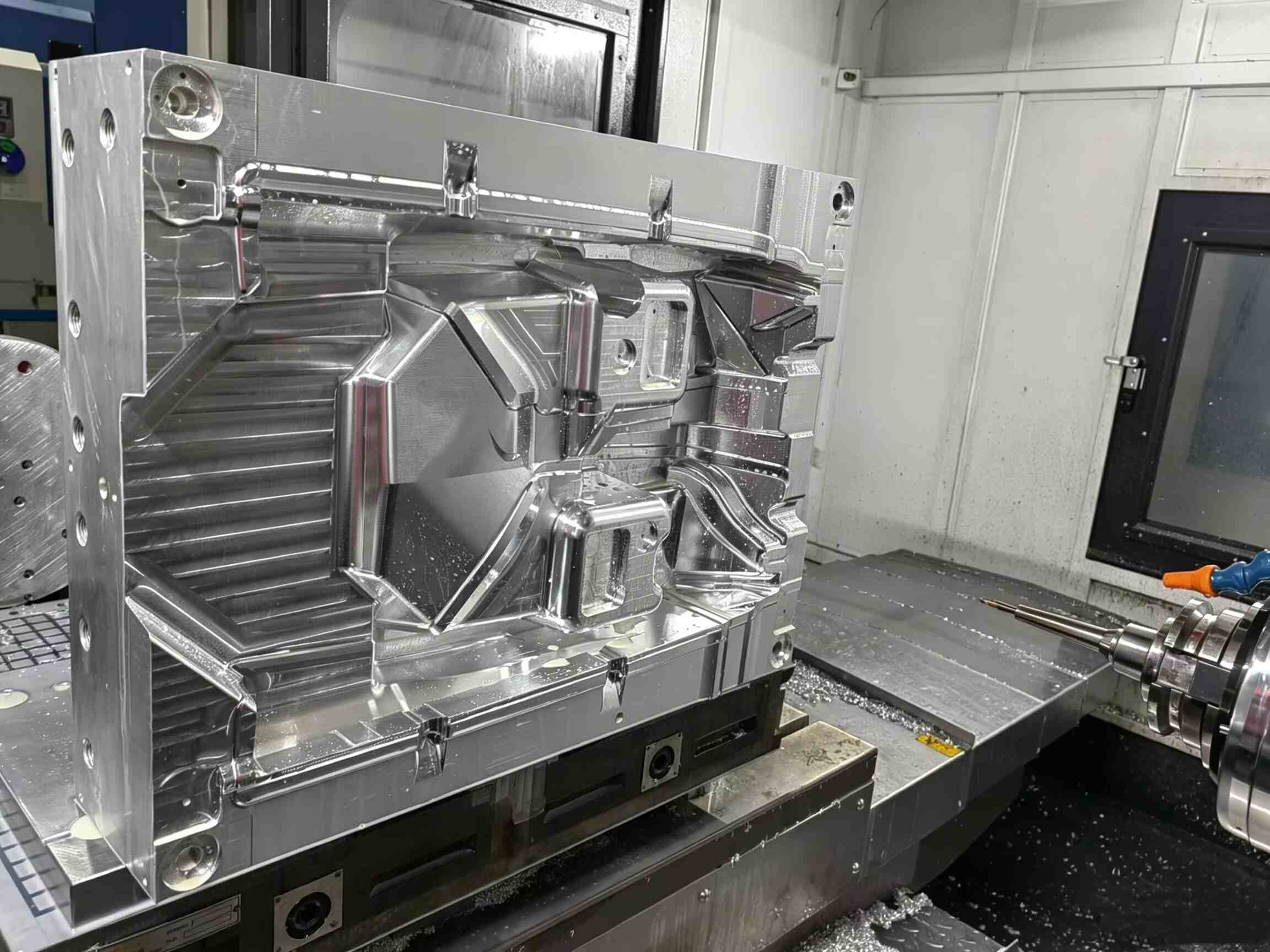
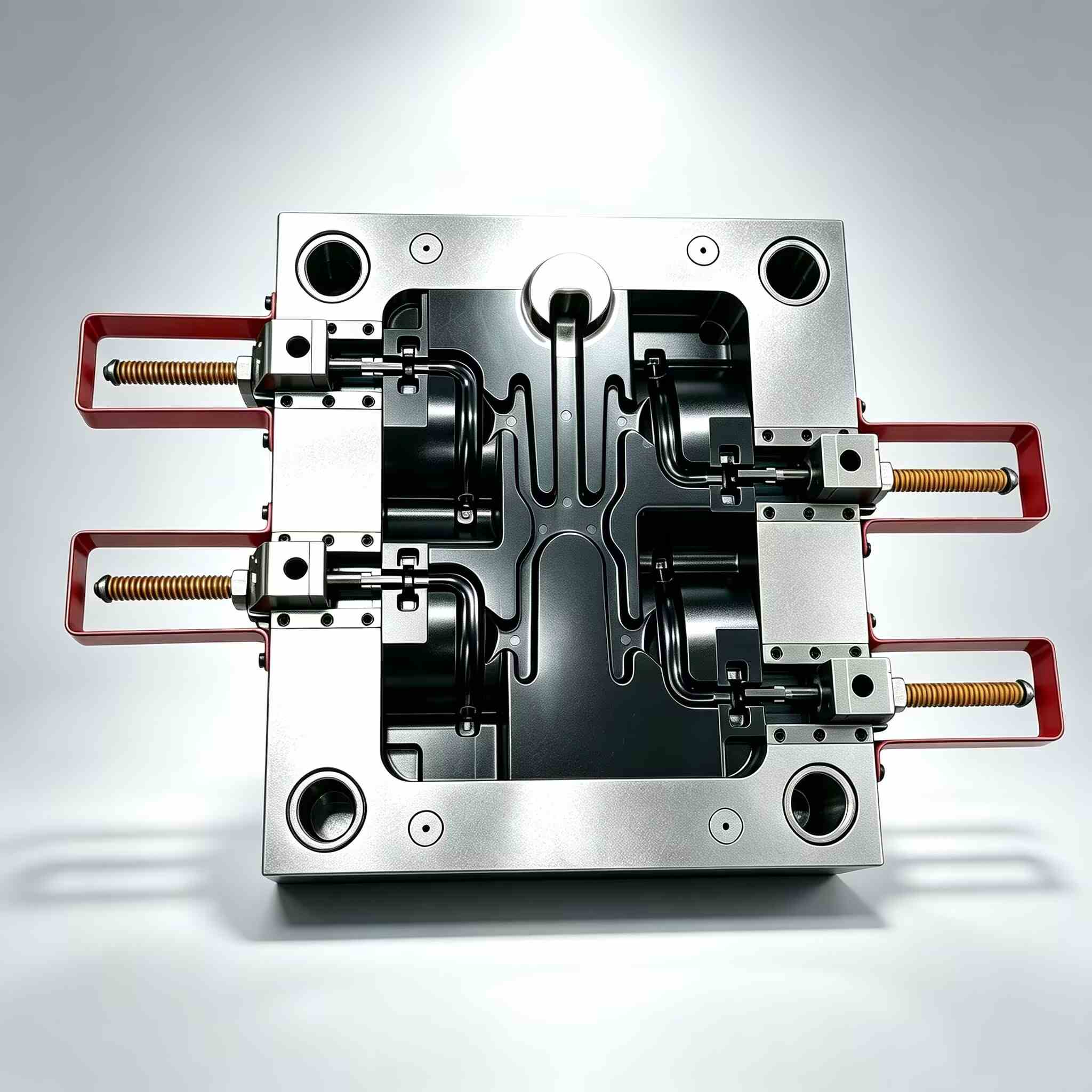
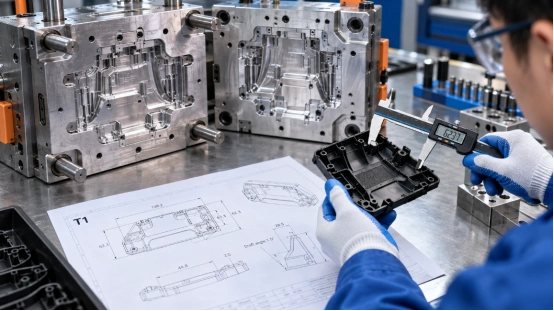
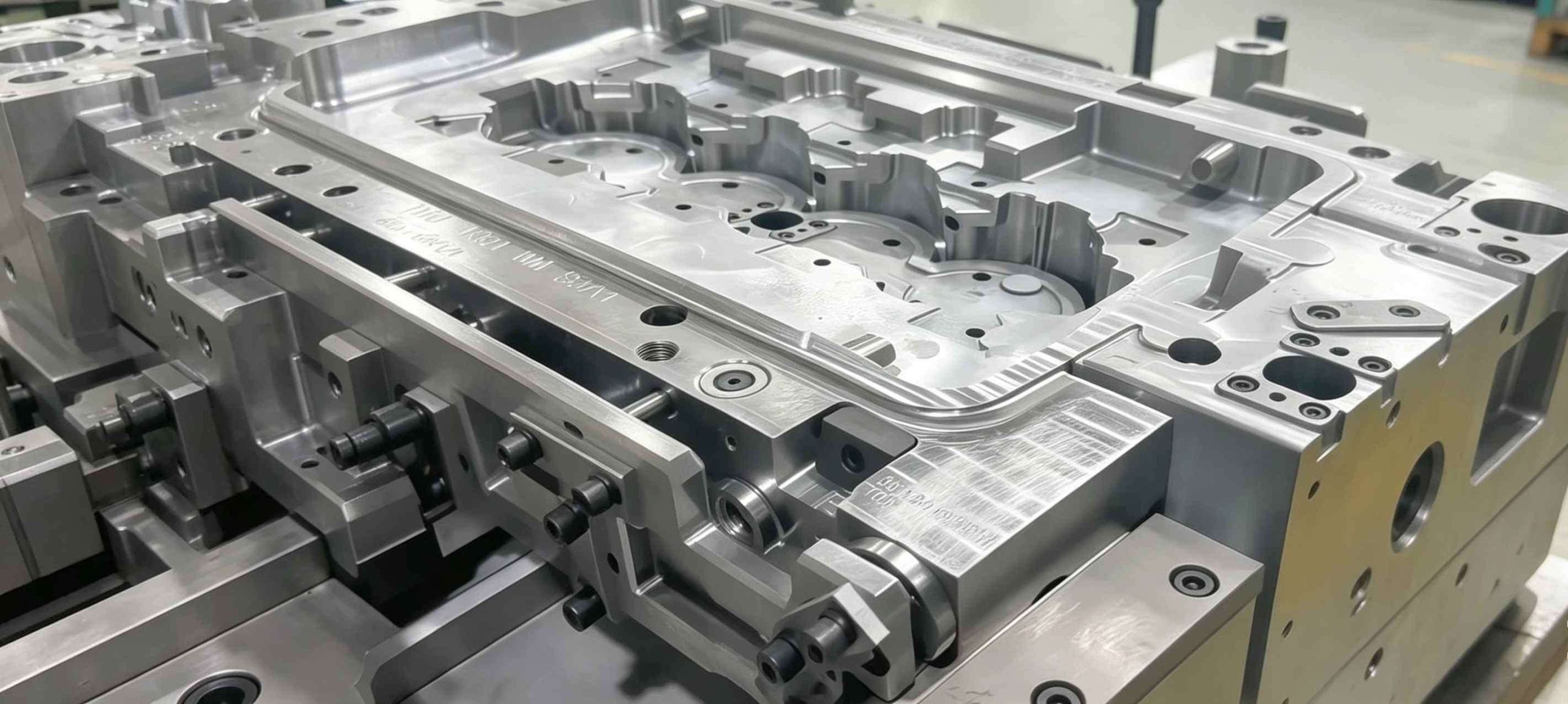
On a 2D CAD screen, the parting line looks like a simple intersection. But on the shop floor, it’s a high-stakes battlefield—where the core and cavity meet. If these two halves don’t “kiss” perfectly, your part is compromised before it even leaves the press.
Why the Parting Line Matters
A poorly designed parting line isn’t just an eyesore—it’s a profit killer:
- ❌ Manual de-flashing costs
- ❌ Higher scrap rates
- ❌ Repeated DFM revisions
- ❌ Tool wear and maintenance
1. Stop Calling It a “Line” — It’s a Strategic Split
Think of the parting line as the mechanical equator of your part.
It determines whether your part can be released from the mold—or gets trapped inside it.
Common Pitfalls
🔴 The “Trapped” Nightmare (Undercuts)
Misplace the parting line by even 1 mm, and you create an undercut.
Now your simple mold suddenly requires:
- Slides
- Lifters
- Complex mechanisms
➡️ Result: Tooling cost can double instantly
🔴 The “Kiss-Off” Surface Problem
The parting line isn’t just a boundary—it’s a high-pressure seal.
Complex geometries like:
- Zig-zags
- Sharp transitions
- Steep curves
…lead to faster wear and sealing failure.
✅ Golden Rule
Keep it flat. Keep it simple.
- Flat parting lines = easier machining
- Better sealing performance
- Longer tool life
2. The Messy Reality of Flash (And Why It’s Bleeding Your Profits)
If your parts have a thin, unwanted fringe around the edges—you’re dealing with flash.
In the shop, we call it “bleeding.”
Why Flash Happens
During injection, molten plastic is under extreme pressure and will escape through any gap.
🔧 Root Causes:
• Steel Fatigue
- Shut-off surfaces wear down over time
- Edges round off after high cycle counts
• Poor Alignment
- Core and cavity not perfectly matched
- Even microscopic gaps cause flash
• The “Tonnage Trap”
Increasing clamp force won’t fix bad design.
More tonnage = more damage (vent crushing, plate deformation)
⚠️ Reality Check (New Molds)
If you see flash during the first T1 trial:
👉 It’s NOT a machine issue
👉 It’s a tooling problem
Fix the shut-off alignment, not the press settings.
3. How to Hide the Parting Line (Designer’s Secret)
The best parting line is the one no one notices.
High-end brands like Apple or Dyson obsess over this detail—and you should too.
Pro Techniques
✔ Follow the Edge
Place the parting line along sharp edges or corners.
✔ Use the “Step” Method
Hide it inside:
- Grooves
- Decorative lines
- Design breaks
✔ Texture Contrast
- One side matte
- One side glossy
➡️ Turns a flaw into a design feature
4. Why Draft Angle Is Your Best Friend
You can’t design a proper parting line without draft angle.
Every wall must taper away from the mold.
Without Draft
- Parts scrape during ejection
- Surface damage (drag marks)
- Galling (white scratches)
✅ Recommended Draft Angles
- Smooth surfaces: ≥ 0.5°
- Textured surfaces: ≥ 3°
More draft = easier ejection + better surface finish
5. The Bottom Line: Consult Early
One of the biggest mistakes designers make:
Finishing the design… then “throwing it over the wall” to the mold maker.
✅ Best Practice
Engage your mold maker early and ask:
- Where will the parting line be?
- Will the shut-off surfaces wear quickly?
- Can we move the line to a hidden area?
Final Takeaway
A few hours of DFM discussion today can save:
- Weeks of rework
- Thousands in scrap
- Endless frustration on the shop floor
In Short
The parting line isn’t just a line—
it’s where design meets manufacturing reality.
联系我们