Low-Volume Injection Molding: On-Demand Production & Fast Tooling
23rd October 2026

 Aronna Zheng
Soyons honnêtes : les contre-dépouilles internes sont un véritable cauchemar pour les concepteurs de moules. Contrairement aux éléments externes, elles ne peuvent pas être traitées avec des curseurs standard.
Si la géométrie n'est pas correctement conçue, les conséquences sont graves :
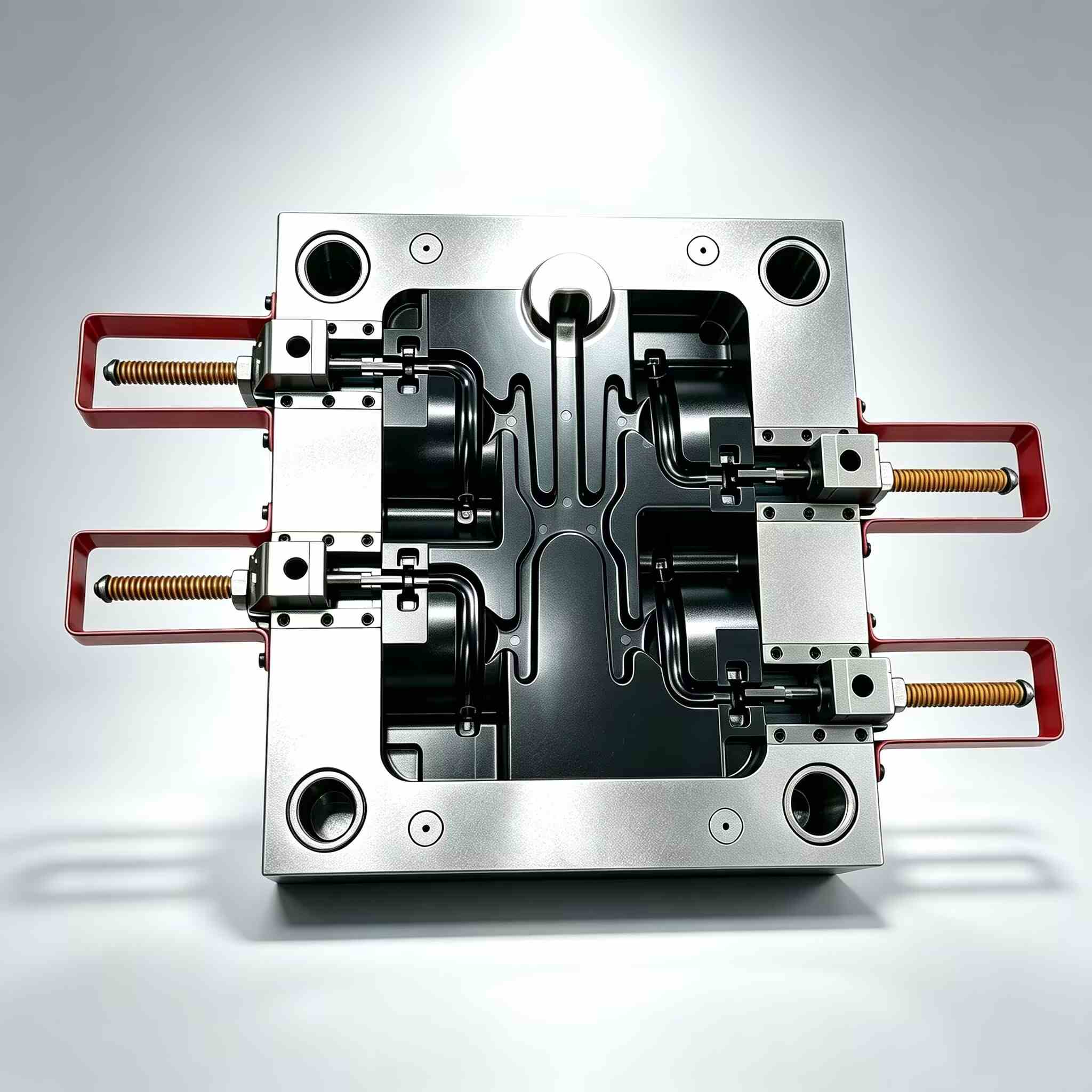
Lorsqu'il s'agit de clips ou de bossages internes, lève-moule devient la solution mécanique la plus fiable.
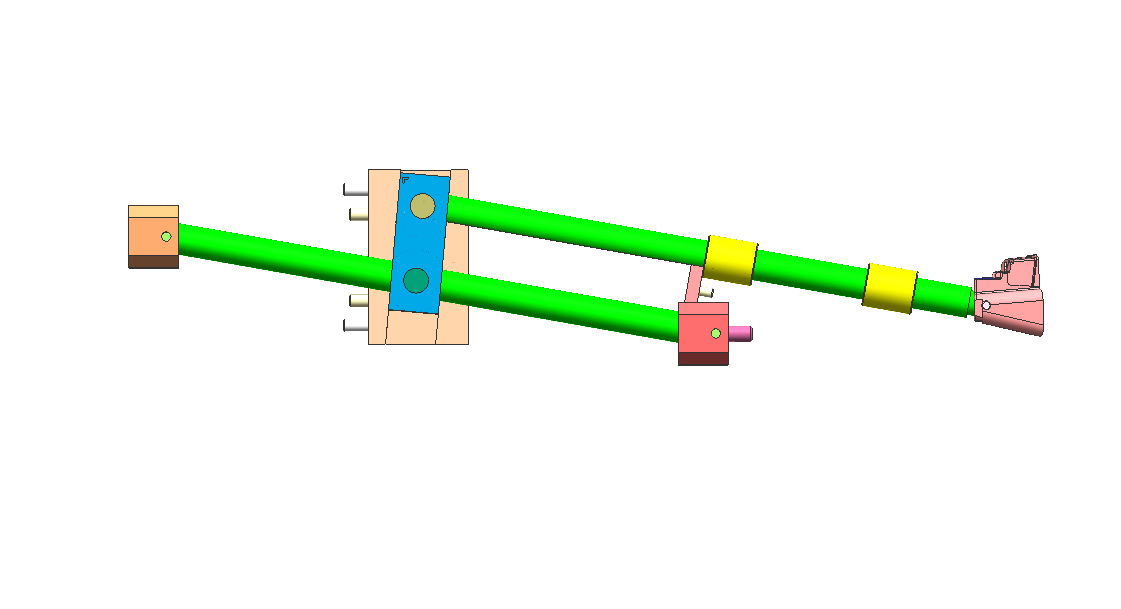
Un lève-moule ne fonctionne pas comme un coulisseau traditionnel. Il est actionné par le système d'éjection.
Durant le cycle d'éjection :
Ce mouvement latéral, souvent appelé "éviter"—c’est ce qui libère le contre-dépouille.
Toujours permettre au moins 2 mm de course supplémentaire au-delà de la profondeur de la contre-dépouille.
Tout résultat inférieur augmente le risque de :
L'une des plus grosses erreurs de conception consiste à incliner excessivement l'angle du lève-personne pour gagner de la place.
À des angles plus prononcés :
Si votre conception impose un angle plus important, tenez compte des points suivants :
Ces éléments contribuent à réduire les contraintes sur la tige de levage et à améliorer sa durabilité.
Les systèmes de levage fonctionnent selon les conditions suivantes :
Choisir le mauvais matériau peut entraîner exaspérant, là où les surfaces se soudent et cèdent.
Pour des cycles plus rapides :
Avantages:
Toujours soutenir la base de la tige de levage avec un bloc de guidage.
Sans soutien :
Le frottement est l'ennemi de tout élément mobile.
Meilleures pratiques :
Exception:
La surface d'arrêt du dispositif de levage doit correspondre parfaitement au noyau.
Même un écart de 0,01 mm peut provoquer :
Le choix entre un poussoir et un coulisseau dépend entièrement de l'emplacement de la contre-dépouille.
Un dispositif de levage de moule est l'une des solutions les plus efficaces pour les contre-dépouilles internes, mais seulement s'il est correctement conçu.
En contrôlant :
Vous pouvez transformer une fonctionnalité à haut risque en une mécanisme fiable et reproductible qui assure le bon fonctionnement de votre chaîne de production.
Besoin d'aide pour optimiser la conception de votre moule ou résoudre des problèmes de contre-dépouilles complexes ?
Visite www.xinkeymould.com pour obtenir un soutien d'experts et améliorer les performances de vos outils.
Articles connexes



Nous contacter