Low-Volume Injection Molding: On-Demand Production & Fast Tooling
23rd October 2026

 Aronna Zheng
Siamo onesti: i sottosquadri interni sono un incubo per i progettisti di stampi. A differenza delle caratteristiche esterne, non possono essere gestiti con i cursori standard.
Se la geometria non è progettata correttamente, le conseguenze possono essere gravi:
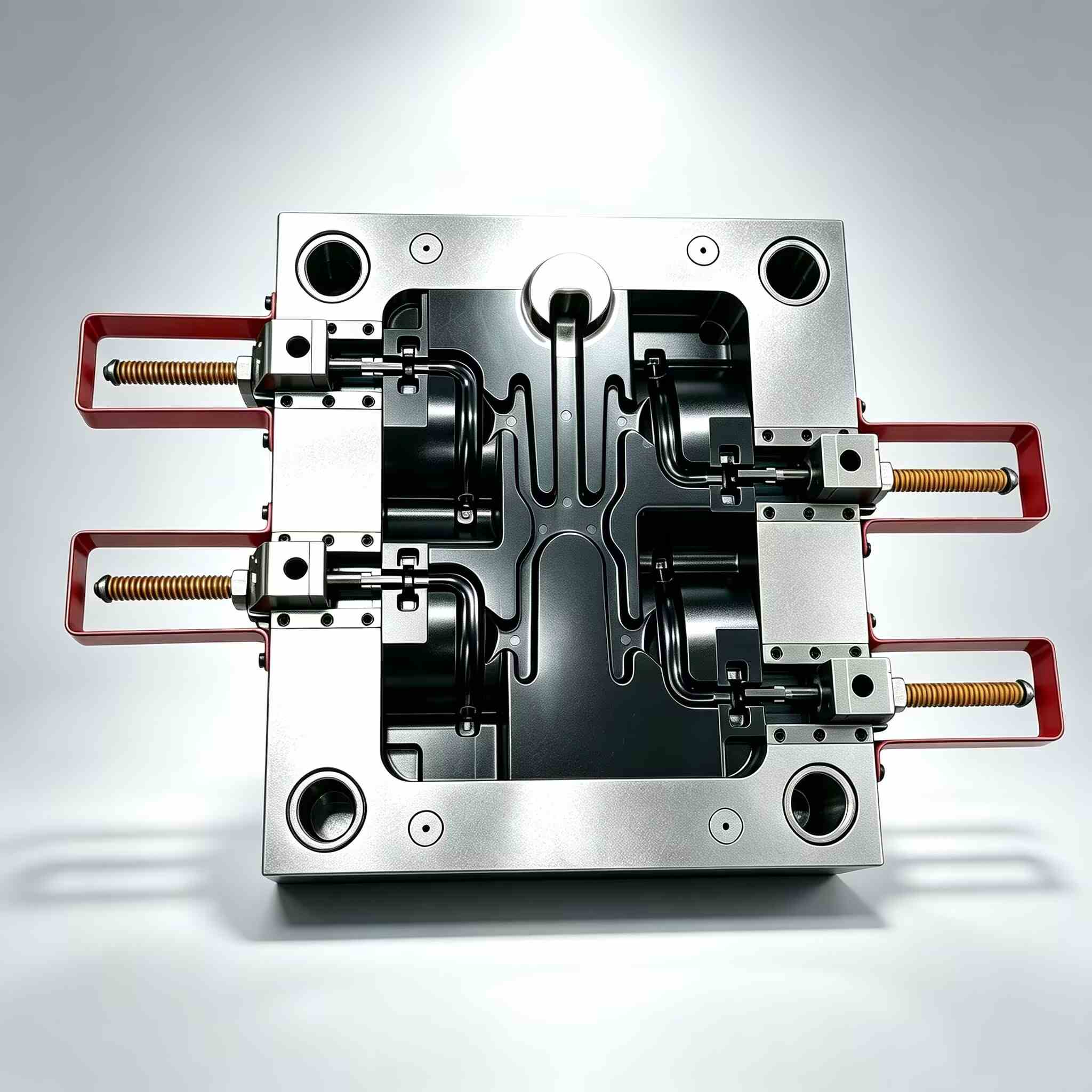
Quando si ha a che fare con clip o boss interni, il sollevatore per stampi diventa la soluzione meccanica più affidabile.
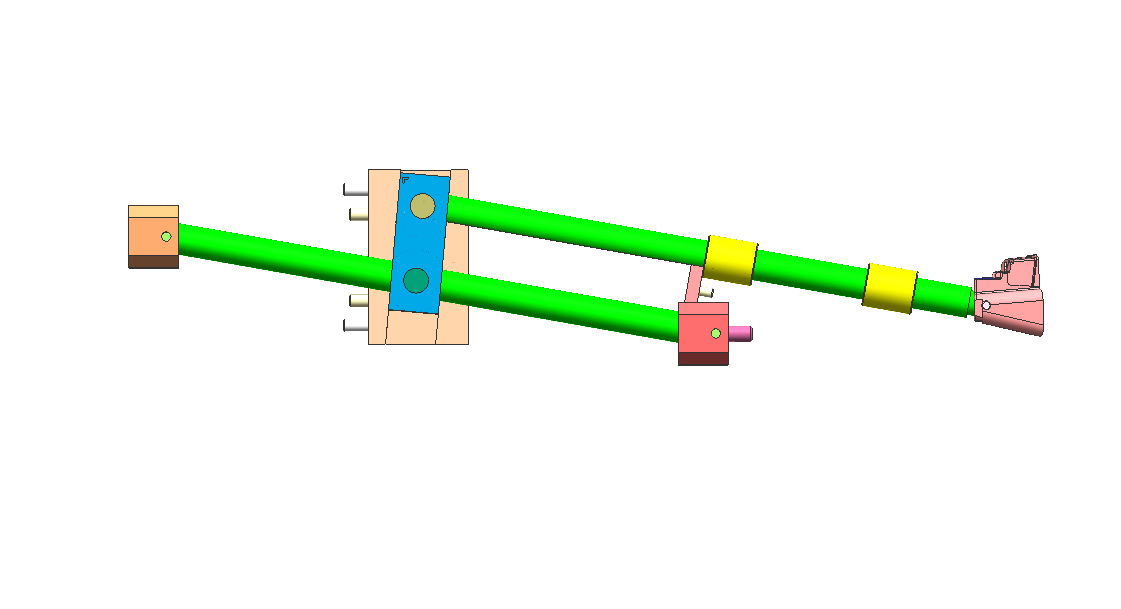
Un sollevatore per stampi non si muove come un cursore tradizionale. Il suo movimento è invece azionato dal sistema di espulsione.
Durante il ciclo di eiezione:
Questo movimento laterale, spesso chiamato “passo laterale”—è ciò che libera il sottosquadro.
Permetti sempre almeno 2 mm di corsa extra oltre la profondità di sottosquadro.
Qualsiasi valore inferiore aumenta il rischio di:
Uno dei più grandi errori di progettazione è quello di rendere l'angolo del sollevatore troppo ripido per risparmiare spazio.
Ad angolazioni più ripide:
Se il tuo progetto impone un angolo maggiore, considera:
Questi accorgimenti contribuiscono a ridurre lo stress sull'asta di sollevamento e a migliorarne la durata.
I sistemi di sollevamento funzionano secondo le seguenti condizioni:
La scelta del materiale sbagliato può portare a irritante, dove le superfici si saldano insieme e si rompono.
Per cicli di ciclo più rapidi:
Vantaggi:
Sostenere sempre la parte inferiore dell'asta di sollevamento con un blocco di guida.
Senza supporto:
L'attrito è il nemico di qualsiasi componente in movimento.
Buona prassi:
Eccezione:
La superficie di chiusura del sollevatore deve adattarsi perfettamente al nucleo.
Anche un spazio di 0,01 mm può causare:
La scelta tra un sollevatore e uno scorrevole dipende interamente dalla posizione del sottosquadro.
Un sollevatore per stampi è una delle soluzioni più efficienti per i sottosquadri interni, ma solo se progettato correttamente.
Controllando:
È possibile trasformare una funzionalità ad alto rischio in una meccanismo affidabile e ripetibile che mantiene la tua linea di produzione in funzione senza intoppi.
Hai bisogno di aiuto per ottimizzare il design del tuo stampo o per risolvere problemi di sottosquadri complessi?
Visita www.xinkeymould.com per ottenere supporto da esperti e migliorare le prestazioni dei vostri utensili.
Articoli correlati



Contattaci