

Parte CNC
Precisione Sub-Micron su richiesta. Forniamo lavorazioni CNC ad alta velocità sia per prototipi rapidi che per la produzione a basso volume. Utilizzando i nostri 19 centri CNC avanzati, trasformiamo progetti complessi in parti funzionali in metallo e plastica con MOQ zero. Che tu abbia bisogno di un pezzo di prova unico o di un lotto di 1.000, offriamo la precisione richiesta dal tuo progetto.
Prodotti
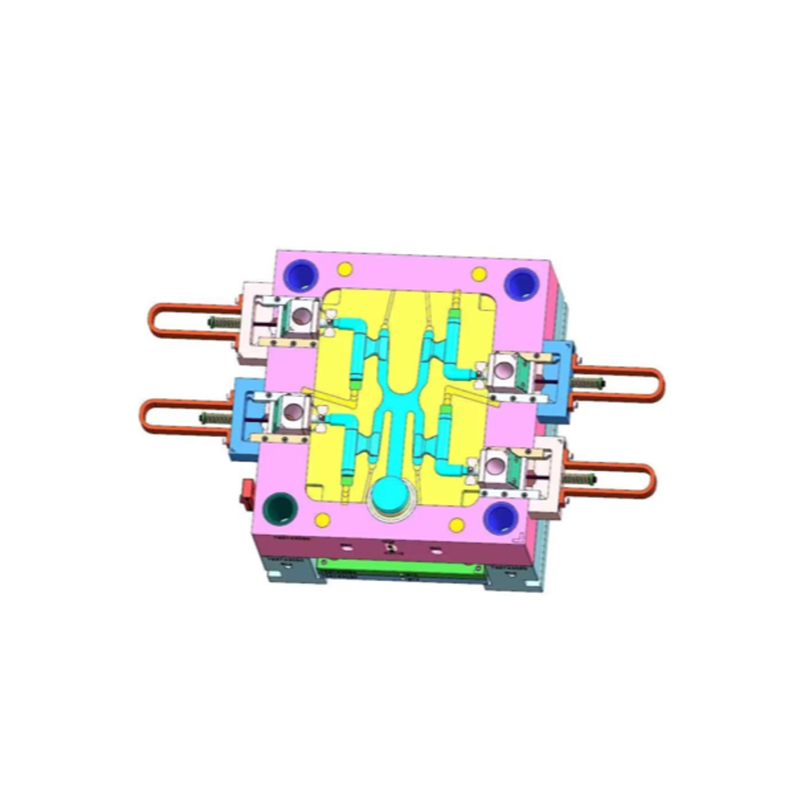
stampi di colata a pressione
Strumenti robusti per pezzi metallici pesanti. Siamo specializzati in stampi di pressofusione ad alta pressione per leghe di alluminio e zinco. Con 25 anni di esperienza, costruiamo stampi che costituiscono la spina dorsale affidabile della vostra produzione, progettati per resistere a stress termici estremi fornendo componenti metallici ad alta densità e privi di porosità.
Scopri di più
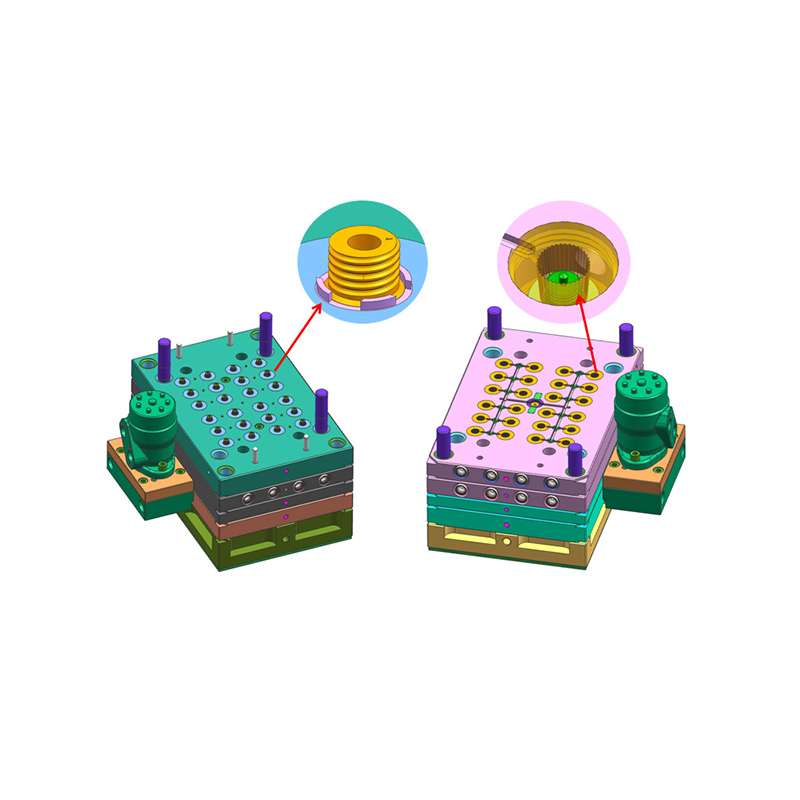
Filatura stampo
Automazione ad alta velocità per filetti complessi. Specializzata in sistemi di svitaglio a ingranaggi per filetti interni ed esterni. Trasformiamo complesse esigenze meccaniche in linee di produzione veloci e automatizzate al 100%.
Scopri di più

Muffa di bakelite
padroneggiare il calore. Non tutti i negozi possono gestire Bakelite (fenolico). Con 25 anni di esperienza al servizio di marchi come TeFaL, progettiamo utensili termorigidi specializzati che garantiscono estrema resistenza al calore e isolamento elettrico superiore.
Scopri di più
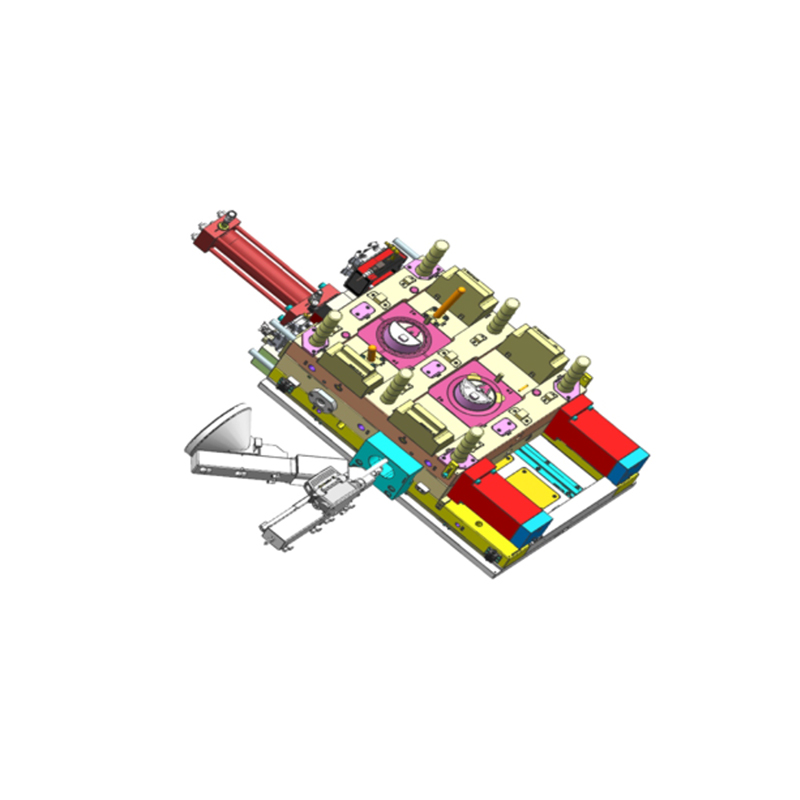
2K-stampo
La soluzione bi-iniezione definitiva. Combiniamo due materiali o colori diversi in una parte senza costure. La nostra tecnologia 2K elimina la necessità di assemblaggio secondario, risparmiando i costi di manodopera fornendo ergonomia premium e soft-touch.
Scopri di più
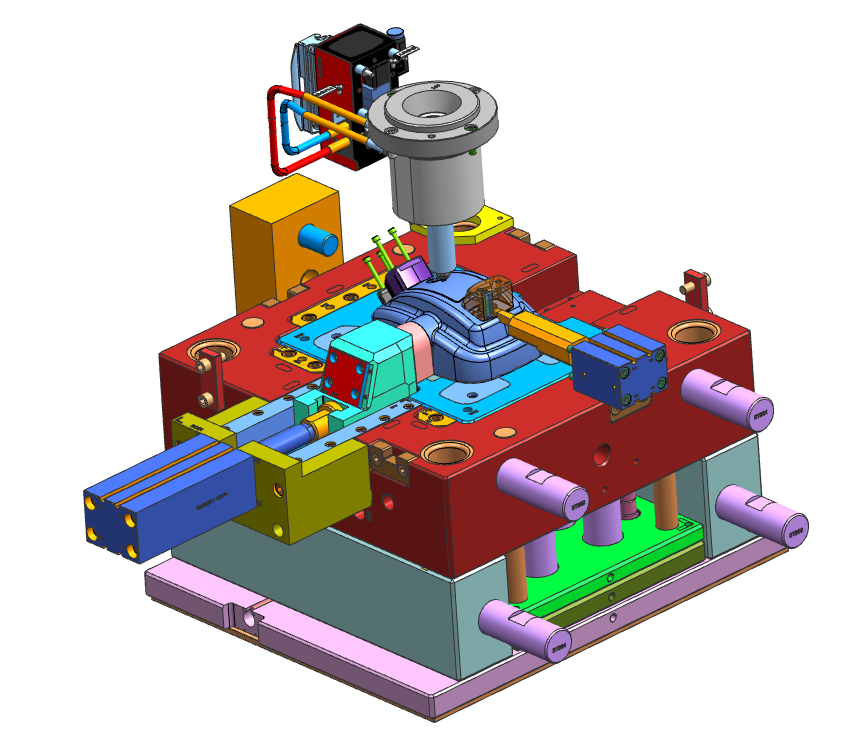
Inserisci lo stampo
Il meglio di metallo e plastica. Fusiamo inserti metallici ad alta resistenza con termoplastiche versatili in un colpo. Essenziale per l'elettronica, i sensori automobilistici e le parti che richiedono un rinforzo filettato pesante.
Scopri di più
Ultime notizie
- 29th May 2026
Why Product Development Teams Often Run Into Mold Problems — And How to Prevent Expensive Delays
In a lot of product development projects, most of the attention goes into the product itself — the appearance, functionality, electronics, and user experience.
That part usually moves fast.
The real problems often start later, when the design enters tooling and production.
The reason is simple:
Most product engineers are not mold engineers.
They may understand the product itself very well, but lack experience in injection mold structure design, tooling feasibility, and production-oriented plastic part optimization. As a result, many new products run into the same issues:
Product structures that are difficult to mold
Excessive undercuts and poor draft design
Sink marks and deformation after molding
Filling imbalance and short shots
Difficult mold release
Multiple mold modifications after T1 testing
Delayed product launch schedules
Rising tooling and development costs
In many cases, the mold becomes a troubleshooting process instead of a manufacturing solution.
That is exactly where professional mold engineering support becomes critical.
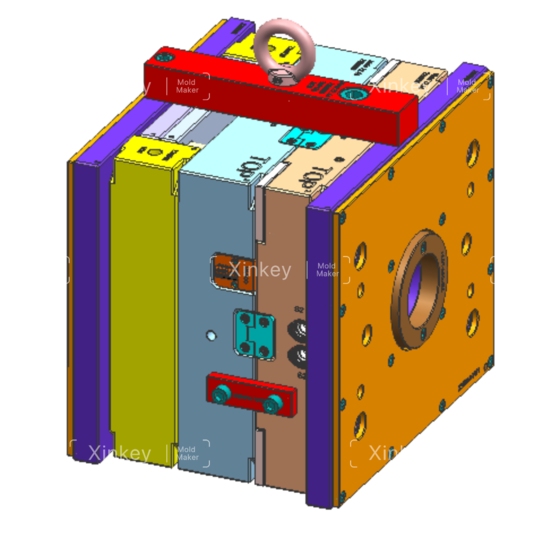
One-Stop Mold Engineering & Manufacturing Support
We provide a complete one-stop solution covering:
Product structure optimization
DFM analysis
Mold flow simulation
Full mold design
Mold manufacturing and trial molding
By combining product engineering and mold manufacturing into one integrated workflow, we help customers reduce development risks and move products into production faster.
1. Product Structure Optimization for Mass Production
A product design that looks good on the screen does not always work well in real production.
Many plastic parts are initially designed without considering:
Wall thickness consistency
Draft angle requirements
Rib structure limitations
Undercut feasibility
Gate position influence
Cooling deformation risks
These issues may not appear during CAD design, but they quickly become expensive during tooling and trial molding.
Our engineering team reviews the product structure before mold design begins.
Without changing the product appearance or functional requirements, we optimize the structure for injection molding production. This helps prevent common molding problems such as:
Sink marks
Drag marks
Warpage
Short shots
Stress marks
Poor demolding
Early optimization significantly reduces tooling rework and improves first-shot success rates.
2. Professional DFM Analysis (Design for Manufacturability)
Before tooling starts, we provide a complete English DFM report to help customers fully understand the manufacturability of the product.
The report includes:
Parting line suggestions
Gate location recommendations
Potential undercut analysis
Draft angle review
Risk areas for molding defects
Mold structure recommendations
Initial tooling concept proposals
Instead of discovering problems after steel cutting, customers can identify risks early and make informed decisions before production begins.
This shortens communication cycles and keeps project risks under control.
For overseas customers, especially startups and hardware companies without an internal mold engineering team, DFM analysis becomes an important bridge between product design and real manufacturing.
3. Mold Flow Analysis Before Tooling
One of the most expensive mistakes in mold manufacturing is discovering production defects after the mold is already built.
To avoid this, we perform mold flow simulation before tooling production.
Using injection molding simulation software, we can predict issues such as:
Weld lines
Air traps
Filling imbalance
Warpage
Cooling problems
Injection pressure risks
This allows us to optimize both the product structure and mold design before machining begins.
In many projects, mold flow analysis helps reduce repeated mold modifications and lowers the number of trial runs required.
For complex plastic parts, this step can save weeks of development time and significantly reduce overall tooling costs.
4. Full Standardized Mold Design Based on European Standards
A stable mold does not depend only on machining quality. The mold design itself determines long-term reliability.
Our mold design process follows European mold standards including:
HASCO standards
Meusburger standards
We provide complete mold engineering design including:
Parting structure design
Slider and lifter mechanisms
Hot runner systems
Cooling system layout
Ejection system design
Mold assembly structure
3D mold assembly files
2D machining drawings
Complete BOM lists
All drawings are standardized for efficient manufacturing, future maintenance, and long-term production stability.
This is especially important for customers requiring export-quality tooling and consistent production standards.
5. Mold Manufacturing, Trial Molding & Turnkey Delivery
Design alone is not enough.
A successful mold project also depends heavily on machining accuracy, assembly experience, and trial molding capability.
With our in-house mold manufacturing facility, we provide complete tooling production services including:
CNC machining
EDM processing
Mold assembly
Trial molding
Mold correction and optimization
Small batch production support
Customers do not need to coordinate with multiple suppliers for design, machining, testing, and modification.
Everything is managed through one integrated team.
This greatly improves communication efficiency and shortens overall project lead time.
Why Many Companies Choose External Mold Engineering Support
Many startups, product design firms, and small-to-medium hardware companies do not have an internal mold engineering department.
As a result, product teams often face challenges such as:
Not knowing whether the product can actually be molded
Difficulty evaluating mold supplier proposals
Repeated tooling modifications
Unclear root causes during testing
Long development delays
By working with an experienced mold engineering and manufacturing partner, these problems can be solved much earlier in the process.
We act as an external mold engineering extension of your development team — combining product optimization, mold engineering, and manufacturing into one complete workflow.
The Real Value of Integrated Mold Engineering
A good mold supplier does more than simply manufacture steel.
The real value comes from helping customers avoid manufacturing mistakes before they happen.
With integrated engineering and manufacturing support, companies can:
Reduce tooling risks
Shorten product development cycles
Improve first mold trial success rates
Lower modification costs
Accelerate mass production readiness
Achieve stable long-term production quality
For companies targeting European and international markets, standardized mold engineering is not just a quality advantage — it directly affects production stability, delivery timelines, and total project cost.
Looking for Injection Mold Engineering Support?
When developing new plastic products, many teams find themselves without sufficient in-house mold engineering capabilities — and that’s where we come in.
We offer a full range of one-stop injection molding services to guarantee smooth mass production. Our support spans every key stage: product optimization, DFM analysis, mold design and fabrication, as well as ongoing production assistance.
- 18th May 2026
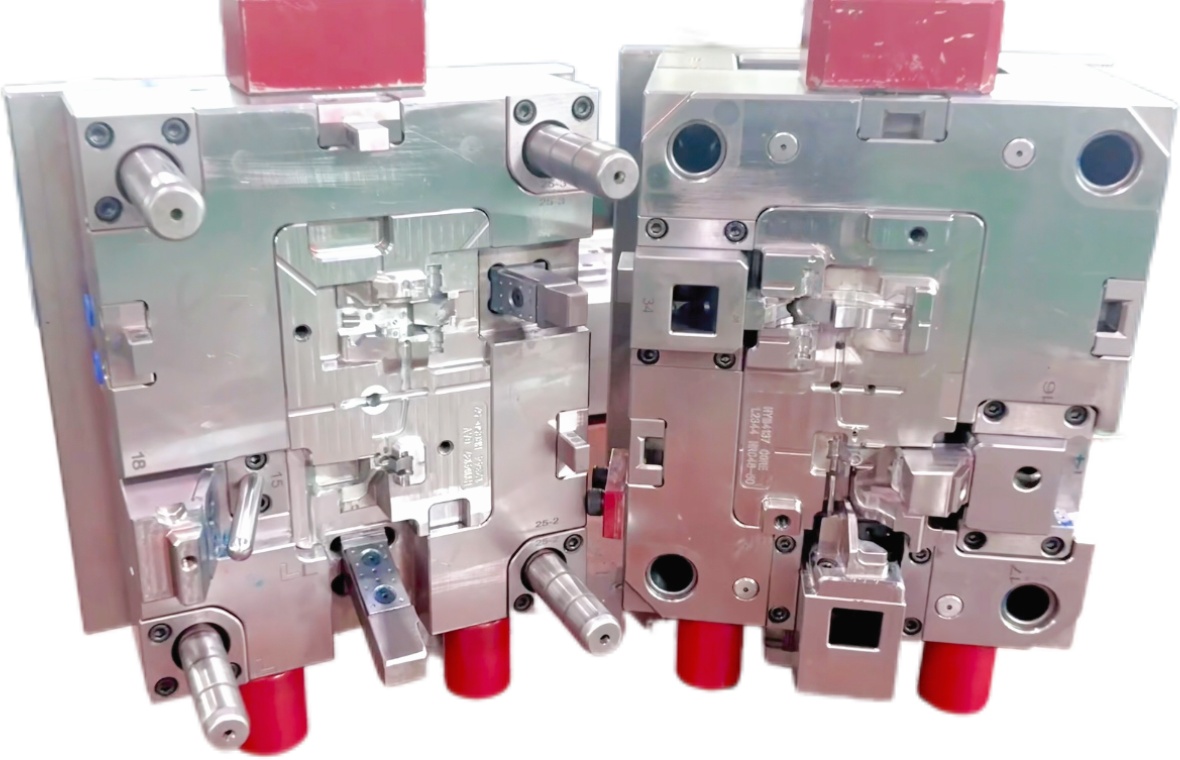
Beyond the Wave: How to Kill Flow Marks and Save Your Surface Finish
Flow marks in injection molding | Causes, troubleshooting, and prevention methods for improving cosmetic part quality
Let’s be honest: nothing kills a production run faster than flow marks.
You can have a part that hits every dimensional spec and fills perfectly, but if the surface is covered in wavy lines or ugly streaks, it’s headed straight for the scrap bin. In industries like automotive or consumer electronics, where “cosmetics” are everything, these ghost-like patterns are a total deal-breaker.
The most frustrating part? Flow marks are usually purely aesthetic. The part is structurally sound, yet it’s still a “reject” in the eyes of the client. If you’re tired of seeing your profit margins disappear into a pile of cosmetic scrap, you need to understand exactly why your melt front is struggling inside the tool.
What’s Actually Happening Inside the Cavity?
At its core, a flow mark is a permanent record of a “hesitant” melt front.
Think of the melt front as it hits the tool: that outer “skin” is in a constant race against the cold steel of the mold. If your flow is too sluggish or the heat isn’t there to back it up, that leading edge won’t glide—it “stutters.”
When the hotter resin behind it finally shoves forward, it leaves a permanent scar on the surface. That wavy line or ring-like pattern you’re seeing is essentially a visual map of a flow that was fighting for every inch.
It isn’t just an ugly defect; it’s a smoking gun that proves your material is losing the battle against the temperature of your tool.
In our experience, you’ll almost always find these marks in the same few trouble spots.
Common Flow Mark Locations
In most cases, flow marks appear near:
Gate areas
Thin-to-thick wall transitions
Sharp corners
Long flow paths
Areas with sudden flow direction changes
What Flow Marks Can Look Like
Depending on the material and mold structure, the defect may look like:
Ripple lines
Halo rings
Snake-like streaks
Gloss differences
Shadow marks
On glossy or dark-colored parts, flow marks are usually easier to notice.
Why Do Flow Marks Happen?
Everything in the press hinges on a delicate balance between how the melt flows and how the tool cools. The second that resin starts dragging or cooling down before it’s supposed to, you’re going to see the evidence in the surface finish immediately.
1. The Culprit: Sluggish Injection Speed
Usually, the first place we look is the fill speed.
If your injection is too slow, you’re basically losing a race against time. That leading edge of the plastic starts to stall out and firm up while the hotter material behind it is still trying to shove its way forward.
This creates a “stutter” effect at the flow front, leaving those tell-tale wavy ripples scarred into the surface of your part.
This is especially common in:
Thin-wall parts
Large flat surfaces
Long-flow molds
Solution
Increase injection speed gradually
Use multi-stage injection control
Maintain stable filling pressure
A faster and smoother filling process often reduces visible flow patterns significantly.
2. Melt Temperature Is Too Low
If the material temperature is insufficient, resin viscosity increases and flow resistance becomes higher. The melt cannot maintain a smooth surface while traveling through the cavity.
Low melt temperature often causes:
Uneven flow fronts
Surface streaking
Poor gloss consistency
Solution
Increase barrel temperature carefully
Verify actual melt temperature instead of only machine settings
Follow the resin supplier’s recommended processing range
Different materials react differently to heat. Engineering plastics usually require tighter temperature control than commodity resins.
3. Mold Temperature Is Too Cold
A cold mold surface causes the melt to freeze rapidly once it touches the cavity wall. The skin layer forms too early, interrupting smooth resin flow.
This issue commonly appears in winter production or molds with poor cooling balance.
Solution
Raise mold temperature
Improve temperature consistency between cavity sections
Use mold temperature controllers if necessary
For cosmetic parts, stable mold temperature is often more important than cycle speed.
4. Gate Design Problems
The gate is essentially the “throat” of your tool.
If it’s too tight or sitting in the wrong spot, the resin won’t glide into the cavity—it’ll stumble, creating a chaotic and unstable flow. Even worse, undersized gates act like high-pressure nozzles that “beat up” the material with excessive shear stress, leaving behind those nasty streaks that ruin your surface finish.
Common Gate-Related Issues
Gate too small
Incorrect gate position
Single gate on large parts
Sudden flow expansion after the gate
Solution
Increase gate size if possible
Relocate the gate to improve flow balance
Use multiple gates for larger parts
Optimize runner layout
Proper gate design improves both filling stability and cosmetic quality.
5. Wall Thickness Changes Too Quickly
When the melt flows from a thin section into a thicker area, the flow speed changes suddenly. This transition can disturb the surface appearance and leave visible flow lines.
Abrupt wall changes also increase cooling inconsistency.
Solution
Maintain uniform wall thickness
Use gradual transitions instead of sharp thickness jumps
Add proper radii to flow areas
Good part design reduces many molding defects before production even begins.
6. Poor Venting Inside the Mold
Trapped gas inside the cavity can interfere with melt flow. As air becomes compressed, the plastic front may hesitate or change direction slightly, leaving surface defects behind.
Although venting issues are more commonly linked to burn marks, they can also contribute to flow marks.
Solution
Clean blocked vents
Add additional venting where needed
Improve gas escape near end-of-fill areas
Proper venting supports smoother material flow throughout the cavity.
7. Material Moisture or Resin Problems
Some engineering plastics absorb moisture from the air quickly. Wet material can create unstable melt behavior during injection, affecting surface quality.
Inconsistent regrind ratios or contaminated resin may also increase flow defects.
Solution
Dry hygroscopic materials correctly
Monitor moisture levels
Keep material batches consistent
Reduce contamination risk during handling
Stable material quality is essential for stable molding results.
How to Troubleshoot Flow Marks Efficiently
When flow marks appear, avoid changing multiple parameters at once. Random adjustments usually make troubleshooting harder.
A better approach is to check the process step by step:
Confirm melt temperature
Verify mold temperature balance
Increase injection speed gradually
Check gate and runner condition
Inspect venting areas
Review wall thickness design
Evaluate resin condition
Process records from previous stable production runs can also help identify changes faster.
How to Prevent Flow Marks During Mold Design
Prevention is always cheaper than correction. Many flow mark problems begin during part design or mold development.
Recommended Design Practices
Use balanced runner systems
Maintain uniform wall thickness
Avoid excessive flow length
Design proper venting locations
Optimize gate position early
Consider cosmetic requirements during mold flow analysis
When aesthetics are non-negotiable, you’ve got to get ahead of the problem. Running a mold flow simulation early on isn’t just a luxury—it’s the best way to catch these surface headaches before you ever cut steel.
Trust me, it’s always cheaper to tweak a design on a screen than it is to weld and re-machine a hardened tool once it’s already on the floor.
The Reality: Don’t Just Settle for Scuff Marks
It’s tempting to brush off a flow mark as “just cosmetic,” but that’s a dangerous game. Those wavy patterns are usually the smoking gun of a process that’s fundamentally out of sync.
Whether you’ve got a temperature mismatch or a gate that’s just too tight, letting these “ghosts” haunt your parts is a surefire way to kill your margins with a mountain of rejected scrap.
The truth is, you’re never going to fix a surface issue by just turning one random dial on the press. Real quality is an all-or-nothing deal—you need the tool design, the fill balance, and the heat to all work in harmony.
Stop the guesswork, hunt down the actual root cause, and quit the “firefighting” once and for all.
That’s how you get back to stable, profitable production.
- 11th May 2026
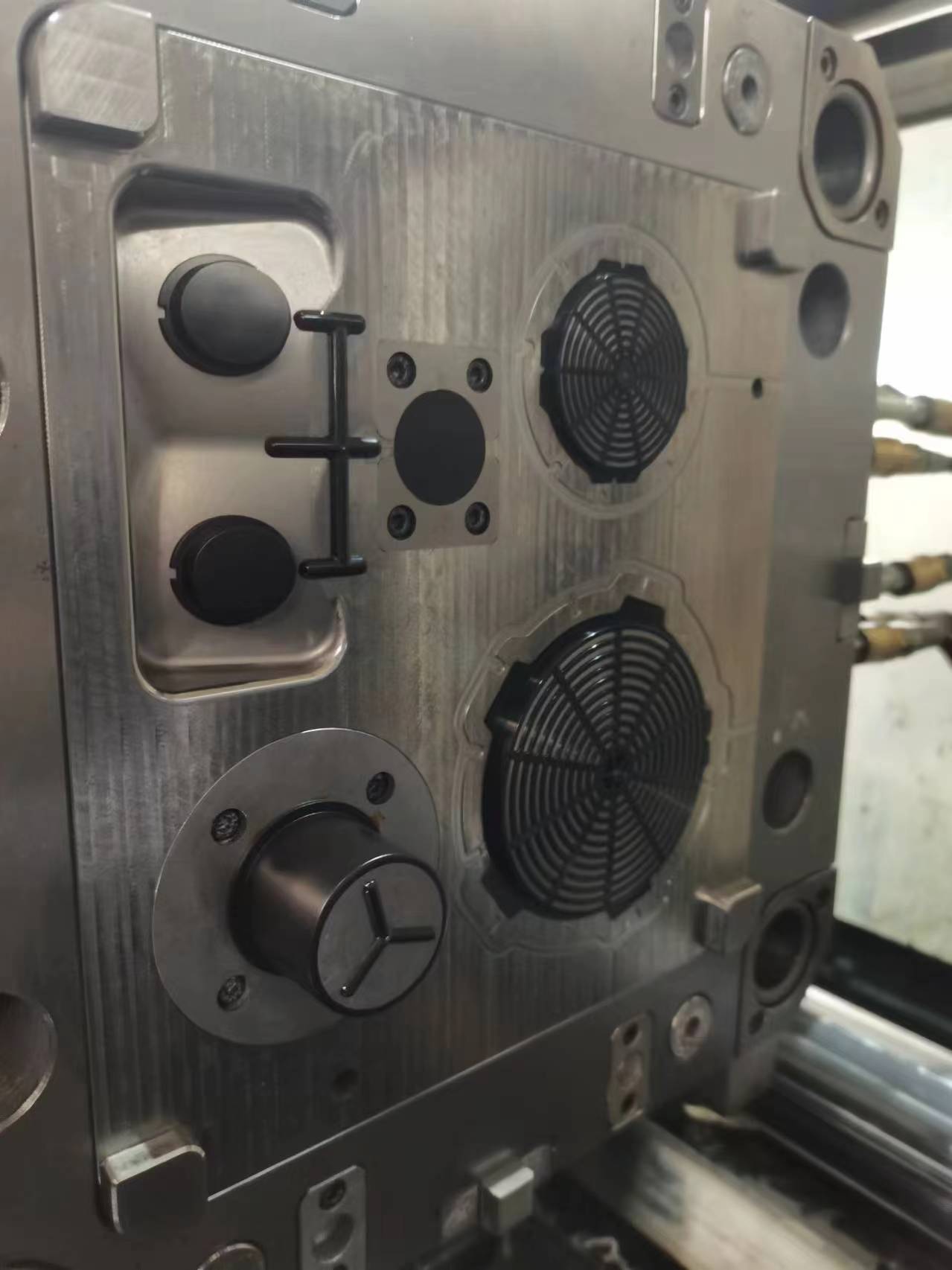
Injection Mold Short Shot Troubleshooting Guide
Introduction
Short shot is one of the molding problems most factories will eventually run into, especially when producing thin-wall plastic parts or components with long flow distances. Sometimes the molding process looks completely normal, but the parts coming out of the mold are still not fully formed. You may see missing edges, incomplete features, or areas where the plastic never reaches the end of the cavity. This kind of defect usually means the molten material lost its ability to flow before filling the entire mold. As the plastic cools, it starts to freeze inside the cavity, blocking the remaining sections from being filled. The finished part often cannot pass quality inspection because of appearance defects, dimensional inaccuracy, or poor fit during assembly.
In some production runs, short shots appear only occasionally. In others, they become a repeating defect that generates continuous scrap and disrupts stable production. Either way, they affect molding stability, waste raw material, and reduce overall production efficiency.
What makes short shot troubleshooting difficult is that the problem is not always caused by a single factor. The root cause can be related to mold structure, gate design, venting, material flow behavior, machine performance, or processing conditions. The issue may come from poor venting, improper processing parameters, mold structure limitations, material flow behavior, or insufficient machine performance. The issue may come from poor venting, improper processing parameters, mold structure limitations, material flow behavior, or insufficient machine performance.
In this article, we’ll look at the most common causes of mold short shots and the practical troubleshooting methods molders use to solve them on the shop floor.
What Is a Mold Short Shot?
A mold short shot occurs when injected plastic does not completely fill the mold cavity during the injection process.
The unfilled area may appear as:
Missing corners
Incomplete ribs or bosses
Thin sections not filled
Rounded or unfinished edges
Flow hesitation marks
Partially formed geometry
In severe cases, entire sections of the product may be absent.
Short shots are especially common in:
Thin-wall injection molding
Large surface-area parts
Long flow length designs
Multi-cavity molds
Engineering resin applications
Parts with poor venting systems
The defect usually develops because the melt front loses pressure, temperature, or flow momentum before the cavity is completely packed.
The 7 Most Common Causes of Mold Short Shot
1. Insufficient Injection Pressure
This is one of the first things technicians check. If injection pressure is too low, the melt simply cannot overcome the resistance inside the runner system and cavity. The plastic slows down before reaching the end of fill.
Typical signs include:
Consistent underfilling
Missing features at the flow end
Short shots in thin-wall areas
Parts improving temporarily when pressure increases
Common reasons behind low effective pressure:
Injection pressure setting too low
Pressure loss through long runners
Restrictive gates
Small nozzle diameter
Excessive flow resistance
Solutions:
Increase injection pressure gradually
Optimize gate dimensions
Reduce unnecessary flow restrictions
Verify machine pressure capability
Check for partially blocked nozzles or runners
2. Melt Temperature Too Low
The flow behavior of molten plastic is heavily affected by temperature. When the melt temperature is not high enough, the material becomes thicker and harder to flow through the runner system and cavity. As the plastic moves forward, it can cool down too quickly and begin solidifying before the cavity is fully filled.
Engineering materials such as PC, nylon, and flame-retardant resins are usually more sensitive to processing temperature changes, making them more likely to experience filling problems if the melt temperature is unstable or set too low.
Common symptoms:
Matte flow appearance
Hesitation marks
Short shots in long-flow regions
Higher injection pressure requirement
Solutions:
Increase barrel temperature zones carefully
Verify actual melt temperature, not only machine settings
Improve screw recovery consistency
Reduce excessive cooling near gates
Avoid overly cold mold temperatures
3. Poor Mold Venting
Many short shot problems are actually air problems. When molten plastic enters the cavity, the trapped air must escape quickly. If venting is insufficient, compressed air creates resistance against the incoming melt front. In some cases, trapped gas pressure becomes strong enough to stop filling entirely.
Poor venting often causes:
Burn marks near end-of-fill
Random short shots
Inconsistent filling behavior
Gas traps
Gloss variation
Areas commonly lacking venting:
Deep ribs
Thin sections
End-of-fill regions
Slider shut-offs
Around inserts
Solutions:
Add or deepen vents properly
Improve parting line venting
Use vent pins where necessary
Clean blocked vent channels
Reduce trapped air pockets during mold design
Good venting is one of the most underestimated factors in injection molding stability.
Mold Short Shot Troubleshooting Flow
When diagnosing a short shot issue, experienced molders usually follow a logical sequence instead of changing random settings.
Step 1: Verify Material Supply
First confirm:
Hopper feeding correctly
No bridging inside hopper
Proper resin drying
Correct material loaded
No contamination
Sometimes the “short shot” is simply inconsistent material feeding.
Step 2: Check Fill Percentage
Run a short-shot study by gradually reducing fill until the flow pattern becomes visible. This helps identify:
Flow hesitation zones
Air traps
Pressure loss regions
Weld line formation
Gate balance issues
A controlled short-shot study often reveals more than trial-and-error adjustments.
Step 3: Analyze Gate and Runner Design
Undersized gates are a common hidden cause. If the gate freezes too early, the cavity loses packing pressure before complete filling occurs.
Review:
Gate size
Gate location
Runner diameter
Runner balance
Flow length-to-thickness ratio
Step 4: Evaluate Machine Capability
Sometimes the process is asking more than the machine can deliver.
Check:
Maximum injection pressure
Injection speed capability
Shot size utilization
Screw diameter suitability
Cushion stability
Machines operating near their maximum capacity often struggle with consistent fill performance.
Step 5: Inspect Mold Temperature Distribution
Uneven cooling can create localized freezing before the cavity fills completely.
Pay attention to:
Thin-wall areas
Long flow paths
Areas far from gates
Cooling line imbalance
Cold spots near inserts
Thermal imaging can sometimes expose hidden temperature imbalance inside the mold.
How Part Design Contributes to Short Shots
Not every short shot is a processing issue. Sometimes the product geometry itself creates impossible flow conditions.
Common design problems include:
Excessively thin walls
Long flow paths
Sudden thickness changes
Sharp corners
Poor gate placement
Materials Most Sensitive to Short Shot Problems
Higher-risk materials include:
Polycarbonate (PC)
Nylon (PA)
PPS
LCP
Flame-retardant compounds
Glass-filled materials
These materials often require:
Higher melt temperatures
Faster injection speeds
Better venting
Optimized gate design
Precise mold temperature control
Preventing Mold Short Shot Before Production
During mold design, engineers should evaluate:
Flow length-to-thickness ratio
Gate position
Venting strategy
Runner balance
Cooling efficiency
Material flow characteristics
Mold flow analysis can help predict filling issues early, especially for complex or thin-wall parts.
Practical Shop Floor Tips
Experienced technicians often use these methods:
Increase injection speed before increasing pressure
Raise mold temperature slightly for thin-wall parts
Monitor cushion consistency closely
Check vent cleanliness during maintenance
Avoid excessive regrind ratios
Confirm actual melt temperature using a melt probe
Reduce unnecessary flow restrictions inside runners
Conclusion
A mold short shot is rarely a random defect. It is usually a signal that something inside the molding system is restricting flow, losing pressure, trapping air, or freezing the material too early.
The real challenge is identifying where the restriction begins.
In some cases, increasing the injection speed is enough to solve the problem. But for more difficult situations, the fix may involve modifying the gate size, improving mold venting, changing part wall thickness, or checking whether the machine has enough injection capacity for the application.
Effective troubleshooting in injection molding is not about randomly changing settings. It comes from understanding how melt flow, cavity pressure, material temperature, and cooling behavior work together during the filling process. Once you understand that relationship, short shots become much easier to predict—and prevent.
- 6th May 2026
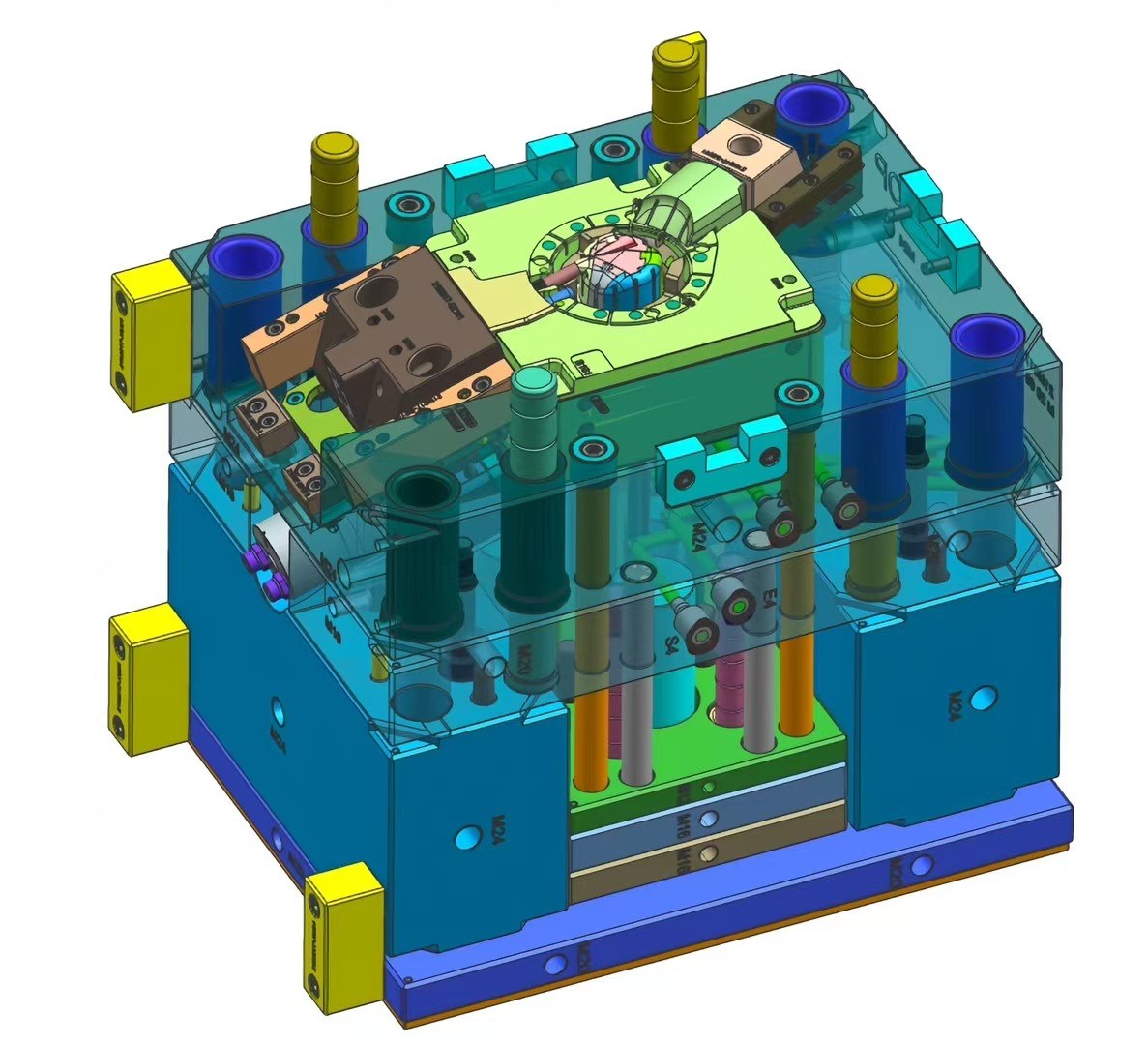
The Engine of the Cycle: A No-Nonsense Guide to Mold Cooling Design
Introduction
Let’s be real: cooling isn’t just a “phase” of the injection molding cycle; it is the cycle. It usually eats up 60% to 80% of your total time on the press.
If your cooling system is an afterthought, you’re essentially leaving money on the table every time the mold opens. A well-engineered system is the difference between a high-speed production run and a “scrap-making machine” that produces warped, inconsistent parts.
Why Cooling is the “Heartbeat” of the Tool
Molds need to breathe—plain and simple. You’re forcing 250°C liquid into a tool and expecting it to become a rock-solid part almost instantly.
But if that cooling isn’t perfectly balanced, you’re in for a headache. One side freezes, the other pulls, and suddenly your precision part is curling like a potato chip.
If you’re chasing dimensional stability, you can’t just ‘hope’ for even cooling; you have to engineer it into the foundation of the tool.
Every second you shave off that cooling cycle by optimizing your “hot spots” is a direct injection of profit into the life of the mold.
Layout Strategy: Don’t Just Drill Holes
The goal is simple but tricky: get the water as close to the cavity as you dare without compromising the structural integrity of the steel.
The “Golden Rule”
We generally try to keep the center of the cooling lines about 1.5 to 2 diameters away from the cavity surface.
Too far, and the heat lingers; too close, and you risk a catastrophic “blowout” under the pressure of the injection.
Contouring is King
For flat panels, a basic grid works fine. But for complex 3D shapes, your cooling lines need to mimic the part’s geometry.
If the part is complex, don’t be afraid to look at Conformal Cooling (3D printed inserts).
Look, the upfront cost for conformal cooling is steeper, but it’s the only real way to kill those ‘unsolvable’ hot spots that a traditional drill bit just can’t touch.
It’s about eliminating the bottleneck before it eats your profit.
The Speed of the Flow
Don’t just turn on the water and assume the tool is cooling.
It’s not just about flow; it’s about turbulence. You need to hit a Reynolds number over 4,000 to actually scrub the heat off the steel.
If that coolant is just ‘lazy-rivering’ through the lines, it’s not doing its job—you’re basically just circulating lukewarm water while your cycle time suffers.
Getting into the “Dead Zones”
Deep cores and tight pockets are a cooling nightmare because you can’t just drill a straight hole into them. You’ve got to get creative with your plumbing:
Bubblers
For those deep, skinny cores where a standard drill bit is useless, we rely on Bubblers.
You’re basically sticking a tube up a blind hole to spray water directly at the ‘hot spot’ at the very tip.
The coolant hits the top and tumbles back down around the outside of the tube.
It’s the only real way to stop those narrow features from turning into heat traps that bake your plastic and ruin the cycle.
Baffles
Then you’ve got Baffles. These are essentially metal dividers you drop into a cooling line to stop the water from taking the ‘easy way out.’
By forcing the coolant to snake and churn around a curved blade, you’re maximizing its contact with the hot steel.
It’s all about making sure the water actually spends enough time ‘scrubbing’ the heat off the mold before it heads for the exit.
A Hard Truth from the Floor
If you can’t pull these inserts out to clean them, you’re in trouble.
Over time, mineral scale and gunk will calcify inside these lines.
If you don’t design them for easy maintenance, you’ll watch your cycle times slowly creep up month after month as the ‘veins’ of your tool get clogged.
Don’t wait for a total blockage to realize you should have made them easier to scrub.
Optimization: Stop the Guesswork
Don’t wait until the mold is on the press to find out it’s running hot.
Simulate it first
Use mold flow analysis to hunt for “hot spots” before you ever cut a piece of steel.
It’s a lot cheaper to move a cooling line on a screen than it is to weld and re-drill a hardened cavity.
Watch the “Delta T”
In production, monitor the temperature difference between your inlet and outlet.
If you’re seeing a jump of more than 3°C to 5°C, your circuit is unbalanced.
One side of your mold is working too hard while the other is coasting.
Water Quality is a Tooling Issue
Scale buildup inside your lines is like high blood pressure for your mold.
Use treated water to prevent algae and mineral deposits.
If your lines get “clogged,” your heat transfer efficiency drops off a cliff.
The Bottom Line
Your cooling system is the “engine” that drives your cycle time.
Treat it like a secondary plumbing job, and you’ll pay for it in long cycles and warped parts.
Treat it like a precision-engineered thermal management system, and you’ll have a tool that runs fast, stays stable, and makes money.
Practical Takeaway
Invest in the cooling design during the CAD phase.
Shaving two seconds off a 20-second cycle might not sound like much, but over a million shots, that’s 550 hours of machine time you just handed back to your bottom line.
- 5th May 2026
Choosing the Right Mold Steel: A Practical Guide to Cost, Performance, and Tool Life
Choosing your mold steel isn’t just a technical box to check; it’s a high-stakes financial decision. The steel you pick dictates how long the tool lasts, how fast it cools, and—most importantly—how much you’re going to spend on maintenance down the road. You’re essentially balancing the “cost of the block” against the “cost of the millionth part.”
Here is how we look at steel selection on the shop floor.
1. P20: The Industry Workhorse
If you’re running a general-purpose project with a production volume under 500,000 shots, P20 is usually your best friend.
The beauty of P20 (1.2311 or 1.2312) is that it comes pre-hardened. You can machine it, sink your EDM, and it’s ready to go without a trip to the heat treater. This saves you weeks in lead time and keeps your upfront costs down. It’s tough enough for most consumer goods and electronics, but don’t expect it to hold a perfect mirror finish forever. It’s also prone to rusting if you’re in a humid environment or running “sweaty” cooling lines, so keep it oiled.
2. H13: The Heavy Hitter for High Volume
When you’re looking at millions of cycles—or you’re running abrasive resins at high speeds—you need to step up to H13.
Unlike P20, H13 is a “hot-work” steel. We machine it while it’s soft (annealed), then send it out for heat treatment to reach 44–52 HRC. This makes the cavity surfaces incredibly durable and resistant to “heat checking” (those tiny cracks that form after thousands of thermal cycles). Yes, it’s more expensive, and yes, the lead time is longer because of the hardening process, but it’s the only way to ensure the tool doesn’t fall apart before the project hits its ROI.
3. Stainless Steel: The Solution for “Nasty” Resins
If you’re molding PVC, flame-retardant materials, or anything that releases corrosive gases, 420 Stainless Steel (1.2083) is non-negotiable.
Regular tool steels will literally start to rot or “pit” when exposed to the acidic gasses released during the melt. Stainless steel is a nightmare to machine compared to P20, and it’ll cost you more upfront, but it’s the only way to avoid a scenario where your cavity finish is ruined after just a few weeks of production. It’s also the gold standard for medical and food-grade parts where cleanliness is everything.
4. Specialty Grades: S7 and Beryllium Copper
Sometimes, standard steel just doesn’t cut it.
S7 (The Tough Guy)
If your mold has thin, fragile shut-offs or is prone to “cold-start” impacts, S7 is your insurance policy. It’s incredibly shock-resistant—it’ll bend before it chips.
Beryllium Copper (The Heat Sink)
If you have a “hot spot” in your part that just won’t cool down, don’t use steel. We use Beryllium Copper inserts because they pull heat away three to five times faster than steel. It’s expensive and soft, but it can shave 5 or 10 seconds off a cycle time, which pays for itself in a month.
5. Aluminum: For the “I Need It Yesterday” Crowd
7075 Aluminum is great for prototypes or low-volume runs (under 10,000 shots). It’s lightning-fast to machine and pulls heat away beautifully. Just don’t expect it to hold tight tolerances for long, and definitely don’t try to run glass-filled nylon through it unless you want the cavity to look like it was hit with a sandblaster.
The Practical Takeaway: Match the Steel to the Life of the Part
The biggest mistake you can make is “over-speccing” a tool. You don’t need H13 for a 20,000-part test run, and you shouldn’t trust P20 for a 10-year automotive contract.
My Advice:
Know your volume: Be realistic about how many parts you’re actually going to make.
Look at your resin: If it’s abrasive or corrosive, let the material dictate the steel.
Talk to your mold maker early: We know which steels “behave” during machining and which ones are prone to cracking during heat treat.
At the end of the day, the incremental cost of better steel is a drop in the bucket compared to the cost of a tool that fails in the middle of a production rush.
- 4th May 2026
Injection Mold Troubleshooting: Solving 12 Common Problems
Introduction
Look, we’ve all stood by the press watching a bin fill with scrap and felt that exact same frustration. Whether you’re fighting a short shot that won’t fill or a burn mark that just won’t quit, troubleshooting is where the real work happens.
You can’t just cross your fingers and hope the machine fixes itself; you have to figure out exactly why the physics of the mold are fighting you today.
But here is the secret—most defects aren’t “mysteries.” They are the result of physics being ignored.
To save your uptime, you need to stop guessing and start diagnosing.
Here is how to tackle the most common headaches on the production floor.
1. The Frustration of Short Shots
A short shot is exactly what it sounds like: a cavity that just won’t fill. If you’re looking at a partial part, you’re essentially losing the race against the “freeze.”
What’s happening?
When you’re staring at an incomplete part, you’re basically losing a race against the material’s freeze point.
Most of the time, the melt is behaving like cold molasses, or your injection pressure is hitting a wall of resistance—it just can’t climb.
But don’t overlook the air—if it’s trapped in a dead-end pocket with no way out, there’s simply no room for the plastic to enter, period.
The Fix
Before you start blindly cranking up the pressure, take a hard look at your heats.
If the resin is fluid enough, go hunt for gunked-up or blocked vents.
If you’re still coming up short after that, you’re likely looking at a design flaw—that gate might just be way too tight for the resin you’re trying to push through it.
2. Dark Scorch Marks (The Diesel Effect)
Those ugly black streaks at the end of the fill path are almost always “burn marks.”
In the shop, we call this the diesel effect because you’re essentially creating a miniature combustion engine inside the tool.
The Culprit
Air is getting trapped, compressed, and heated to the point where it literally chars the plastic.
This usually happens because the injection speed is too aggressive or the venting is nonexistent.
The Fix
Slow down the injection speed during the final stage of the fill to let the air escape.
If that doesn’t work, you need more vents (or deeper ones) exactly where that burn is appearing.
3. Sink Marks: The Nemesis of Thick Parts
Sink marks are those irritating dips that always seem to haunt the thickest areas of your part, like ribs or bosses.
It really boils down to a lack of “feed.”
If you don’t shove enough extra plastic into the cavity during the packing stage, the molten core will actually tug the surface inward as it cools and shrinks.
You’re essentially watching the part cave in on itself because it didn’t have enough material to fill the volumetric void left by the cooling process.
The Fix
You need more “pack and hold.”
Increase your holding pressure or extend the hold time.
Also, take a look at your cooling—if the core is staying too hot, the sink will never go away.
Long term? Redesign the part with more uniform wall thicknesses.
4. Warpage: The “Potato Chip” Effect
There is nothing worse than a part that looks perfect in the mold but curls like a potato chip once it hits the bin.
The Root Cause
This is almost always a result of “differential shrinkage.”
If one side of the part cools faster than the other, the internal stresses will pull it out of shape.
It can also happen if your packing pressure is so high that you’re locking stress into the molecular structure.
The Fix
Balance your cooling.
Check the inlet/outlet temps on both halves of the mold.
You want the part to cool as uniformly as possible.
If the part is still twisting, try backing off the pack pressure or adjusting the mold temperature to relieve that internal tension.
5. Flash: Plastic Looking for an Exit
Flash is that paper-thin “wing” of plastic leaking out at the parting line.
Flash is more than just a messy waste of resin—it’s a tool-killer.
When you see plastic blowing past the parting line, you’re usually looking at a power struggle between injection pressure and clamping force.
Most of the time, either the press doesn’t have the muscle to keep the halves shut, or your shut-off surfaces have finally been beaten out of alignment after a few thousand too many cycles.
Whatever the cause, it’s a red flag that you’re either overpowering the machine or your tool needs a serious regrind.
The Fix
First, dial back the injection pressure and velocity.
If the mold is still “opening” under pressure, check your clamp settings.
If the tool itself is worn, it’s time to pull it for a regrind of the shut-off surfaces.
Conclusion
Injection mold troubleshooting isn’t about luck.
Most molding defects are simply the visible result of heat, pressure, flow, and cooling falling out of balance.
Once you understand the physics behind the defect, the solution usually becomes obvious.
Stop guessing. Start diagnosing.
Il nostro Servizio

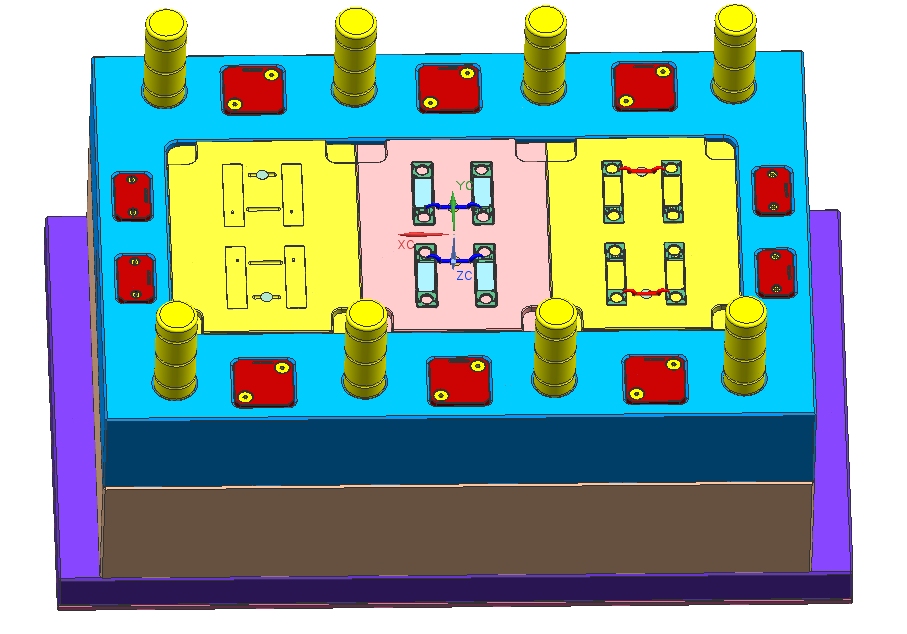
Rapporto di analisi del flusso di stampo
Utilizziamo il software MF(MPI) per analizzare il riempimento, la pressione e la deformazione. Imitiamo il processo di riempimento per scoprire cosa accadrà probabilmente durante il processo di stampaggio,Il materiale ABS / PC Fibra di vetro riempito è scelto come uno dei simili nella lista dei materiali del software poiché non c'è lo stesso materiale di ABS / PC Fibra di vetro riempito in esso.
Può essere un po 'diverso tra il rapporto di analisi e il risultato effettivo, ma la tendenza potrebbe essere la stessa.
Scopri di più

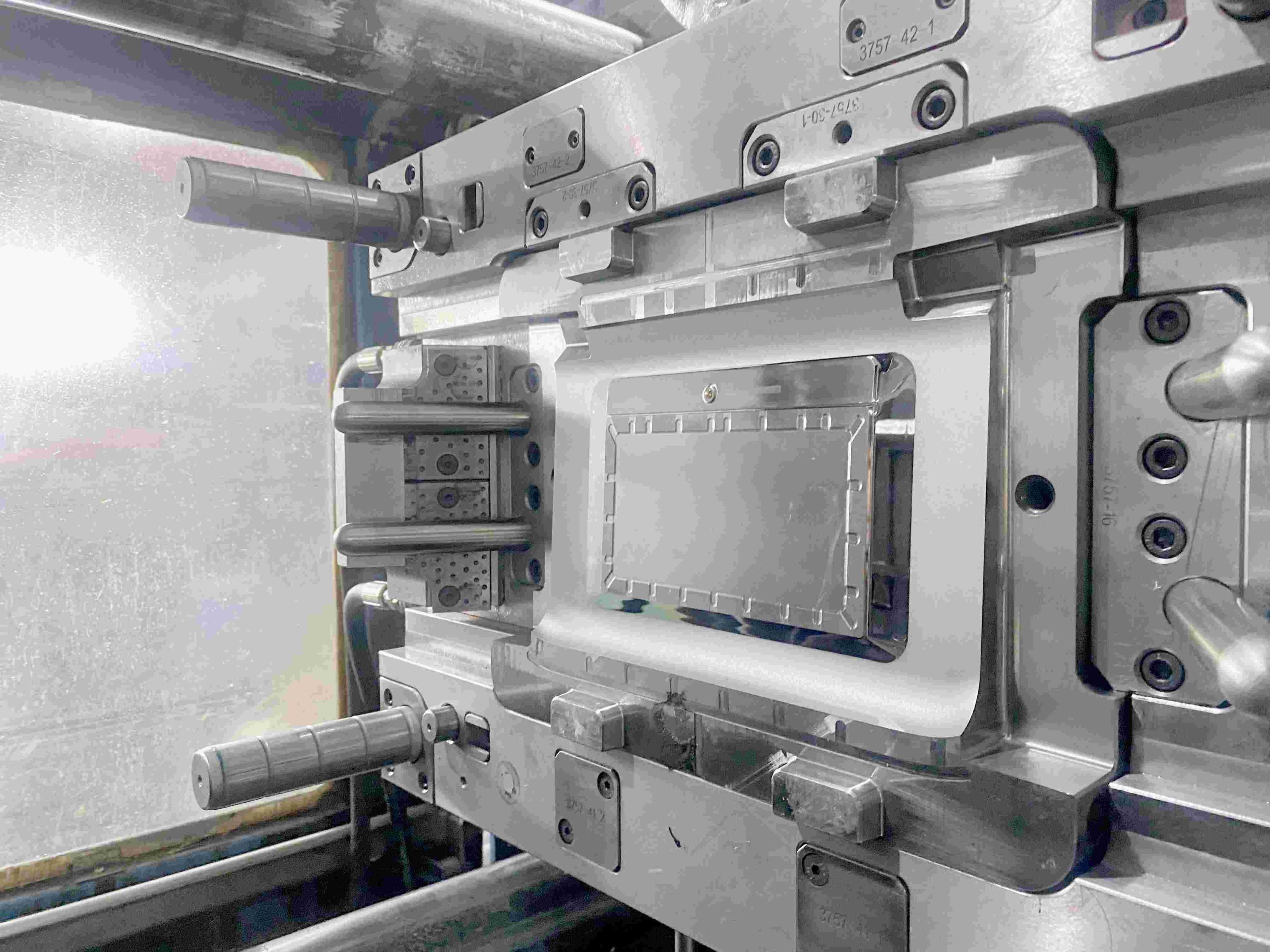
Scalare la produzione con stampi a pail da 750T ad alta efficienza
L'obiettivo era quello di ridurre il tempo di ciclo per un bidone industriale pesante da 20 litri. Utilizzando la nostra capacità di stampa da 750T e ottimizzando la geometria di raffreddamento dello stampo, siamo stati in grado di ridurre del 15% il tempo di ciclo standard. Questa soluzione ad alta velocità a parete sottile ha consentito al cliente di aumentare significativamente la propria produzione giornaliera, garantendo al contempo che ogni secchio rimanesse impilabile e a prova di perdite.
Scopri di più
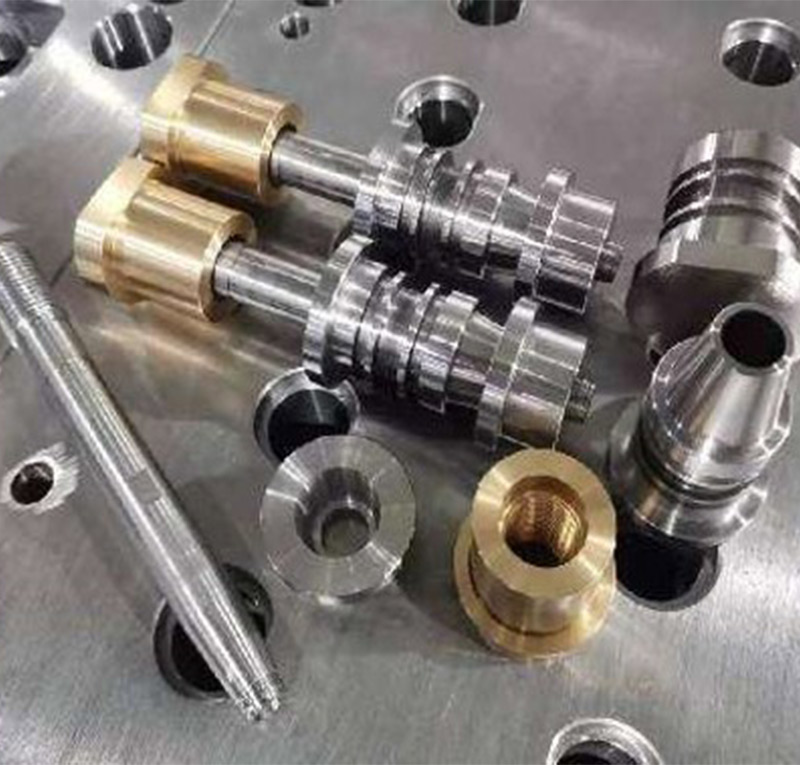
Prototipazione rapida & Lavorazione a basso volume (±0.005mm)
Quando un millimetro è un miglio, i nostri 19 centri CNC avanzati consentono la precisione richiesta. Forniamo un ponte tra il vostro concetto iniziale e la produzione di massa attraverso fresatura ad alta velocità, tornatura e EDM. Che si tratti di un prototipo funzionale unico in 3-5 giorni o di una produzione a basso volume con MOQ zero, manteniamo tolleranze strette fino a ±0,005mm. Lavoriamo con oltre 50 metalli e plastiche di qualità industriale, garantendo che le tue parti si uniscano perfettamente senza interruzioni, lampeggi o la necessità di costose rielaborazioni.
Scopri di più

Design for Manufacturing (DFM): Intelligenza prima della produzione
Gli errori più costosi sono quelli fatti sulla carta. Il nostro team di 22 progettisti interni agisce come backend di produzione dedicato, eseguendo un audit approfondito su ogni file CAD. Forniamo analisi DFM e simulazioni Moldflow gratuite per catturare trappole d'aria, restringimento e deformazione prima di toccare l'acciaio. Ottimizziamo i vostri progetti per l'efficienza produttiva, riducendo i tempi di ciclo ed eliminando i rischi di produzione in anticipo. In Xinkey, facciamo il pensiero pesante in anticipo in modo che la transizione dal disegno 3D alla parte finita sia fluida, rapida ed economica.
Scopri di più

Fabbricazione di stampi ad alte prestazioni: costruita per la produzione scalabile
Non solo “ taglio in acciaio” Costruiamo attività produttive a lungo termine. Con oltre 25 anni di esperienza in fabbrica, Xinkey è specializzata nella progettazione e fabbricazione di stampi complessi e ad alta durata. Se avete bisogno di uno stampo a iniezione di plastica standard, di uno strumento di pressofusione pesante o di sistemi specializzati come la svettatura automatica (filettatura) e la bi-iniezione 2K, garantiamo che la vostra attrezzatura sia “ pronto per la produzione” dal primo colpo. Costruiamo i nostri stampi per resistere a milioni di cicli, mantenendo una precisione sub-micron e una qualità costante durante tutta la vita del vostro progetto.
Scopri di più



Contattaci