Injection Mold Manufacturing Costs A Complete Guide
Injection Mold Manufacturing Costs: A Complete Guide
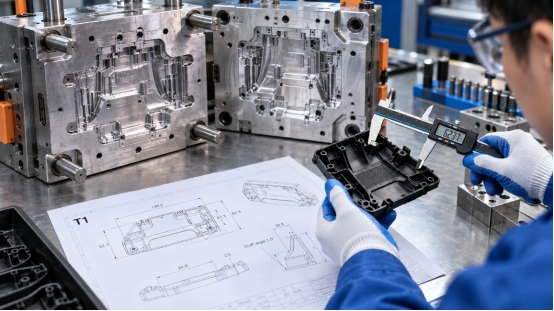
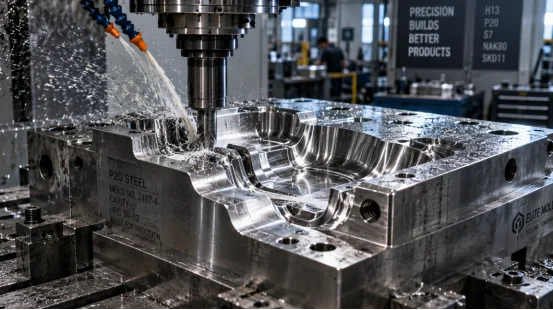
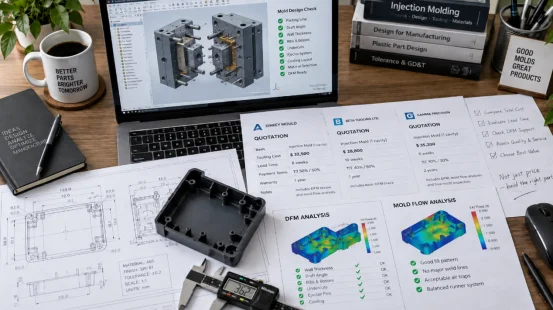
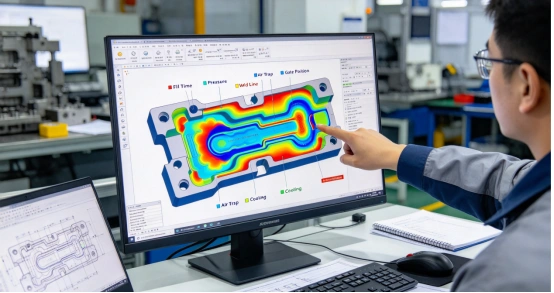
The cost to work with an injection mold manufacturer ranges from a few thousand dollars for a prototype tool to tens of thousands for complex production molds. A published tooling cost survey places basic aluminum tooling near $3,000 and machined steel tooling at $20,000 or more. Geometry, resin, cavity count, tool life, and production plan decide the quote. A quote separates tooling from recurring molding costs. What Does an Injection Mold Project Usually Cost? Your project cost covers engineering, fabrication, and validation. Ask each layer. A Practical Cost Range For a straightforward enclosure, a basic mold may sit in the low-thousands. Complex tooling with actions, inserts, tight tolerances, or many cavities can reach $20,000 to $50,000. Size adds steel and machining hours. Precision adds inspection and EDM work. Tool life determines the steel and heat-treatment plan. Why Quotes Vary Suppliers quote differently when steel, cooling, runners, inspection, revisions, DFM, Moldflow, or T1 scope differs. Your production volume changes the economics. A 7075 aluminum mold suits a prototype or a run under 10,000 shots; long-life steel spreads its higher starting cost across more parts. Which Costs Are Included in a Mold Quote? A reliable quotation follows the project path from product design to mass production. DFM and Engineering DFM checks wall thickness, draft, parting lines, gates, undercuts, and ejection before steel machining. Moldflow analysis simulates filling, pressure, weld lines, air traps, and deformation, helping you find likely problems while the CAD model remains easy to change. Tooling and Machining CNC forms most cavities and plates. Complex details may need EDM, wire cutting, grinding, and fitting. Simple molds take two to four weeks; complex tooling often needs six to eight. The quote should identify the mold base, steel, runner system, actions, cooling, ejection, and surface finish. These items make a quote easier to audit. Sampling and Production Validation T1 sampling reveals tool behavior with real resin and machine settings. Budget for inspection, mold correction, and another sample round when tolerances or flow paths are difficult. How Do Design and Material Choices Change the Price? The part often sets the tool price before the first cut. Part Geometry and Cavity Count Deep ribs, thick bosses, sharp corners, internal threads, and undercuts add actions, cooling, and ejection work. Sliders and lifters solve these features while adding maintenance points. Multi-cavity molds reduce mold cost per part at higher demand. Uniform walls cool evenly. Poor balance creates sink marks, warpage, short shots, or long cycles. Mold Steel and Runner Systems P20 suits general projects under roughly 500,000 shots. H13 suits millions of cycles or abrasive resins and needs heat treatment. S136 fits corrosive resins and clean applications. Aluminum machines quickly for prototype tools. Cold runners keep tooling simpler. Hot runners reduce runner waste for high-volume molding, yet the manifold and controller add upfront cost. Ask for cycle time and scrap rate with each option. Cooling, Ejection, and Surface Finish Cooling can take 60 to 80 percent of a cycle. Channel placement and high-conductivity inserts shorten cooling. Ejectors must match the part to prevent whitening or distortion. Polishing, texture, grain, and mirror finishes add preparation and inspection work. Specify the required appearance on the drawing. How Does Production Volume Affect the Best Tooling Choice? Tell the manufacturer your launch run, annual demand, resin, and target tool life before selecting the mold type. Prototype and Low-Volume Runs A prototype mold or aluminum tool can validate fit and function with a smaller initial spend. Rapid CNC or EDM work can produce a functional prototype in a few days. High-Volume Production High-volume work favors hardened steel, balanced runners, robust cooling, automated ejection, and repeatable inspection. An automatic unscrewing mold may cost more than a manual tool, yet saved labor and seconds per cycle can repay the difference within months. What Should You Ask Before Accepting a Quote? Send the supplier your CAD files, 2D drawings, resin grade, annual volume, surface requirements, tolerance targets, and delivery date. Ask: Which DFM and Moldflow checks are included? Which steel grade, cavities, actions, and sample rounds are included? What happens when T1 results need correction? The clearest quote states assumptions and lead time through T1. How Can One Engineering Workflow Control Total Cost? Early engineering keeps the budget tied to the part you plan to sell. A team that reviews structure, runs DFM and Moldflow, designs cooling and ejection, machines the tool, and supports T1 can solve issues before steel changes. XINKEY MOULD follows this connected workflow through custom plastic injection mold development. Its engineers review wall thickness, draft, gates, runners, undercuts, and production risks before tooling. The process covers mold design, CNC and EDM machining, trial molding, correction, and low-volume production. The approach also fits 2K, insert, threading, and Bakelite molds, where pitch, shrinkage, temperature, venting, and wear affect later costs. FAQ Q1: What is the typical injection mold cost for a simple part? A: A prototype or aluminum tool may cost a few thousand dollars. Production steel costs more for tool life and machining. Q2: Does DFM analysis add to injection molding engineering cost? A: It may be separate or included in tooling. It checks key risks before machining. Q3: Is a hot runner system worth the extra mold tooling cost? A: It suits high-volume work where runner waste and cycle time matter. Cold runners fit simpler projects. Q4: How does mold steel selection affect maintenance cost? A: P20 fits general tools, H13 supports high-cycle work, and stainless grades handle corrosive resins. Q5: What information helps a manufacturer provide an accurate quote? A: Share 3D CAD, 2D drawings, resin, annual volume, cavity target, surface finish, tolerances, expected tool life, sampling needs, and delivery date. Clear inputs produce clearer assumptions and fewer price surprises.
READ MORE
How to Compare Injection Mold Quotes Like a Pro
When you compare quotes from different injection mold manufacturers, review the stated scope, tool-life assumption, and sample plan beside the price. A useful injection mold quote comparison puts every supplier on the same drawing revision, resin, annual volume, cavity plan, quality target, and delivery milestone. Choose the tooling plan that connects its price to stable production requirements and documented deliverables. Why Do Injection Mold Quotes Vary So Much? An injection mold quote reflects engineering decisions as well as machining hours. Ask each supplier to state the assumptions behind the price before you compare totals. A quote built on a single-cavity tool, a simple cold runner, and a short service life describes a different project from a multi-cavity hot-runner tool for continuous production. Scope, Assumptions, and Production Volume Give every supplier the same 3D part file, 2D drawing, resin grade, color, annual demand, and packaging requirement. Ask whether the price includes DFM analysis, Moldflow review, steel certification, trial molding, inspection reports, spare wear parts, and freight. Record the expected shot count and press size. A prototype mold has a different cost structure from a production tool planned for hundreds of thousands of cycles. Mold Structure and Part Complexity Parting lines, draft angles, wall thickness, undercuts, threads, and cosmetic surfaces change the tooling quote. Sliders, lifters, inserts, unscrewing mechanisms, and two-shot structures add moving components and setup work. Ask for a preliminary mold layout. It shows whether the supplier has priced the actual structure or a simplified version that will change after design review. What Should an Injection Mold Quote Include? A complete quote ties each cost to a deliverable. Use the same checklist for every injection molding supplier and mark each line included, optional, or excluded. Steel, Components, and Mold Base The quote should name mold steel, hardness target, mold base standard, guide and ejector systems, runner type, gate design, cooling system, and surface finish. P20, H13, S136, 1.2344, and NAK80 suit different wear, corrosion, heat, and appearance needs. Ask for material certificates and heat-treatment records. Confirm coverage for hot runner components, controller interfaces, spare ejector pins, and wear parts. Engineering, Sampling, and Production Support Engineering scope belongs in the tooling quote. It may include DFM analysis, wall-thickness and draft recommendations, shrinkage settings, Moldflow simulation, parting-line review, and gate or vent changes. Sampling should state trial count, resin, inspection method, and report format. Ask who handles T1 corrective actions and whether low-volume injection molding is available for a pilot run. How Can You Compare Tooling Cost Line by Line? Compare the cost drivers that affect unit cost and project risk. A supplier should explain the reason for each major choice in plain language, with a drawing or calculation when the choice changes the price. Cavity Count, Runner Choice, and Cycle Targets The cavity count affects output, balance, mold size, and validation effort. More cavities can reduce piece cost at high volume, with balanced runners and cavity-to-cavity control. A cold runner creates scrap for separation and regrind. A hot runner adds components and controls while removing the runner from each shot. Ask for cycle time, fill pressure, press tonnage, and material waste for both options. Cooling, Ejection, and Wear Parts Cooling layout controls cycle time and warpage. Request a cooling diagram and ask how hot spots around ribs, bosses, or thick sections will be managed. Ejection also needs to match the geometry: pin layout, sleeve ejection, lifters, stripper plates, and air assist each affect release. For threaded parts, ask how rotation synchronizes with mold opening. Include maintenance intervals for slides, lifters, ejector pins, and rotating cores. How Do You Check Lead Time and T1 Sample Commitments? Mold lead time becomes useful when it is split into reviewable milestones. Ask for dates for DFM approval, steel ordering, mold design release, rough machining, finish machining, assembly, T0, T1 sample, dimensional inspection, and final acceptance. A schedule with named owners gives you a way to act when a design decision moves. Milestones from DFM to Trial Molding The normal flow runs from product design and DFM review to mold design, tooling, trial molding, pilot production, mass production, and delivery. Front-end engineering can identify filling, venting, demolding, or warpage risks before steel cutting. The knowledge base lists about two to four weeks for standard T1 work and four to eight weeks for complex unscrewing or 2K projects. Confirm timing against your part and approval speed. What T1 Evidence Should You Request? Request a shot record with resin lot, machine, mold temperature, pressure, cycle time, and cavity identification. Ask for measured dimensions, cosmetic photos, and open actions. A T1 sample starts validation; final acceptance follows stable molding conditions and agreed criteria. Which Quality Questions Should You Ask Before Choosing a Supplier? Quality questions reveal how a supplier manages risk after the purchase order. Keep them specific so answers can be checked in drawings, reports, or sample parts. Dimensional Control and Moldflow Review Ask how the supplier controls CNC, EDM, wire cutting, and assembly alignment. ±0.01 mm-level machining can support tight fit areas when the drawing and inspection method match the target. Ask for Moldflow outputs covering filling, pressure, weld lines, air traps, and cooling balance. Maintenance, Tool Life, and Production Handover Your mold maintenance plan should name lubrication points, wear limits, rust protection, spare components, and service records. Confirm expected tool life for the selected steel and resin. At handover, request final drawings, cavity map, approved sample, process notes, inspection data, and maintenance schedule. A Practical Way to Compare Quotes for Your Project Build a weighted comparison sheet with five groups: technical scope, quality controls, schedule, ownership cost, and communication. Score each quote against the same requirements. Add the cost of engineering changes, spare parts, freight, trial resin, and expected maintenance. Then review the two highest-risk assumptions with each supplier in a short design meeting. This approach turns an injection mold quote comparison into a documented decision that your engineering and purchasing teams can share. Where Can Engineering Depth Improve Quote Confidence? Quote confidence rises when the supplier links price to the decisions that protect your launch. XINKEY MOULD uses a front-end engineering process with DFM and Moldflow review before tooling. Its internal design team works on wall thickness, draft, shrinkage, gates, runners, cooling, venting, ejection, and mold strength. That scope fits projects where a design must move into stable production. For complex parts, the team supports sliders, lifters, inserts, threaded cores, automatic unscrewing, and 2K bi-injection structures. CNC work is controlled to a stated ±0.01 mm level, followed by assembly checks and trial molding verification. The company also supports rapid prototype molds and low-volume trial production, which gives you a practical step between a T1 sample and full production. You can review the relevant injection mold products when matching a quote to your part type. FAQ Q1: What is the first document to request with a tooling quote? A: Request a line-item scope with the mold layout, steel grade, cavity count, runner and gate plan, sampling plan, lead-time milestones, and exclusions. Q2: How should you compare a hot runner and a cold runner quote? A: Compare the complete system cost, cycle target, material waste, controller needs, maintenance access, and expected production volume. Q3: What should a T1 sample package contain? A: It should contain shot conditions, cavity identification, measured dimensions, cosmetic photos, sample quantities, and open corrective actions. Q4: How does DFM analysis affect a mold quote? A: DFM analysis identifies wall-thickness, draft, gate, venting, cooling, and demolding changes before steel cutting, so the quote reflects a workable mold structure. Q5: Which mold maintenance details belong in supplier selection? A: Check tool-life assumptions, lubrication points, wear-part limits, spare parts, service records, rust protection, and the handover documents supplied with the mold.
READ MORE
Injection Mold Manufacturer vs Molding Company Key Differences
Injection Mold Manufacturer vs Molding Company: Key Differences
When you source plastic parts, the terms “injection mold manufacturer” and “injection molding company” often sound interchangeable. They are related. But they usually describe distinct stages of the supply chain. An injection mold manufacturer focuses on building the tool. Meanwhile, an injection molding company focuses on using that exact tool to make plastic parts. Some suppliers do both. This can simplify your project. Still, understanding the difference matters a lot when you compare quotes, schedules, and technical duties. What Does an Injection Mold Manufacturer Do? An injection mold manufacturer designs and builds the mold that shapes molten plastic. This tool is normally crafted from tool steel or aluminum. It holds the cavities, cores, runners, cooling channels, and ejection system needed for mass production. A mold supplier usually steps in well before manufacturing starts. You might send them a 3D model, a 2D drawing, specific material needs, or just an early product idea. Then, the supplier reviews the design. They look for any flaws that could hurt part quality or increase tooling costs. Mold Design and Manufacturing This stage involves thinking about mold-flow, parting-line choices, draft-angle checks, gate selection, and cooling layouts. Once you approve the design, the mold gets made. Builders use methods like CNC machining, EDM machining, wire cutting, grinding, polishing, and fitting. Here is where true experience shines. A mold might look perfect on a computer screen. Yet, it can still cause sink marks, flash, warpage, or tough ejection during a real test. A solid injection mold manufacturer spots these risks before they even cut the steel. Tooling, Trials, and Corrections The manufacturer also handles mold assembly and trial runs. Trial samples help check dimensions, looks, fill balance, ejection speed, and cycle habits. If a part needs fixing, the mold itself might need steel tweaks, extra polishing, new vents, or better cooling. For buyers, this means asking the right questions. You need to know about tooling accuracy, clear communication, trial support, and future mold upkeep. What Does an Injection Molding Company Do? An injection molding company runs the machines that turn plastic resin into final parts. Their core job is actual production, not building the tool. Even so, some of these companies keep an in-house toolroom. You typically hire a molding company after the mold design gets the green light, or when a finished mold is ready to go. The company picks the right equipment and sets up the mold. They also dry and mix the resin, adjust machine settings, and oversee the entire run. Plastic Injection Molding Production Making parts involves much more than just hitting a start button. Operators must control injection pressure, holding pressure, heat levels, and cooling times. They also monitor screw speed and overall cycle time. These exact details change the part’s weight, size, finish, and reliability. A molding company might also do secondary tasks. These include trimming, assembly, printing, ultrasonic welding, and packaging. For large orders, planning the process becomes just as vital as the mold itself. Quality and Delivery The company needs to offer inspection logs, sampling plans, trackable data, and shipping control based on your specific needs. If your parts go into cars, medical devices, electronics, or consumer goods, quality rules can be very strict. The main difference is straightforward. The mold manufacturer builds your production tool. The injection molding company uses that tool to create your parts. Which Supplier Should You Choose? The best choice depends entirely on what you need right now. If you already own a mold and just want parts, an injection molding company works fine. If you have a brand-new product, you need a partner with deep mold design and tooling skills. A combined supplier helps avoid handoff headaches. The same technical crew can link part design, mold building, trial results, and final production settings. This saves major time if a part needs a quick design tweak or if a tool issue pops up during sampling. Choose a Mold Manufacturer When You need custom injection molds, prototype tooling, or replacement molds. They are also ideal if you need engineering help before production begins. You might prefer a mold expert when your part has complex shapes, tight tolerances, multi-slide structures, inserts, or tricky cosmetic finishes. Choose a Molding Company When Your tooling is complete. You just want steady production, reliable cycle times, assembly, packaging, or planned shipments. When choosing, look closely at their production capacity, machine sizes, resin background, and quality checks. Ask About Both Services Before you sign a purchase order, ask exactly who owns the mold. Find out where they will store it, how they approve changes, and who covers repair bills. You should also confirm the tooling lead time, sample dates, order volumes, inspection types, and spare-part rules. A cheap mold quote might not equal the lowest total project cost. Extra fixes, shipping fees, and slow communication can add up fast. How Do Tooling Cost and Production Cost Differ? Tooling cost is the upfront money spent to design and create the mold. You normally pay this before standard production starts. It relies on the cavity count, mold size, steel type, surface finish, automation needs, and part complexity. Production cost pays for the resin, machine hours, labor, testing, extra operations, and packaging. It usually gets billed per part or per batch. A single-cavity mold costs less initially. But it makes parts much slower. A multi-cavity mold costs more to build upfront. However, it lowers the unit price when your yearly demand is high. Your volume goals should guide this choice. What Should You Check Before Placing an Order? Begin with the supplier’s technical skills. Can they review your design, build the mold, run tests, check samples, and handle production? Clear ownership stops gaps later on. Ask to see sample reports, mold drawings, material certificates, and correction logs. Make sure the quoted price actually includes DFM feedback, mold-flow analysis, trial shots, polishing, packaging, and final delivery. You also need to see how the supplier manages changes. A good system logs every revision. It links changes to a drawing or 3D file, clearly showing the impact on cost and timing. How a Combined Tooling and Molding Partner Can Help? When one team manages both mold building and injection molding, feedback travels fast between engineering and the factory floor. Trial bugs get compared against real machine actions. Any mold changes link directly to part quality. XINKEY MOULD builds its services around custom mold development, precise machining, trial runs, and injection molding support. Their product information highlights both tooling and molded-product uses, rather than treating the mold as an isolated item. For a buyer, the real benefit is having a single contact point. They handle design reviews, mold manufacturing, sampling, and production flow. Still, this setup does not automatically make any supplier the perfect fit. You must check their material knowledge, testing habits, reply speeds, past deliveries, and post-approval support. For your specific project details, review their capabilities and match them against your drawings and volume plans. FAQ Q1: Is an injection mold manufacturer identical to an injection molding company? A: No. The mold manufacturer constructs the physical tool. Meanwhile, the injection molding company operates that specific tool to shape plastic parts. Certain suppliers do provide both services. Q2: Which supplier should manage a new plastic product? A: A partner executing mold design, tooling, physical trials, and final production works best. This unified approach simplifies oversight for completely new item launches. Q3: Why do mold quotations fluctuate heavily among suppliers? A: Cost differences stem largely from the chosen steel grade and cavity count. Mold layout, required tolerances, and surface finish matter deeply too. Furthermore, complex cooling setups and bundled trial modifications shift the final pricing. Q4: Who owns the injection mold after payment? A: Your purchase agreement must outline ownership explicitly. Additionally, this binding contract must define storage terms and relocation rights. It should dictate routine upkeep and repair protocols too. Q5: Can a single supplier build the mold and manufacture parts? A: Absolutely. A unified partner handles tooling alongside daily molding. Consequently, this arrangement minimizes frustrating communication blunders. It also accelerates crucial fixes throughout the initial sampling phase.
READ MORE
Outsource Complex Injection Molds to China Beyond Low Cost
Outsource Complex Injection Molds to China: Beyond Low Cost
A product can look perfect in CAD and still fail on the factory floor. Sink marks appear near thick ribs. A slider jams after a few test shots. The first sample arrives late, and the launch date starts moving. These are common reasons top brands choose outsourcing complex injection molds to China. The decision is less about finding the lowest quote and more about gaining engineering depth, production capacity, and a practical path to stable mass production. What Makes Complex Injection Molds Difficult? Complex tooling combines tight tolerances, moving mechanisms, heat control, and production targets. A small change in wall thickness can alter shrinkage and warpage. An unsuitable parting line may create demolding trouble or force a costly redesign. More Than Cutting Steel A capable team reviews the product before tooling begins. DFM checks wall thickness, draft angles, parting lines, gates, runners, and ejection. Moldflow analysis then predicts filling patterns, air traps, weld lines, and cooling risks. Fixing a digital model takes hours. Recutting hardened steel can take weeks. This front-end work explains why many buyers search for a plastic injection mold manufacturer China that can support product decisions, not just machine metal. Why Is China a Strong Base for Complex Tooling? The main advantages of outsourcing injection molding to China come from the depth of its manufacturing network. Toolmakers can source mold steel, standard components, heat treatment, surface finishing, and injection capacity within a connected industrial region. That shortens handoffs and makes design changes easier to manage. Engineering Capacity and Flexible Production China also offers a wide range of equipment and suppliers. A project may start with a rapid prototype mold, move to low-volume injection molding for market testing, and then scale to multi-cavity production. You do not need to rebuild the whole supply chain at each stage. Cost matters, of course. Skilled labor, mature component supply, and local processing options can reduce total tooling cost. The saving often comes from fewer redesigns, shorter sampling loops, and lower maintenance risk rather than a cheap mold price alone. How Do Chinese Mold Suppliers Control Quality? Quality depends on repeatable checks. A professional China injection molding supplier should show how it manages risk from design review through trial molding and production release. A Process You Can Audit A sound workflow includes DFM review, mold structure analysis, precision machining, assembly checks, T1 sampling, dimensional verification, and engineering debugging for mass-production stability. Cooling balance, venting, ejection force, and steel hardness all affect the final result. Precision machining at the ±0.01 mm level can protect fit and appearance on demanding parts. Material traceability also matters. Steels such as H13, S136, NAK80, P20, and 1.2344 suit different wear, polishing, and thermal requirements. The right choice depends on resin, cycle volume, surface finish, and maintenance plans. Which Complex Mold Technologies Are Worth Outsourcing? Outsourcing becomes especially useful when your part includes features that add risk or secondary assembly. Automatic Unscrewing Molds Threaded caps, connectors, and fittings need accurate pitch, synchronized rotation, and reliable release. Gear-driven unscrewing systems can produce cycle times near 10 seconds and support four to 48 cavities when the design and balance are right. Hardened rotating cores and internal cooling help maintain thread quality over long runs. 2K and Insert Molding 2K injection molding combines two materials in one cycle. It suits soft-touch grips, seals, two-color housings, and integrated functional surfaces. Mold alignment and bonding interfaces need close control. Insert molding places terminals, shafts, magnets, or threaded parts inside the plastic during molding. Good tooling keeps inserts from shifting under injection pressure and reduces later assembly work. These methods can improve reliability while trimming labor and defect points. Bakelite and Heat-Resistant Parts Bakelite is a thermoset material, so it cures inside a heated mold instead of simply cooling. Stable mold temperatures around 150 to 200°C, strong venting, and wear-resistant steel are essential. Poor thermal balance can cause burn marks, voids, or early tool wear. How Can You Reduce Injection Mold Cost Without Cutting Corners? The practical route to injection mold cost reduction starts before the quotation. Ask the engineering team to review part count, wall transitions, draft, cavity layout, gate position, and maintenance access. Simplifying a slide or removing an unnecessary insert may save more than negotiating the tool price. Think in Total Cost A mold that costs less but needs constant repair can become expensive within months. Cooling efficiency, replaceable wear parts, balanced runners, and sensible steel selection affect cycle time and service life. For high-volume packaging, a better cooling layout may reduce cycle time by 10 to 15 percent. Over a million shots, that small gain is not small at all. What Should You Check Before Choosing a Supplier? Start with evidence. Review similar mold structures, T1 lead times, inspection records, and communication habits. Ask who performs DFM and Moldflow, where machining occurs, which standards are followed, and how changes are approved. A Practical Supplier Checklist You should confirm: In-house design and mold-flow capability CNC, EDM, heat treatment, and polishing resources Experience with sliders, lifters, inserts, threads, and 2K tools Trial molding and dimensional validation Support for low-volume production and later scale-up Clear ownership of revisions, spare parts, and maintenance A supplier that answers these questions clearly usually presents less project risk than one that only sends a low initial quote. Where Does XINKEY MOULD Fit in This Model? Once technical requirements are mapped out, buyers face a critical hurdle. Can the supplier actually drive the project through final manufacturing? XINKEY MOULD brings over 25 years of specialized expertise to mold making and injection molding. A dedicated team of 22 in-house designers drives this workflow. They execute rigorous DFM and Moldflow analysis long before any steel gets cut. The shop floor houses 19+ CNC centers alongside precision EDM machinery. Furthermore, injection capacity spans 90T to 750T. The firm routinely tackles complex structures. These precisely engineered components include sliders, lifters, threaded cores, inserts, Bakelite tooling, and 2K molds. Their facility handles tooling weights ranging from roughly 150 kg up to 15 tons. Mold sizes generally fall between 150 mm and 1,500 mm. This broad scale perfectly fits transitioning projects. It smoothly bridges prototype validation, low-volume production, and extensive commercial runs. The operational process integrates design review, machining, trial molding, quality checks, and production debugging. For buyers evaluating complex injection molds China options, this consolidated full-chain approach significantly cuts down costly handoff problems. FAQ Q1: What are the core benefits of outsourcing injection molding to China? A: Buyers access seasoned engineers and solid tooling networks. Production remains flexible. This directly cuts costs when one vendor handles both design and manufacturing. Q2: How long does a complex injection mold take? A: Standard tools normally hit T1 sampling in two to four weeks. Unscrewing, 2K, Bakelite, and similar tools need more time. Expect four to eight weeks, depending on dimensions and testing. Q3: Why is DFM and Moldflow analysis crucial? A: It spots filling, cooling, shrinkage, and ejection risks early. This prevents costly re-machining. It also avoids sampling delays and unstable production. Q4: Can one vendor manage prototypes and mass production? A: Yes. Seek partners offering rapid prototype molds and low-volume injection molding. They must also build scalable multi-cavity tooling seamlessly. Q5: How to fairly evaluate a China injection molding supplier? A: Compare their engineering skills, process controls, and machinery. Verify physical sample evidence, schedule discipline, and material tracking. Never judge solely on the base mold price.
READ MORE
How to Choose an Injection Mold Manufacturer for Complex Parts
A tricky plastic part might look great on a monitor. Yet, it can easily crash during molding. Thin walls often warp. Also, hidden threads get stuck. Even a tiny tweak in wall thickness drives your tooling cost up. Therefore, picking a smart injection mold manufacturer is vital. You must see how they fix these risks before cutting any steel.   What Should You Check First When Choosing an Injection Mold Manufacturer? Start with the part, not the factory size. A supplier may own many machines, yet lack experience with your resin, tolerance, surface finish, or annual volume. The right injection mold manufacturer should connect product design, mold design, trial molding, and repeat production. Review Experience With Complex Plastic Parts Ask whether the supplier has handled undercuts, deep ribs, side holes, inserts, transparent surfaces, threaded features, or multi-material parts. Experience with similar geometry matters more than a long project gallery filled with simple housings. Material knowledge matters too. ABS, PP, PC, nylon, PPS,PEEK,PCTG, POM, and glass-filled plastics behave differently. Shrinkage, moisture, flow, mold temperature, and tool wear all affect the final part. Check Engineering Before Tooling A serious plastic injection mold manufacturer should offer DFM analysis before machining. The review should cover wall thickness, draft angles, parting lines, gate location, ejection, and areas that may create sink marks, flow marks, air traps, or warpage. A useful supplier will also explain what cannot be changed cheaply after tooling begins. That conversation may feel slow at first. It usually saves weeks later. How Can You Judge a Supplier’s Manufacturing Capability? Complex projects need more than a molding press. They need a connected engineering process, accurate machining, trial production, and clear inspection records. Look for a Full Process Ask how your project moves from CAD review to mold design, CNC machining, assembly, T1 samples, pilot production, and mass production. This sequence should be clear in the quotation and project schedule. For complex mold structure, confirm whether the supplier can design sliders, lifters, inserts, threaded cores, hot runners, cold runners, and balanced ejection systems. Cooling and venting deserve equal attention. Uneven cooling can extend cycle time and create deformation. Poor venting can leave burn marks or incomplete filling. Match Equipment to the Part Machine size must suit mold dimensions, shot weight, and projected area. A small precision part and a large equipment housing require different presses and inspection methods. For context, XINKEY MOULD runs a massive 10,000-square-meter shop. They house over 19 CNC centers. Their injection capacity spans 90T to 750T. Also, they build molds weighing 150 kg up to 15 tons, sized 150 mm to 1,500 mm. These numbers only matter if they fit your specific needs. Therefore, always request a clear machine and mold-loading plan. What Should You Compare in an Injection Molding Quote? The lowest number rarely tells the whole story. Two quotes may describe different steel grades, cavity counts, runner systems, tool lives, inspection scopes, or production volumes. Compare: Mold steel and expected tool life Single-cavity or multi-cavity construction Hot runner or cold runner design T1 samples and correction rounds Resin grade and material certification Inspection methods and dimensional reports Secondary work such as assembly or printing Tooling lead time, shipping, and payment terms A single-cavity cold-runner mold may reduce the initial investment. A multi-cavity hot-runner mold may reduce scrap and unit cost during high-volume production. Compare total tooling cost and expected production cost together. The molded-part price must also match a stated quantity. A price based on 5,000 parts cannot be compared directly with one based on 100,000 parts. Packaging, setup, inspection, and machine time change with volume. How Do You Verify Mold Quality Control? Quality control should begin before the first trial. Ask how the supplier checks steel, machining accuracy, assembly alignment, cooling, ejection, and molded parts. Review the Trial and Approval Plan T1 samples should have a written approval process. Confirm how the supplier will check critical dimensions, appearance, color, fit, function, and material. For complex plastic parts, one attractive sample proves very little if later shots vary. A practical mold quality control plan includes multi-stage machining checks, core and cavity alignment, guide-pin movement, runner balance, cooling performance, and trial molding verification. It should also explain what happens when a dimension falls outside the approved range. Ask About Long-Term Tool Support Tool life depends on steel, heat treatment, wear-part design, maintenance, and production volume. Suitable mold steel selection may include P20, H13, S136, NAK80, 1.2343, 1.2344, 1.2767, or 8407, depending on resin and service conditions. Ask who owns the mold, who stores it, who pays for maintenance, and how repair records are kept. These details become important after the first large production run. Which Specialized Capabilities Matter for Difficult Parts? Some features require dedicated experience. Automatic threading mold systems, Bakelite injection molds, and 2K injection molding are not standard jobs for every shop. For threaded caps or connectors, an automatic unscrewing system can reduce manual labor and cycle time. Thread pitch, shrinkage, rotating-core cooling, and synchronization all affect fit and release. Bakelite injection mold projects need controlled heating and strong venting because phenolic material cures rather than simply cools. Hardened steel and wear control are important for abrasive thermoset compounds. For parts combining hard and soft materials, 2K injection molding may suit high-volume production, while overmolding can make more sense for smaller runs. The choice depends on volume, bond requirements, tooling budget, and equipment. What Warning Signs Should You Avoid? Be cautious when a supplier gives a fixed price without reviewing the CAD model, material, quantity, tolerance, and appearance requirements. An early estimate is acceptable, but its assumptions should be visible. Other warning signs include vague answers about T1 samples, no discussion of mold corrections, unclear ownership terms, and promises that every design is “no problem.” Injection molding always involves trade-offs. A dependable injection molding supplier explains them in plain language. Very low pricing may hide softer steel, fewer cavities, limited inspection, or a shorter tool life. Ask what was removed from the proposal. Where Can XINKEY MOULD Fit Complex Mold Projects? Once you have compared engineering depth, equipment, quality controls, and project communication, a supplier with full-chain support can reduce handoffs. XINKEY MOULD has more than 25 years of mold-making experience and supports DFM analysis, mold flow analysis, precision machining, trial molding, and low-volume injection molding. Its engineering team works on sliders, lifters, inserts, threaded cores, hot and cold runners, transparent parts, thin-wall parts, engineering plastics, and 2K structures. The company also reports experience with European-standard tooling, CNC machining at approximately ±0.01 mm-level control, and mold exports to Europe and North America. You can review its plastic injection molds and compare the stated capabilities with your drawing, resin, tolerance, and production plan. The useful question is simple: can the supplier help the part reach stable mass production? How Should You Make the Final Decision? Send two or three shortlisted suppliers the same CAD file, drawing, resin grade, annual volume, surface requirements, tolerance list, and delivery target. Compare their questions as carefully as their prices. Choose the injection mold manufacturer that identifies risks early, gives a clear tooling plan, connects T1 samples to approval criteria, and explains future production support. Good communication is part of manufacturing quality. It prevents small decisions from becoming expensive mold changes. For projects that need product structure review, tooling, injection molding, or trial production, injection mold engineering solutions can be evaluated against the same checklist. FAQ Q1: What matters most when picking an injection mold manufacturer? A: Match their engineering skills to your exact needs. Look at part geometry, material, and tolerance. Also, align your production volume and strict quality goals. Q2: Why does DFM analysis matter before mold manufacturing? A: DFM analysis catches nasty design bugs early. It checks wall-thickness, draft, gate, ejection, and parting-line setups. This stops super expensive steel fixes later on. Q3: How many T1 samples need approval before mass production? A: The exact count changes per job. You must approve dimensions, basic appearance, and material. Also, test the assembly and function. Finally, run repeat shots to verify consistency. Q4: Is a hot-runner mold always better than a cold-runner mold? A: No. Hot runners easily cut scrap waste. They handle massive high-volume production beautifully. Meanwhile, cold runners fit much smaller runs or basic tooling perfectly. Q5: What should be included in the mold quotation? A: Confirm steel, cavity count, runner system, tool life, samples, corrections, inspection, maintenance terms, ownership, shipping, and tooling lead time.
READ MORE
Plastic Mold Tooling vs Injection Molding Complete Buyer's Guide
Plastic Mold Tooling vs Injection Molding: Complete Buyer’s Guide
When you begin a plastic product project, you will hear two main words a lot: plastic injection mold tooling and injection molding. They work closely together. But, they fix totally different problems. Injection mold tooling builds the actual production tool. Then, injection molding uses that exact tool to pop out plastic parts. A single slip-up at the tooling stage hurts everything down the line. It ruins part quality, drives up costs, and messes up your delivery dates. For buyers, the smart question is not just “How much does this cost?” Instead, you must ask: “Which tooling solution truly fits my design, material choices, and long-term goals?” What Is the Difference Between Plastic Injection Mold Tooling and Injection Molding? You need to see the clear line between making the tool and using the tool. Many project delays happen because people think both jobs are exactly the same. What Is Plastic Injection Mold Tooling? Plastic injection mold tooling is the heavy engineering work that builds the mold itself. This tricky stage includes mold design, picking the right steel, CNC machining, EDM cutting, assembly, test shots, and final checks. The mold holds many vital systems. It features the core and cavity, runners, cooling lines, and ejection pins. Every single piece keeps production stable. A solid mold is way more than just a carved metal block. It acts as a long-term production asset built strictly around your product’s needs. For instance, crazy complex parts might need slider mechanisms or lifter systems. They might use threaded cores, insert molding, or tricky two-shot setups. These neat features completely change the final mold cost and maintenance needs. What Is Injection Molding? Injection molding is the fast process that pushes out finished plastic parts using your completed mold. During this step, plastic material gets super hot. Then, it shoots into the mold cavity, cools down fast, and pops out as a solid piece. This process lets factories crank out huge numbers of identical plastic parts quickly. Your final product quality relies on both the molding process and the original mold design. Ugly flaws like flow marks, sink marks, or twisted shapes usually spring from bad choices made way back in the tooling stage. Why Does Injection Mold Tooling Matter for Production Success? Your mold decides if your new product will actually survive mass production. A cheap tooling price looks great at first glance. However, a poorly built mold causes huge headaches later. You will waste cash on endless fixes, broken tools, and awful quality. Because of this, smart builders always run a strict DFM analysis for injection molding before touching any steel. Checking the wall thickness and draft angles early stops crazy expensive fixes later. How Much Does Injection Mold Tooling Cost? The final injection mold tooling cost changes based on many things. Part complexity, mold structure, the metal used, surface shine, and your total expected run volume all matter deeply. A super simple single-cavity mold costs much less than a massive multi-cavity tool built for millions of shots. What Factors Affect Plastic Injection Mold Cost? The biggest cost drivers include: Part geometry and complexity Mold size Number of cavities Mold steel selection Surface finish requirements Hot runner or cold runner setup Extra bits like sliders or lifters If a part has weird undercuts, it needs tricky sliders. If it needs a mirror shine, workers must polish it perfectly. The right move is never just picking the cheapest mold. You must pick the one that matches your actual factory plans. How Long Does an Injection Mold Last? Buyers always ask how long does an injection mold last. The honest answer depends on the design, build quality, and daily care. People measure injection mold lifespan in production cycles, not normal calendar years. The chosen mold steel and plastic material strongly alter the tool’s life. What Determines Injection Mold Life? A few main things change injection mold life quickly: Mold steel selection Different jobs need different metals. Builders often use P20, H13, S136, or NAK80. Picking the correct metal fights wear and stops warping. Plastic material Tough engineering plastics loaded with glass chew up mold walls fast. You must plan for this tough material during the design phase. Mold structure Cooling lines and moving bits must sit perfectly. Bad cooling stretches out the cycle time and ruins parts. Maintenance Cleaning and oiling the mold keeps it alive. Good mold care protects your huge investment safely. How Does the Injection Mold Development Process Work? A great injection mold manufacturing process kicks off long before the machines turn on. The goal is to spot danger early. Why Is DFM Analysis for Injection Molding Important? A pro shop does a DFM review first. Engineers look closely at: Wall thickness Draft angles Part structure Material choice Manufacturability risks This neat step stops the sad problem of building a beautiful tool that cannot actually shoot plastic. What Happens During Injection Mold Manufacturing? The normal track includes: Product design review DFM analysis Injection mold design Tooling manufacturing Trial molding Pilot production Mass production A supplier with full skills can guide you through every single step safely. What Should You Look for in an Injection Mold Supplier? Picking an injection mold supplier means finding a smart partner, not just comparing price tags. Why Does Engineering Capability Matter? A strong partner understands both design and daily factory work. XINKEY MOULD holds over 25 years of hands-on mold making skills. Their sharp engineering team runs deep DFM and Moldflow checks early. They handle everything from custom plastic injection mold design to rapid trial runs and massive production. They put DFM first. This keeps costs down and keeps the final shots perfectly stable. XINKEY MOULD delivers a full manufacturing safety net for your plastic parts. Choosing the Right Tooling Strategy for Your Project Your best path depends on your current stage. Need tests? Get rapid tooling. Need just a few parts? Grab a basic, cheaper mold. Building millions? You better buy premium steel and plan deep maintenance. A smart tooling plan stops useless spending and pushes your product to the market smoothly. FAQ Q1: What Is The Difference Between Plastic Injection Mold Tooling And Injection Molding? A: Plastic injection mold tooling builds the heavy steel mold. Injection molding uses that finished mold to shoot out plastic parts. Q2: How Much Does Injection Molding Tooling Cost? A: Costs change based on part shape, mold layout, steel type, cavity count, shine needs, and your final shot volume. Q3: How Long Does An Injection Mold Last? A: Injection mold lifespan changes based on the metal, the plastic type, and how well workers clean it. Massive run molds last way longer than cheap test tools. Q4: Why Is DFM Analysis Important Before Injection Mold Manufacturing? A: DFM analysis spots nasty design bugs before the steel gets cut. It stops late fixes and keeps factory runs very stable. Q5: How Do You Choose The Right Injection Mold Supplier? A: Find a shop with rich engineering smarts, sharp design skills, strict factory control, and real mass production background.
READ MORE
Products
Contacts
WhatsApp
Email