Low-Volume Injection Molding: On-Demand Production & Fast Tooling
23rd October 2026


 author
A product can look perfect in CAD and still fail on the factory floor. Sink marks appear near thick ribs. A slider jams after a few test shots. The first sample arrives late, and the launch date starts moving. These are common reasons top brands choose outsourcing complex injection molds to China. The decision is less about finding the lowest quote and more about gaining engineering depth, production capacity, and a practical path to stable mass production.
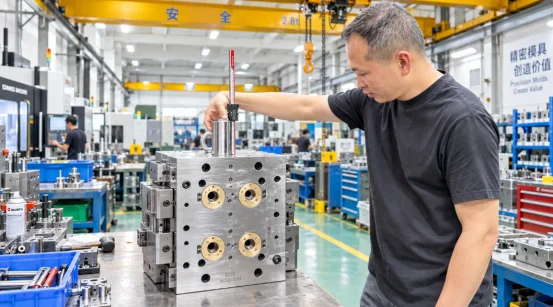
Complex tooling combines tight tolerances, moving mechanisms, heat control, and production targets. A small change in wall thickness can alter shrinkage and warpage. An unsuitable parting line may create demolding trouble or force a costly redesign.
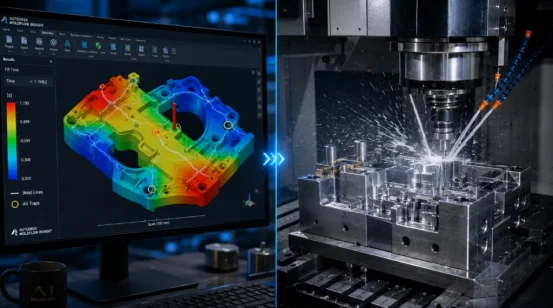
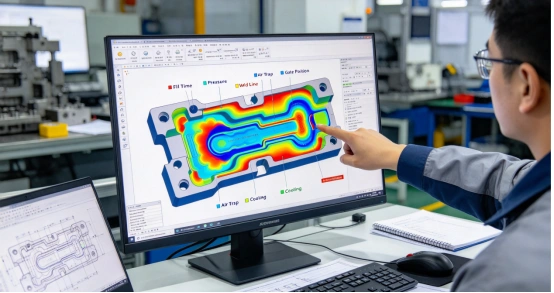
A capable team reviews the product before tooling begins. DFM checks wall thickness, draft angles, parting lines, gates, runners, and ejection. Moldflow analysis then predicts filling patterns, air traps, weld lines, and cooling risks. Fixing a digital model takes hours. Recutting hardened steel can take weeks.
This front-end work explains why many buyers search for a plastic injection mold manufacturer China that can support product decisions, not just machine metal.
The main advantages of outsourcing injection molding to China come from the depth of its manufacturing network. Toolmakers can source mold steel, standard components, heat treatment, surface finishing, and injection capacity within a connected industrial region. That shortens handoffs and makes design changes easier to manage.
China also offers a wide range of equipment and suppliers. A project may start with a rapid prototype mold, move to low-volume injection molding for market testing, and then scale to multi-cavity production. You do not need to rebuild the whole supply chain at each stage.
Cost matters, of course. Skilled labor, mature component supply, and local processing options can reduce total tooling cost. The saving often comes from fewer redesigns, shorter sampling loops, and lower maintenance risk rather than a cheap mold price alone.
Quality depends on repeatable checks. A professional China injection molding supplier should show how it manages risk from design review through trial molding and production release.
A sound workflow includes DFM review, mold structure analysis, precision machining, assembly checks, T1 sampling, dimensional verification, and engineering debugging for mass-production stability. Cooling balance, venting, ejection force, and steel hardness all affect the final result.
Precision machining at the ±0.01 mm level can protect fit and appearance on demanding parts. Material traceability also matters. Steels such as H13, S136, NAK80, P20, and 1.2344 suit different wear, polishing, and thermal requirements. The right choice depends on resin, cycle volume, surface finish, and maintenance plans.
Outsourcing becomes especially useful when your part includes features that add risk or secondary assembly.
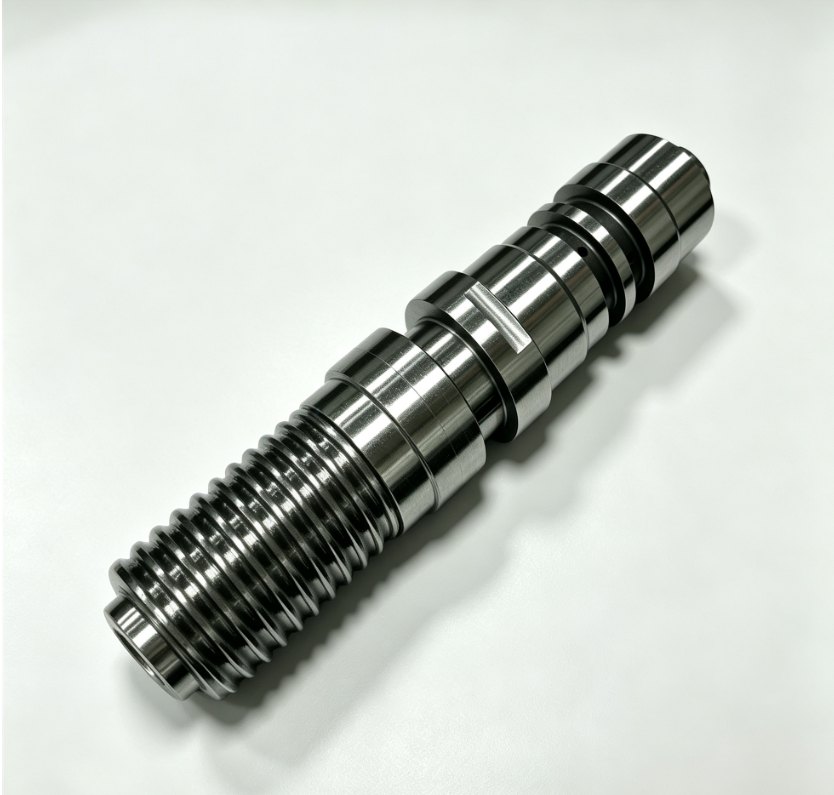
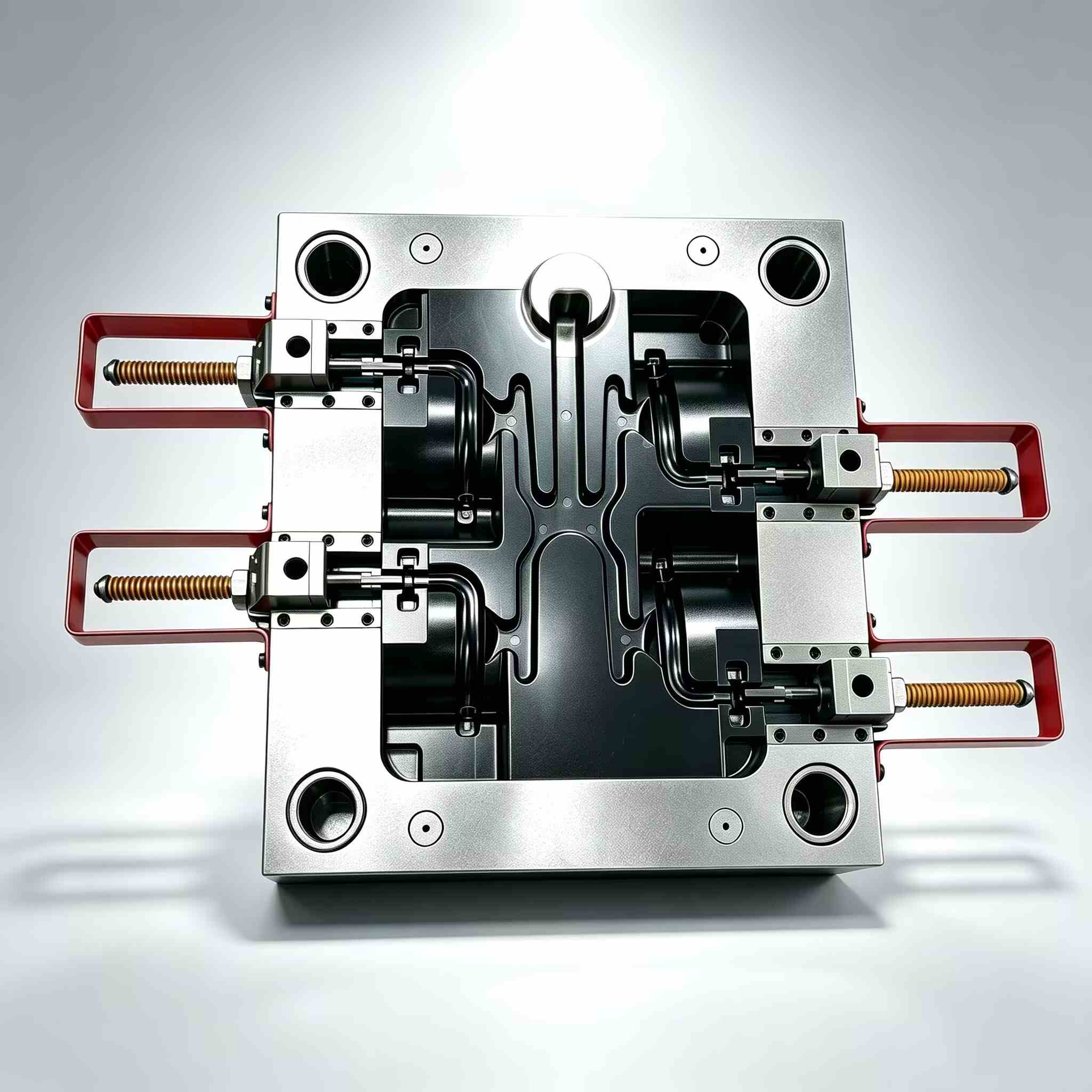
Threaded caps, connectors, and fittings need accurate pitch, synchronized rotation, and reliable release. Gear-driven unscrewing systems can produce cycle times near 10 seconds and support four to 48 cavities when the design and balance are right. Hardened rotating cores and internal cooling help maintain thread quality over long runs.
2K injection molding combines two materials in one cycle. It suits soft-touch grips, seals, two-color housings, and integrated functional surfaces. Mold alignment and bonding interfaces need close control.
Insert molding places terminals, shafts, magnets, or threaded parts inside the plastic during molding. Good tooling keeps inserts from shifting under injection pressure and reduces later assembly work. These methods can improve reliability while trimming labor and defect points.
Bakelite is a thermoset material, so it cures inside a heated mold instead of simply cooling. Stable mold temperatures around 150 to 200°C, strong venting, and wear-resistant steel are essential. Poor thermal balance can cause burn marks, voids, or early tool wear.
The practical route to injection mold cost reduction starts before the quotation. Ask the engineering team to review part count, wall transitions, draft, cavity layout, gate position, and maintenance access. Simplifying a slide or removing an unnecessary insert may save more than negotiating the tool price.
A mold that costs less but needs constant repair can become expensive within months. Cooling efficiency, replaceable wear parts, balanced runners, and sensible steel selection affect cycle time and service life. For high-volume packaging, a better cooling layout may reduce cycle time by 10 to 15 percent. Over a million shots, that small gain is not small at all.
Start with evidence. Review similar mold structures, T1 lead times, inspection records, and communication habits. Ask who performs DFM and Moldflow, where machining occurs, which standards are followed, and how changes are approved.
You should confirm:
A supplier that answers these questions clearly usually presents less project risk than one that only sends a low initial quote.
Once technical requirements are mapped out, buyers face a critical hurdle. Can the supplier actually drive the project through final manufacturing? XINKEY MOULD brings over 25 years of specialized expertise to mold making and injection molding. A dedicated team of 22 in-house designers drives this workflow. They execute rigorous DFM and Moldflow analysis long before any steel gets cut.
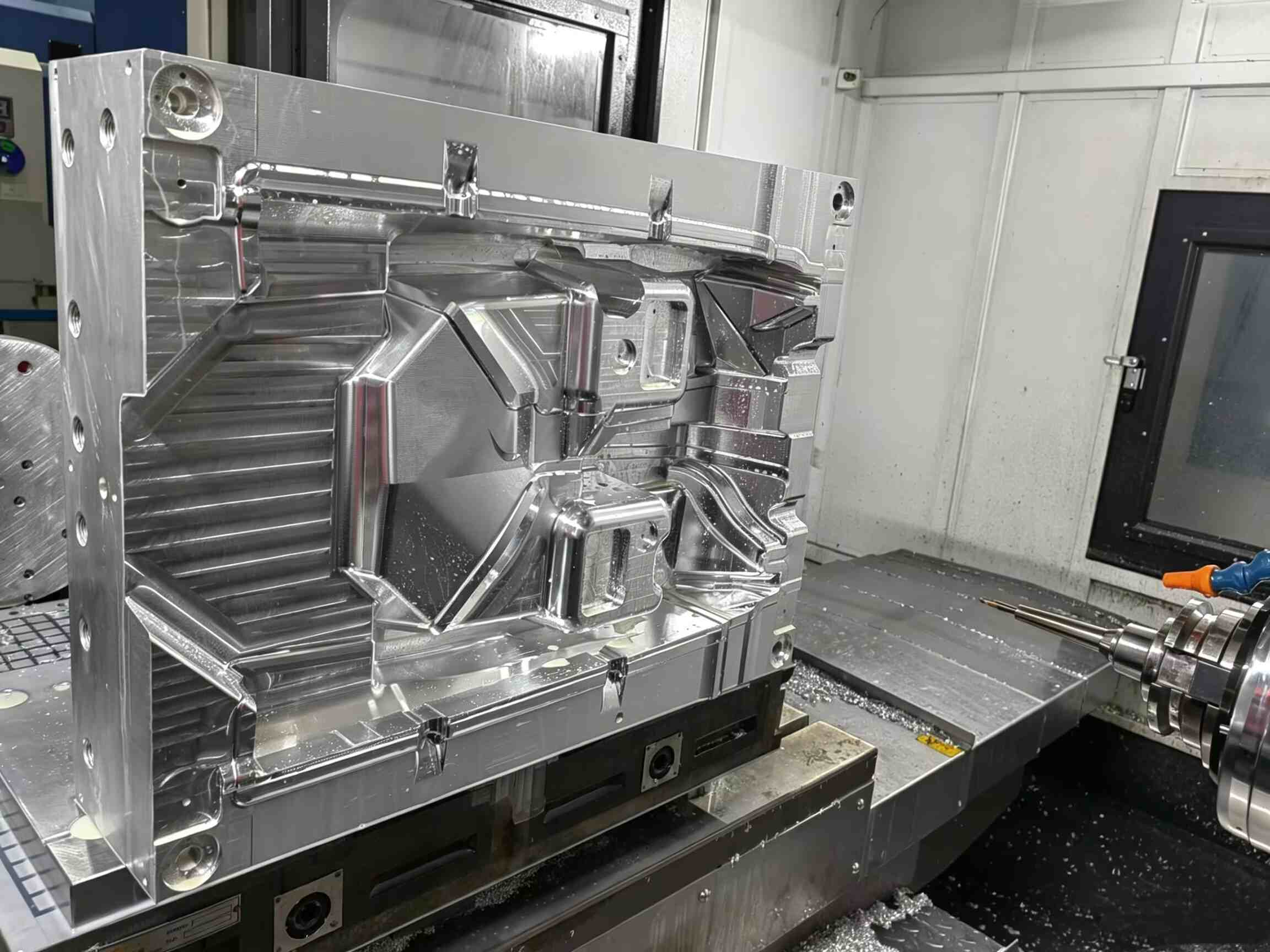
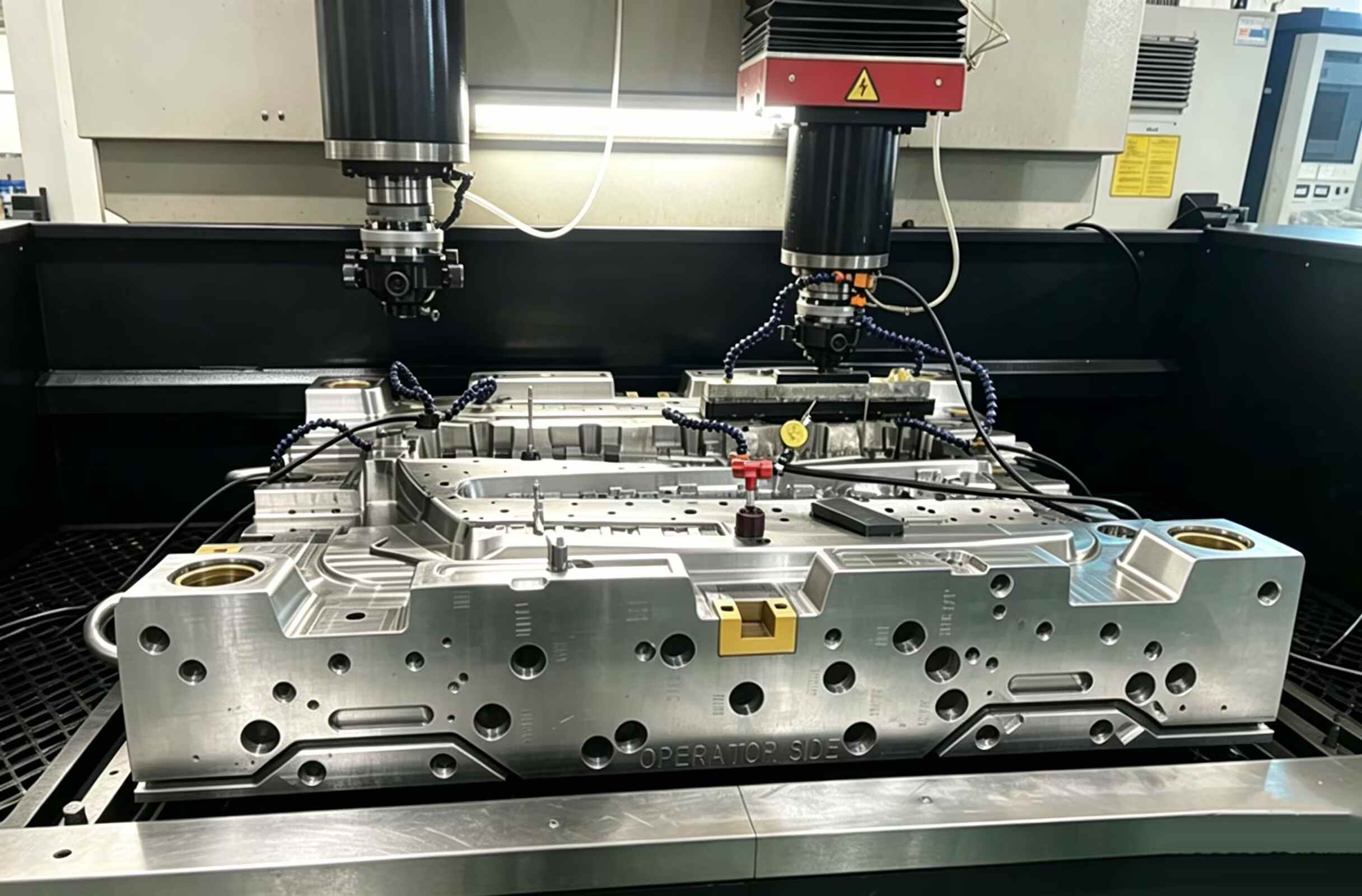
The shop floor houses 19+ CNC centers alongside precision EDM machinery. Furthermore, injection capacity spans 90T to 750T. The firm routinely tackles complex structures. These precisely engineered components include sliders, lifters, threaded cores, inserts, Bakelite tooling, and 2K molds.
Their facility handles tooling weights ranging from roughly 150 kg up to 15 tons. Mold sizes generally fall between 150 mm and 1,500 mm. This broad scale perfectly fits transitioning projects. It smoothly bridges prototype validation, low-volume production, and extensive commercial runs.
The operational process integrates design review, machining, trial molding, quality checks, and production debugging. For buyers evaluating complex injection molds China options, this consolidated full-chain approach significantly cuts down costly handoff problems.
Q1: What are the core benefits of outsourcing injection molding to China?
A: Buyers access seasoned engineers and solid tooling networks. Production remains flexible. This directly cuts costs when one vendor handles both design and manufacturing.
Q2: How long does a complex injection mold take?
A: Standard tools normally hit T1 sampling in two to four weeks. Unscrewing, 2K, Bakelite, and similar tools need more time. Expect four to eight weeks, depending on dimensions and testing.
Q3: Why is DFM and Moldflow analysis crucial?
A: It spots filling, cooling, shrinkage, and ejection risks early. This prevents costly re-machining. It also avoids sampling delays and unstable production.
Q4: Can one vendor manage prototypes and mass production?
A: Yes. Seek partners offering rapid prototype molds and low-volume injection molding. They must also build scalable multi-cavity tooling seamlessly.
Q5: How to fairly evaluate a China injection molding supplier?
A: Compare their engineering skills, process controls, and machinery. Verify physical sample evidence, schedule discipline, and material tracking. Never judge solely on the base mold price.
Related Posts



Contact Us