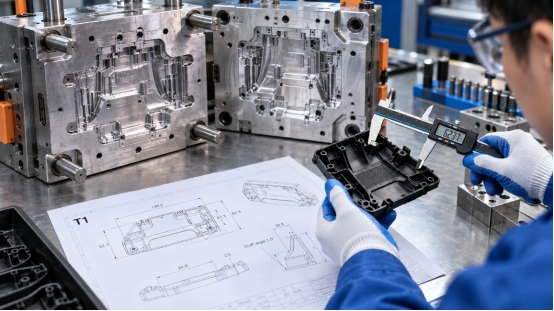
Low-Volume Injection Molding: On-Demand Production & Fast Tooling
23rd October 2026


 author
When you source plastic parts, the terms “injection mold manufacturer” and “injection molding company” often sound interchangeable. They are related. But they usually describe distinct stages of the supply chain.
An injection mold manufacturer focuses on building the tool. Meanwhile, an injection molding company focuses on using that exact tool to make plastic parts. Some suppliers do both. This can simplify your project. Still, understanding the difference matters a lot when you compare quotes, schedules, and technical duties.
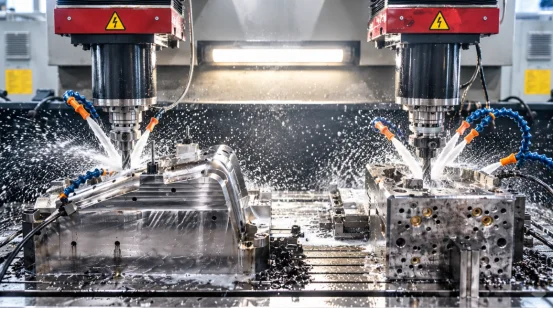
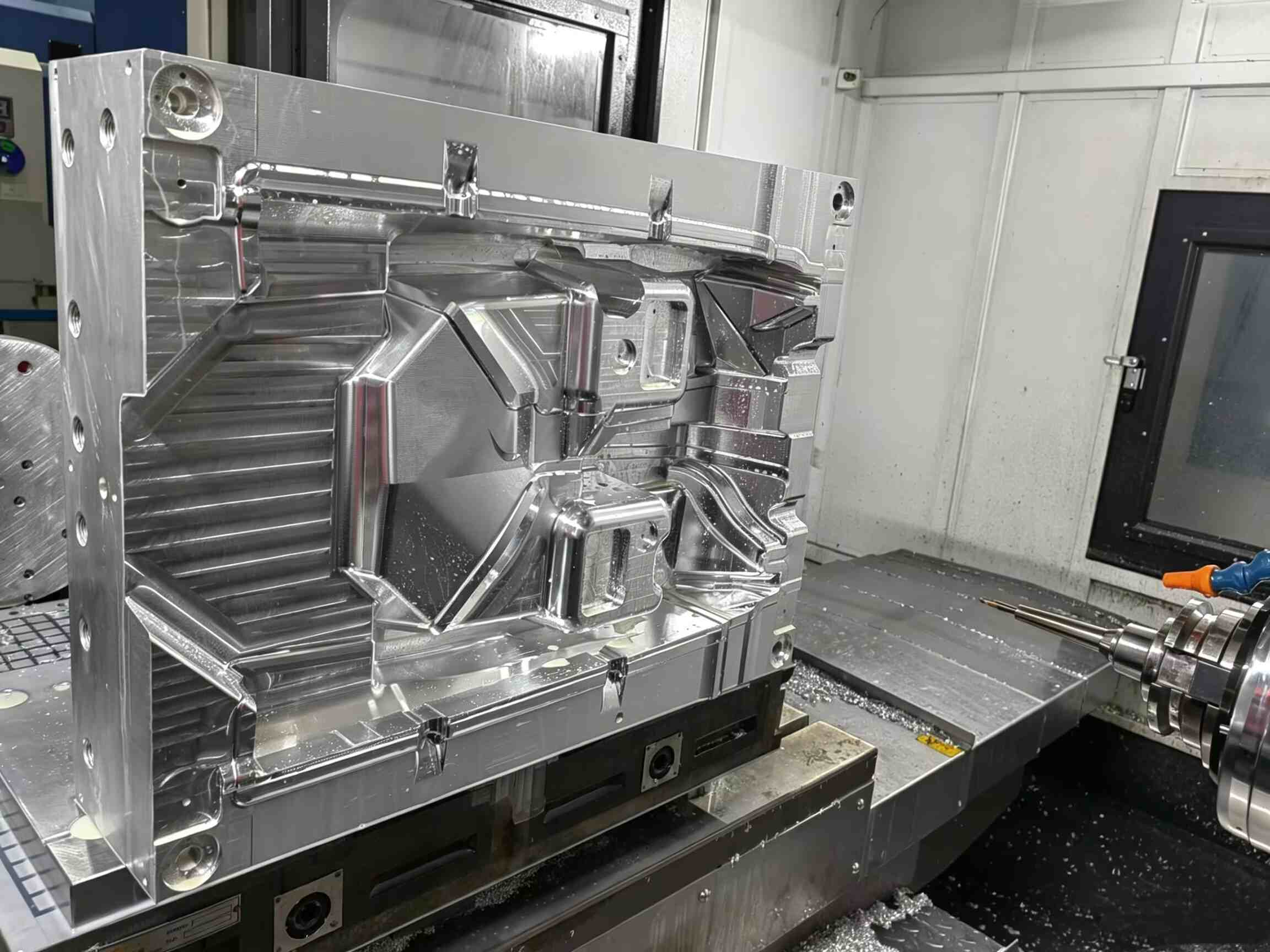
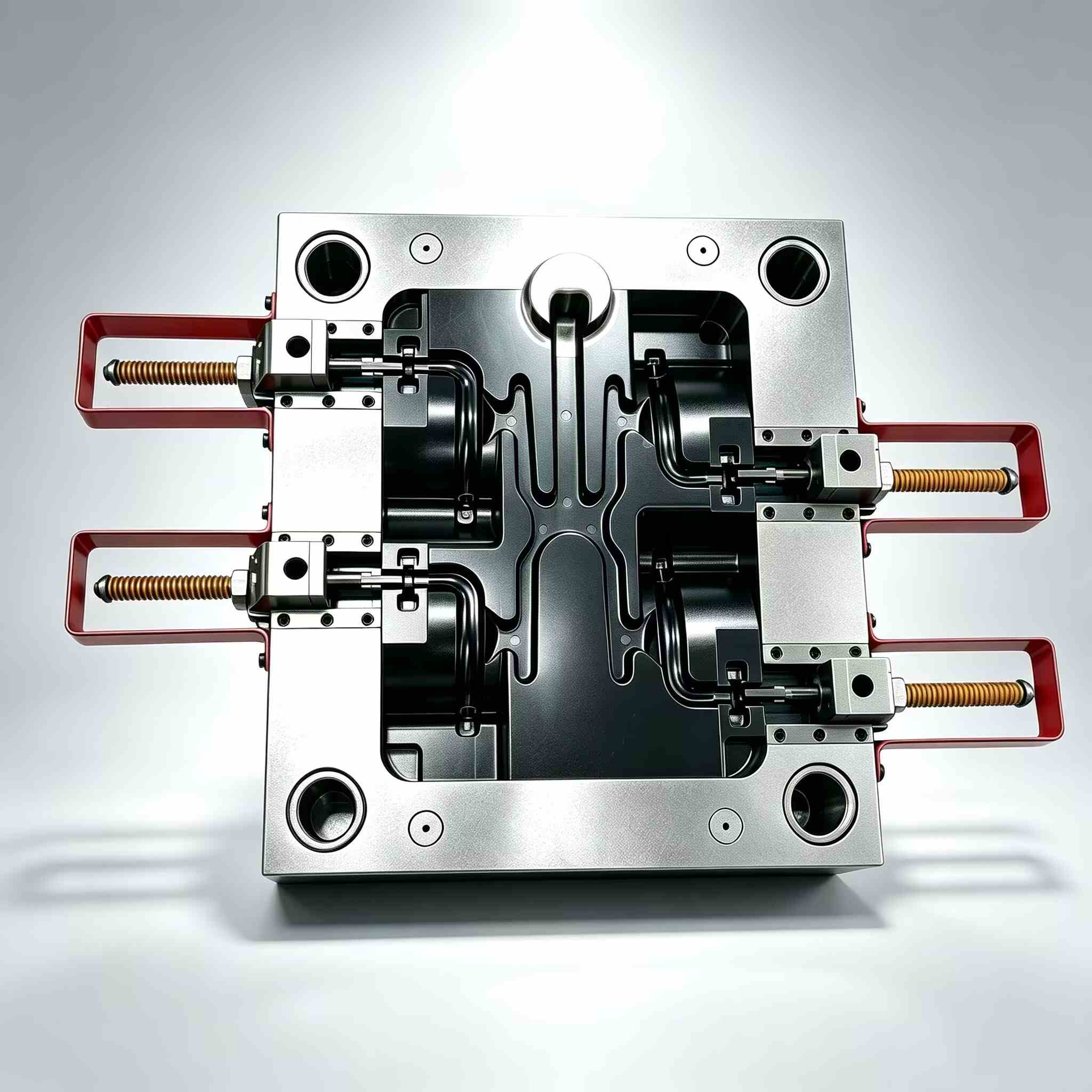
An injection mold manufacturer designs and builds the mold that shapes molten plastic. This tool is normally crafted from tool steel or aluminum. It holds the cavities, cores, runners, cooling channels, and ejection system needed for mass production.
A mold supplier usually steps in well before manufacturing starts. You might send them a 3D model, a 2D drawing, specific material needs, or just an early product idea. Then, the supplier reviews the design. They look for any flaws that could hurt part quality or increase tooling costs.
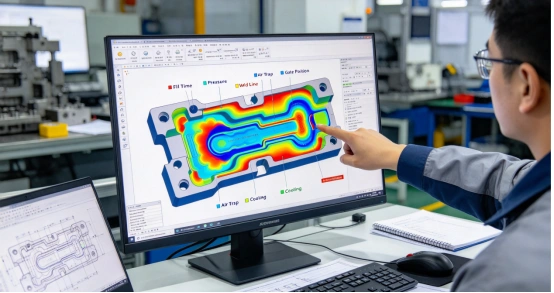
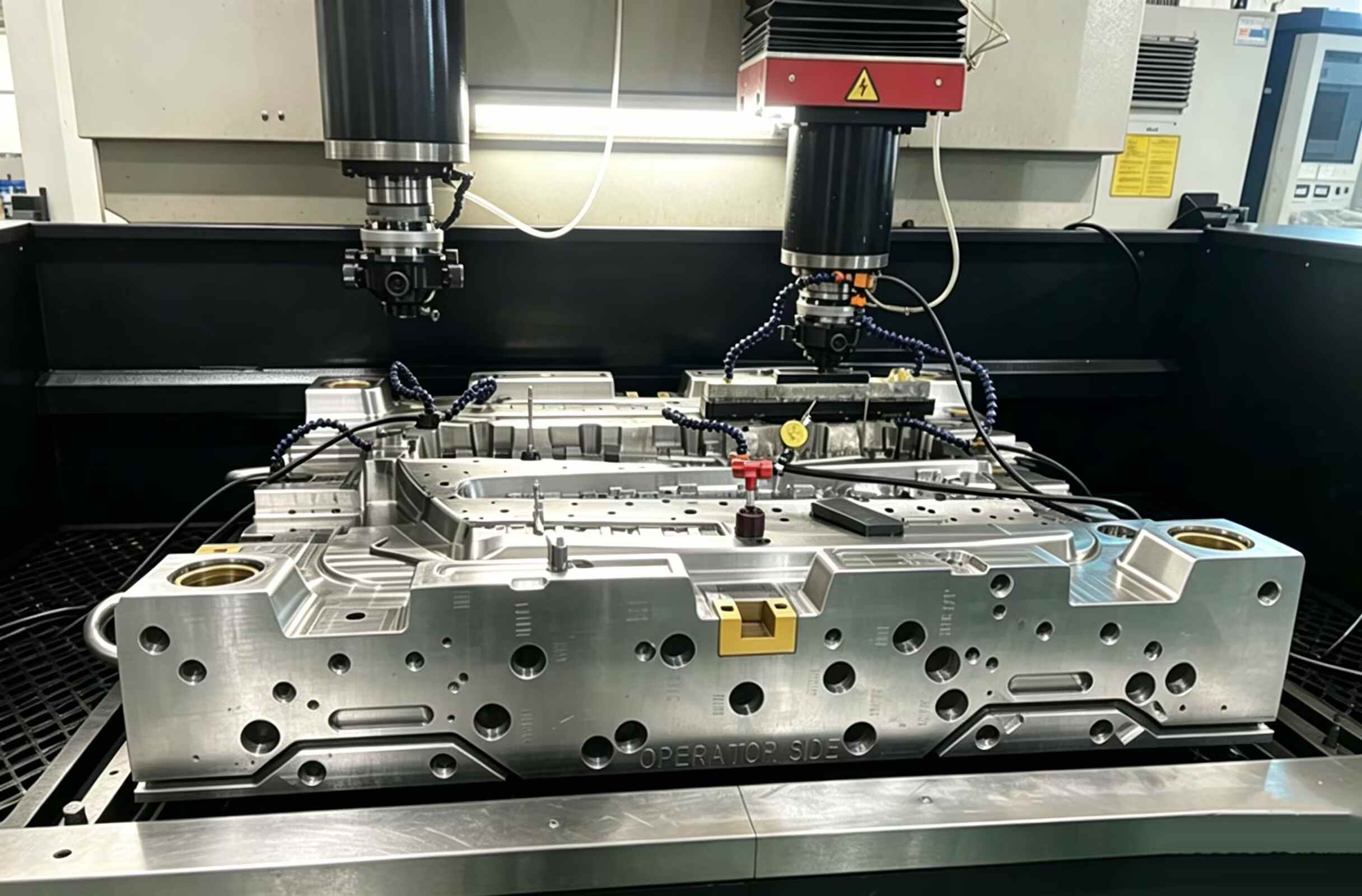
This stage involves thinking about mold-flow, parting-line choices, draft-angle checks, gate selection, and cooling layouts. Once you approve the design, the mold gets made. Builders use methods like CNC machining, EDM machining, wire cutting, grinding, polishing, and fitting.
Here is where true experience shines. A mold might look perfect on a computer screen. Yet, it can still cause sink marks, flash, warpage, or tough ejection during a real test. A solid injection mold manufacturer spots these risks before they even cut the steel.
The manufacturer also handles mold assembly and trial runs. Trial samples help check dimensions, looks, fill balance, ejection speed, and cycle habits. If a part needs fixing, the mold itself might need steel tweaks, extra polishing, new vents, or better cooling.
For buyers, this means asking the right questions. You need to know about tooling accuracy, clear communication, trial support, and future mold upkeep.
An injection molding company runs the machines that turn plastic resin into final parts. Their core job is actual production, not building the tool. Even so, some of these companies keep an in-house toolroom.
You typically hire a molding company after the mold design gets the green light, or when a finished mold is ready to go. The company picks the right equipment and sets up the mold. They also dry and mix the resin, adjust machine settings, and oversee the entire run.
Making parts involves much more than just hitting a start button. Operators must control injection pressure, holding pressure, heat levels, and cooling times. They also monitor screw speed and overall cycle time. These exact details change the part’s weight, size, finish, and reliability.
A molding company might also do secondary tasks. These include trimming, assembly, printing, ultrasonic welding, and packaging. For large orders, planning the process becomes just as vital as the mold itself.
The company needs to offer inspection logs, sampling plans, trackable data, and shipping control based on your specific needs. If your parts go into cars, medical devices, electronics, or consumer goods, quality rules can be very strict.
The main difference is straightforward. The mold manufacturer builds your production tool. The injection molding company uses that tool to create your parts.
The best choice depends entirely on what you need right now. If you already own a mold and just want parts, an injection molding company works fine. If you have a brand-new product, you need a partner with deep mold design and tooling skills.
A combined supplier helps avoid handoff headaches. The same technical crew can link part design, mold building, trial results, and final production settings. This saves major time if a part needs a quick design tweak or if a tool issue pops up during sampling.
You need custom injection molds, prototype tooling, or replacement molds. They are also ideal if you need engineering help before production begins. You might prefer a mold expert when your part has complex shapes, tight tolerances, multi-slide structures, inserts, or tricky cosmetic finishes.
Your tooling is complete. You just want steady production, reliable cycle times, assembly, packaging, or planned shipments. When choosing, look closely at their production capacity, machine sizes, resin background, and quality checks.
Before you sign a purchase order, ask exactly who owns the mold. Find out where they will store it, how they approve changes, and who covers repair bills. You should also confirm the tooling lead time, sample dates, order volumes, inspection types, and spare-part rules.
A cheap mold quote might not equal the lowest total project cost. Extra fixes, shipping fees, and slow communication can add up fast.
Tooling cost is the upfront money spent to design and create the mold. You normally pay this before standard production starts. It relies on the cavity count, mold size, steel type, surface finish, automation needs, and part complexity.
Production cost pays for the resin, machine hours, labor, testing, extra operations, and packaging. It usually gets billed per part or per batch.
A single-cavity mold costs less initially. But it makes parts much slower. A multi-cavity mold costs more to build upfront. However, it lowers the unit price when your yearly demand is high. Your volume goals should guide this choice.
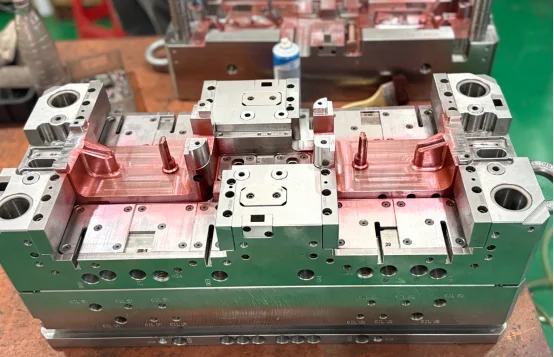
Begin with the supplier’s technical skills. Can they review your design, build the mold, run tests, check samples, and handle production? Clear ownership stops gaps later on.
Ask to see sample reports, mold drawings, material certificates, and correction logs. Make sure the quoted price actually includes DFM feedback, mold-flow analysis, trial shots, polishing, packaging, and final delivery.
You also need to see how the supplier manages changes. A good system logs every revision. It links changes to a drawing or 3D file, clearly showing the impact on cost and timing.
When one team manages both mold building and injection molding, feedback travels fast between engineering and the factory floor. Trial bugs get compared against real machine actions. Any mold changes link directly to part quality.
XINKEY MOULD builds its services around custom mold development, precise machining, trial runs, and injection molding support. Their product information highlights both tooling and molded-product uses, rather than treating the mold as an isolated item. For a buyer, the real benefit is having a single contact point. They handle design reviews, mold manufacturing, sampling, and production flow.
Still, this setup does not automatically make any supplier the perfect fit. You must check their material knowledge, testing habits, reply speeds, past deliveries, and post-approval support. For your specific project details, review their capabilities and match them against your drawings and volume plans.
Q1: Is an injection mold manufacturer identical to an injection molding company?
A: No. The mold manufacturer constructs the physical tool. Meanwhile, the injection molding company operates that specific tool to shape plastic parts. Certain suppliers do provide both services.
Q2: Which supplier should manage a new plastic product?
A: A partner executing mold design, tooling, physical trials, and final production works best. This unified approach simplifies oversight for completely new item launches.
Q3: Why do mold quotations fluctuate heavily among suppliers?
A: Cost differences stem largely from the chosen steel grade and cavity count. Mold layout, required tolerances, and surface finish matter deeply too. Furthermore, complex cooling setups and bundled trial modifications shift the final pricing.
Q4: Who owns the injection mold after payment?
A: Your purchase agreement must outline ownership explicitly. Additionally, this binding contract must define storage terms and relocation rights. It should dictate routine upkeep and repair protocols too.
Q5: Can a single supplier build the mold and manufacture parts?
A: Absolutely. A unified partner handles tooling alongside daily molding. Consequently, this arrangement minimizes frustrating communication blunders. It also accelerates crucial fixes throughout the initial sampling phase.
Related Posts



Contact Us