Low-Volume Injection Molding: On-Demand Production & Fast Tooling
23rd October 2026

 autore
Introduzione
A prima vista, la cavità di uno stampo sembra vuota. In realtà, non lo è mai.
Ogni iniezione inizia con aria già intrappolata all'interno della cavità, e quest'aria deve pur uscire da qualche parte. Se non riesce a fuoriuscire correttamente, viene compressa rapidamente dal flusso del materiale fuso. Il risultato? Le temperature possono superare i 300 °C in pochi millisecondi.
In pratica, hai creato una camera di combustione in miniatura all'interno dello stampo.
Sul pavimento dell'officina, la scarsa ventilazione è spesso il problema colpevole silenzioso dietro a bruciature, difetti estetici e problemi di produzione inspiegabili.
L'importanza cruciale della compressione dell'aria
Durante l'iniezione, la plastica fusa scorre tipicamente a velocità di 20–200 mm/sMentre riempie la cavità, spinge l'aria in avanti.
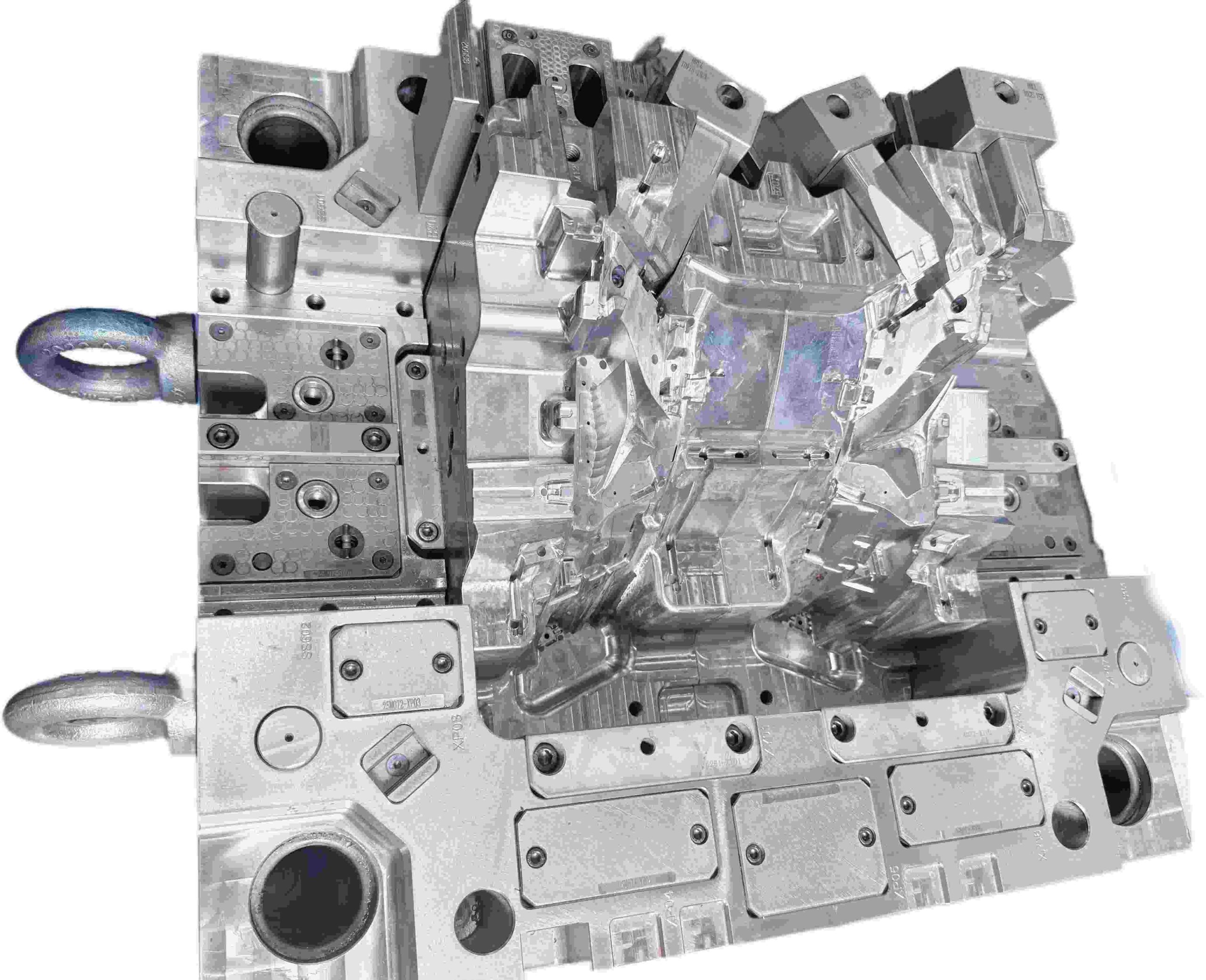
Quest'aria deve fuoriuscire attraverso delle aperture di ventilazione, solitamente piccole fessure nella linea di giunzione o tramite appositi condotti di ventilazione.
La fisica è spietata:
Compressione rapida = rapido aumento della temperatura.
Nei casi più estremi, l'aria intrappolata si comporta come un motore diesel in miniatura, incendiando e bruciando la superficie di plastica.
Queste "bruciature da gas" non sono solo un problema estetico. Indicano un degrado del materiale a livello molecolare, che può compromettere la resistenza del componente e le sue prestazioni a lungo termine.
Oltre alle ustioni, il gas intrappolato crea ulteriori problemi:
Come facciamo effettivamente a far uscire l'aria
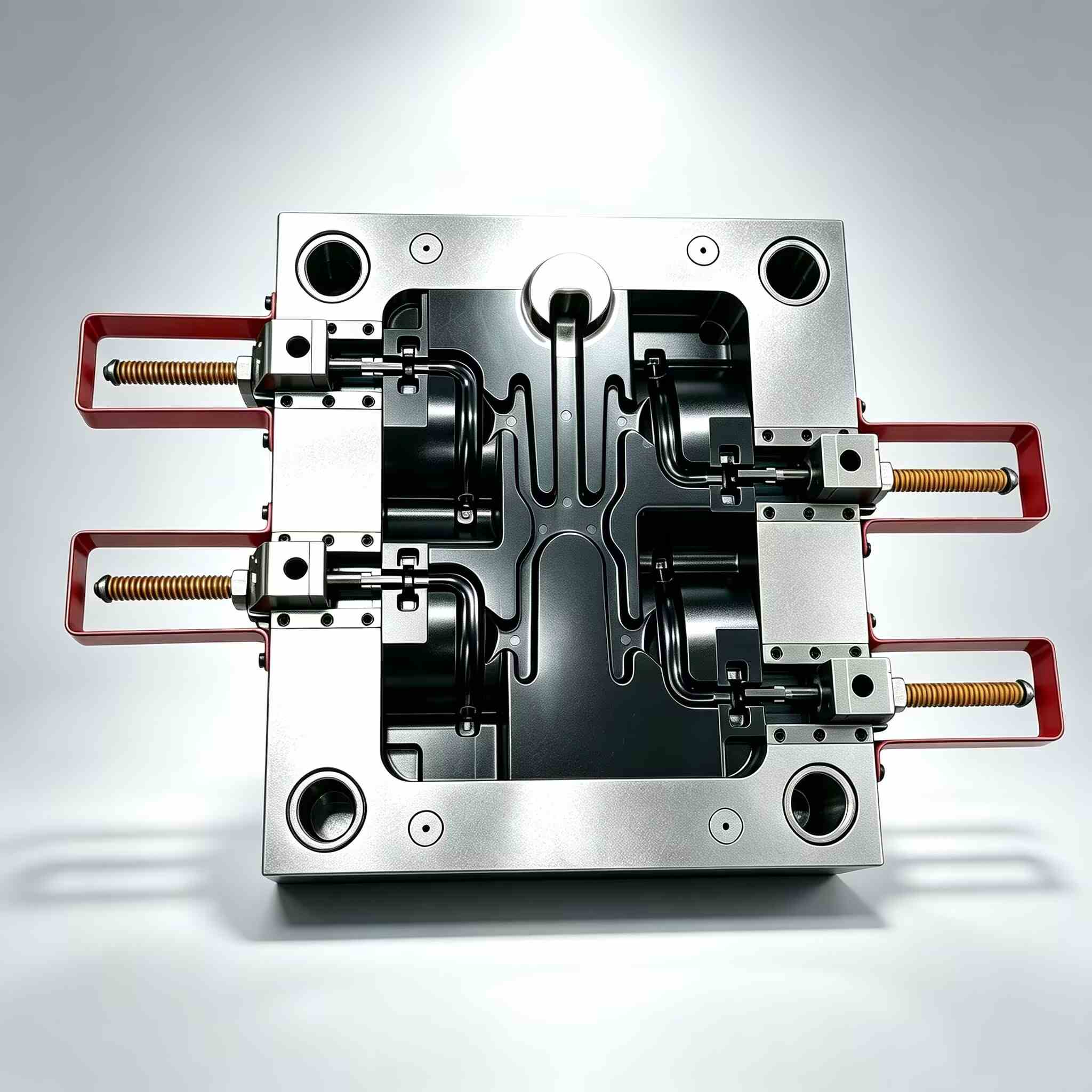
Nella progettazione di stampi reali, la ventilazione si riduce alla creazione di vie di fuga affidabili. I metodi più comuni includono:
Questo è il metodo più diffuso.
La chiave è la precisione:
Trovare quel giusto equilibrio è dove l'esperienza nella costruzione di utensili fa la differenza.
Utilizzato in nervature profonde o cavità dove l'aria tende a rimanere intrappolata.
Per geometrie complesse, i canali di ventilazione poco profondi convogliano l'aria verso le uscite.
Nei casi più impegnativi, Inserti in metallo poroso (acciaio sinterizzato) consentono il passaggio dell'aria attraverso il materiale stesso, il che è particolarmente utile in cavità profonde o complesse.
Utilizzato in applicazioni di fascia alta come i pannelli per autoveicoli.
Invece di affidarsi alla pressione per spingere fuori l'aria, un sistema di aspirazione la rimuove prima ancora che inizi l'iniezione, garantendo condizioni di riempimento ottimali.
Mal di testa comuni in fabbrica
Ustioni di fine riempimento
Le macchie scure nell'ultima area di riempimento di solito indicano che l'aria intrappolata non ha modo di fuoriuscire.
Cortometraggi “fantasma”
Se una caratteristica non si riempie indipendentemente dalla pressione esercitata, è probabile che si tratti di una bolla d'aria che funge da cuscinetto.
L'aggiunta di una presa d'aria proprio in quel punto spesso risolve il problema immediatamente.
Compromesso tra flash e ventilazione
Raggiungere il giusto equilibrio è una sfida costante.
Linee di saldatura deboli
Quando i fronti di flusso si incontrano ma non riescono a fondersi correttamente, la causa è spesso da ricercarsi nella presenza di gas intrappolato.
Una corretta ventilazione nel punto di giunzione migliora significativamente la resistenza della saldatura.
Consigli professionali per strumenti migliori
In conclusione
La ventilazione non è un dettaglio di poco conto: è un fattore fondamentale per le prestazioni dello stampo.
Uno stampo ben ventilato:
Cercare di riparare le perdite di ventilazione dopo che lo stampo si è indurito è costoso, lento e spesso frustrante.
Fare le cose per bene fin dall'inizio non significa solo garantire la qualità dei componenti, ma anche evitare costi superflui e mantenere la produzione senza intoppi.
Articoli correlati



Contattaci