Es ist schon merkwürdig, wie sehr wir uns mit jeder Millisekunde der Einspritzphase beschäftigen, während der Austritt – der stressigste Teil des gesamten Prozesses – oft vernachlässigt wird. Kunststoff einzufüllen ist das eine; ihn unversehrt wieder auszustoßen, ist die eigentliche Ingenieursleistung.
Das Auswerfen der Form ist die letzte Hürde.
Sie haben den gesamten Zyklus damit verbracht, ein perfektes Teil zu füllen, zu verpacken und abzukühlen. Wenn Ihre Ausstiegsstrategie jedoch fehlerhaft ist, erhalten Sie am Ende Spannungsrisse, Verformungen oder Teile, die am Kern festkleben.
Darum ist ein reibungsloser Auswurf das Kennzeichen eines gut konstruierten Werkzeugs:
1. Der Kampf gegen Reibung und Vakuum
Sobald sich die Form öffnet, umschließt das Kunststoffteil den Kern wie ein Schraubstock. Beim Abkühlen schrumpft das Material auf dem Stahl und erzeugt dabei erhebliche Reibung.
Doch es gibt einen zweiten, unsichtbaren Feind: leer.
Bei Tiefziehteilen oder Eimerstil Durch die Geometrie des Bauteils entsteht eine Abdichtung gegen den Kern. Verlässt man sich allein auf Auswerferstifte, wirkt das Vakuum der Kraft entgegen, wodurch das Bauteil verformt oder zusammenfällt.
Deshalb setzt intelligentes Werkzeugwesen nicht auf rohe Gewalt.
Stattdessen bieten sich Lösungen wie diese an:
- Luftventile
- Zeitgesteuerte Luftstöße
werden verwendet, um das Vakuum zu durchbrechen vor Sogar die Auswerferstifte greifen ein.
2. Ausgewogenheit ist alles: Den „Durchbruch“ vermeiden
Einer der häufigsten Mängel bei mangelhafter Auswurfkonstruktion ist Stressaufhellung—diese sichtbaren weißen Markierungen, die entstehen, wenn die Auswerferstifte zu stark drücken.
Auswurf muss erfolgen ausgewogen.
Werden die Stifte nicht strategisch um Bereiche mit hoher Reibung (wie Rippen oder Vorsprünge) herum platziert, kann das Bauteil Folgendes können:
- Neigung
- Binden
- Ungleichmäßiges Scheitern
Wenn das passiert, werden die Teile nicht von den Stiften ausgeworfen – sie Durchstechen.
Ein gut konzipiertes System:
- Maximiert die Kontaktfläche
- Verteilt die Kraft gleichmäßig
- Nutzt Lösungen wie Abstreifplatten für dünnwandige Teile
Dies gewährleistet eine kontrollierte und gleichmäßige Freisetzung.
3. Der stille Held: Entwurfswinkel
Sie können in das fortschrittlichste Auswurfsystem der Welt investieren – aber ohne die richtige TiefgangwinkelDu führst einen aussichtslosen Kampf.
Der Lufteinschluss ist die leichte Verjüngung senkrechter Wände. 0,5° kann den Unterschied ausmachen zwischen:
- Eine saubere Veröffentlichung
- Ein festsitzendes Teil, das manuell entfernt werden muss
Und auf strukturierten Oberflächen? Die Entformungsschräge wird noch wichtiger. Der Kunststoff „verankert“ sich quasi in der Formstruktur.
Faustregel: Je mehr Luftzug, desto besser.
4. Zeitliche und thermische Balance
Der Ausschluss ist nicht nur eine Frage Wie Du drängst – aber Wann.
- Zu früh:
Das Teil ist noch weich → Stifte hinterlassen Eindellungen oder verursachen Verformungen
- Zu spät:
Das Bauteil umschließt den Kern zu fest → übermäßige Krafteinwirkung führt zu Beschädigungen
Verpasst man dieses Zeitfenster, kann man nicht mehr aussteigen – man ist erzwungenes Scheitern.
Moderne Werkzeuge haben sich über die traditionellen Trennmittelsprays hinaus weiterentwickelt.
Stattdessen verwenden viele Hochleistungsformen heute Folgendes:
- DLC (diamantähnlicher Kohlenstoff) beschichtete Stifte
Diese Beschichtungen:
- Reibung verringern
- Verbesserung der Wärmeregulierung
- Werkzeuglebensdauer verlängern
- Schnellere Zykluszeiten ermöglichen
Am wichtigsten ist jedoch, dass sie ein sauberes Ablösen der Teile ermöglichen – ohne Verunreinigungen oder Rückstände.
Fazit
Eine hervorragende Form produziert nicht nur ein perfektes Teil – sie produziert genau dieses Teil. konsequent, automatisch und zuverlässig.
Wenn ein Bediener neben der Maschine stehen muss, um die Teile herausfallen zu lassen, ist das Auswurfsystem bereits versagt.
Gestaltung des Ausgangs
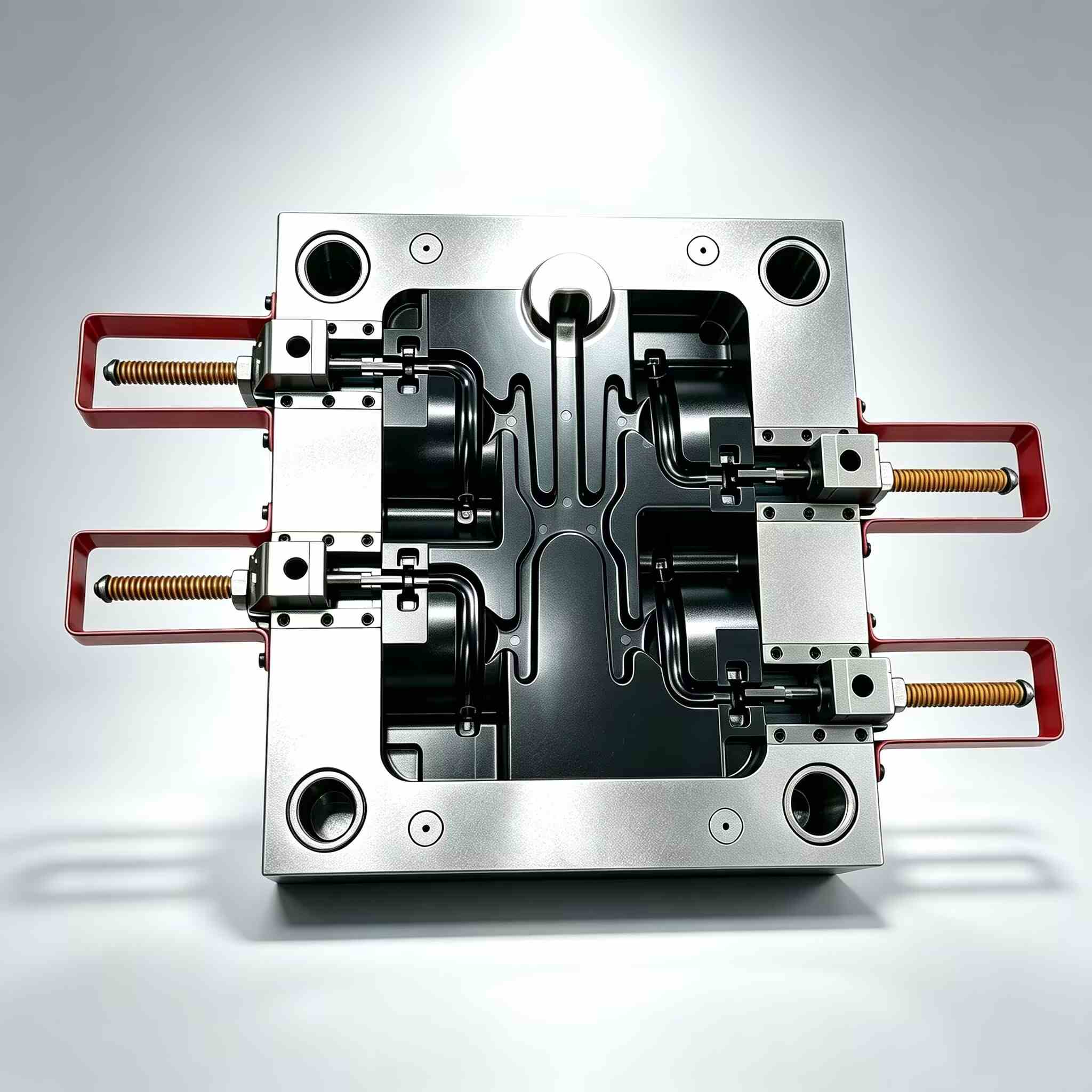
Bei [Ihr Firmenname]Wir betrachten den Platzverweis nicht als Nebensache.
Aus:
- Stripperplattensysteme
- Mehrstufiger Auswurf
- Hochleistungsbeschichtungen
Wir arbeiten an jedem Detail, um sicherzustellen, dass jedes Teil die Form so perfekt verlässt, wie es geformt wurde.
Denn beim Spritzgießen ist der letzte Schritt genauso wichtig wie der erste.
Wenn Sie möchten, kann ich Ihnen bei der Optimierung einer weiteren Version helfen.Eine stärker auf Marketing ausgerichtete Version (besser für die Kundengewinnung) oder eine SEO-Keyword-Version (besser für das Google-Ranking). �

 Aronna Zheng



Kontaktieren Sie uns