Low-Volume Injection Molding: On-Demand Production & Fast Tooling
23rd October 2026


 author
A first molded sample may reveal a sink mark, stuck undercut, or warped assembly face. Rapid tooling for plastic injection mold projects shortens that feedback loop.
You can test production-grade resin and revise the tool before a full production mold absorbs most of the budget. Speed helps only when the mold suits your part, volume, and next production step.

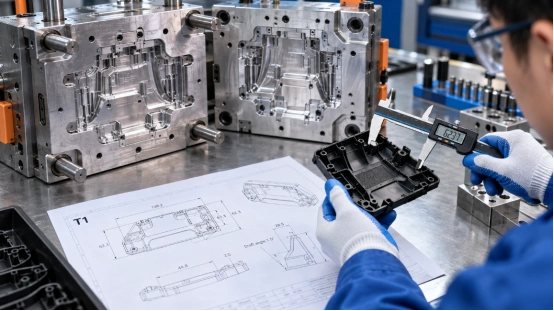
Rapid tooling uses fast machining and simpler construction to produce a working plastic injection mold in days or weeks. It is often called a prototype injection mold or soft tool. The normal molding cycle still applies, so you can test a real molded component.
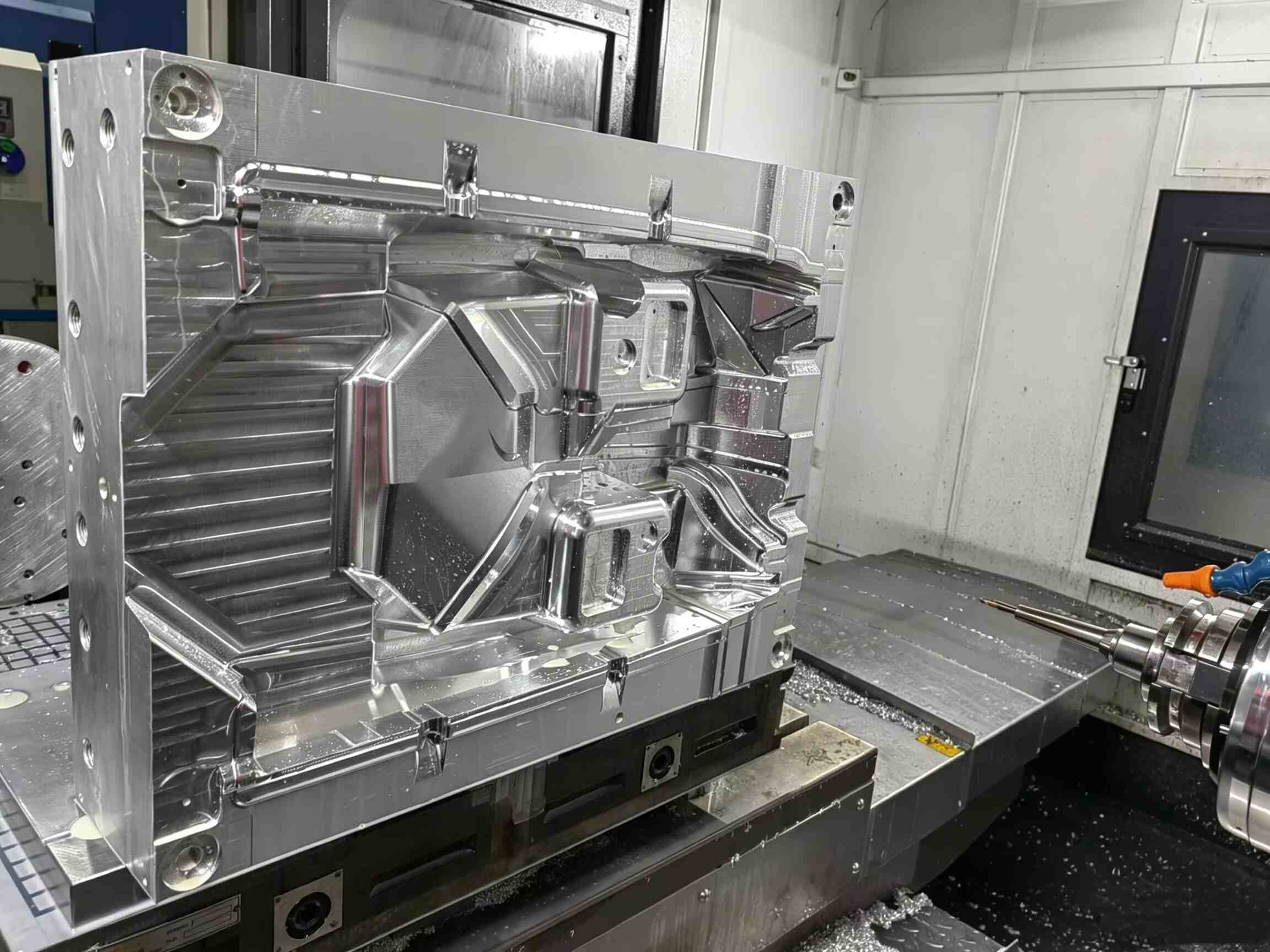
A rapid injection mold may use aluminum, pre-hardened P20, or replaceable inserts. A production tool usually uses hardened steel and wear-resistant components. The rapid route favors speed and easy changes. Production tooling favors repeatability, long tool life, and high output.
An aluminum mold may suit validation, yet glass-filled nylon, corrosive resin, high clamp pressure, or optical finishes can expose its limits. A P20 steel mold takes longer but offers better durability and can support welded changes.
Rapid injection molding lets you find physical problems while the design can still move. It also provides real cycle, scrap, and assembly data instead of CAD estimates.
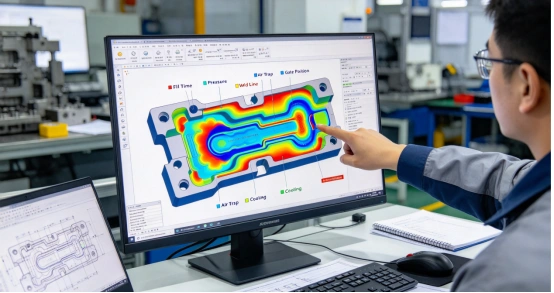
You can test clips, threads, sealing faces, texture, and fit in the intended resin. T1 samples expose injection molding defects such as flow marks, weld lines, air traps, sink, and warpage. Fixing gate position or wall thickness now is easier than recutting a finished tool.
Rapid tools suit pilot programs, market tests, spare parts, and low-volume injection molding. If demand grows, bridge tooling can make saleable parts while a high-volume tool is built. If demand stays modest, the first tool may cover the program.
Softer inserts are quicker to cut and repair when testing changes a snap fit or connector position. Removing steel is easy; putting it back is slower and may weaken the insert. A steel-safe review still matters.
Fast tooling has a defined operating window. Your quote should state expected shots, resin, finish, dimensions, cavity count, and change allowance. Without them, a low price says little.
Aluminum machines fast and transfers heat well, but abrasive fillers and high temperatures shorten its life. Steel inserts make sense around gates, shutoffs, and sliding faces. For longer programs, heat treatment and replaceable wear parts can cost less than production stops.
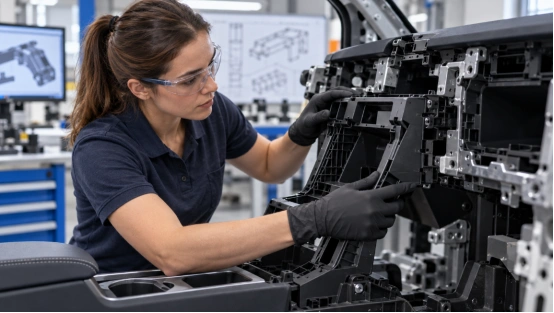
Deep ribs, thin walls, sharp internal corners, and undercuts add machining or side actions. Sliders and lifters add fitting work and risk. Keep the parting line away from sealing surfaces and precision threads where flash or mold shift can cause leaks.
For high-gloss or clear parts, the tooling material must take the required polish, while gate, venting, and cooling layouts control flow and shrinkage. A quick-cut tool can still be slow to qualify.
Uneven cooling causes dimensional drift and warpage. Poor venting leaves burns or short shots. An unbalanced runner fills cavities unevenly. Good DFM analysis and Moldflow analysis reduce trial loops before T1.
Rapid tooling lead time starts with engineering readiness. A clean 3D model, resin grade, volume, tolerance drawing, finish, and sample quantity let the toolmaker act quickly. Missing decisions create pauses no machine can recover.
Simple parts may move from approved design to samples in roughly 7 to 14 days. Typical ranges are 2 to 4 weeks for standard molds and 4 to 8 weeks for complex unscrewing or two-shot projects. These are planning ranges. Cavity count, steel, heat treatment, texture, bought-in components, and inspection affect the date.
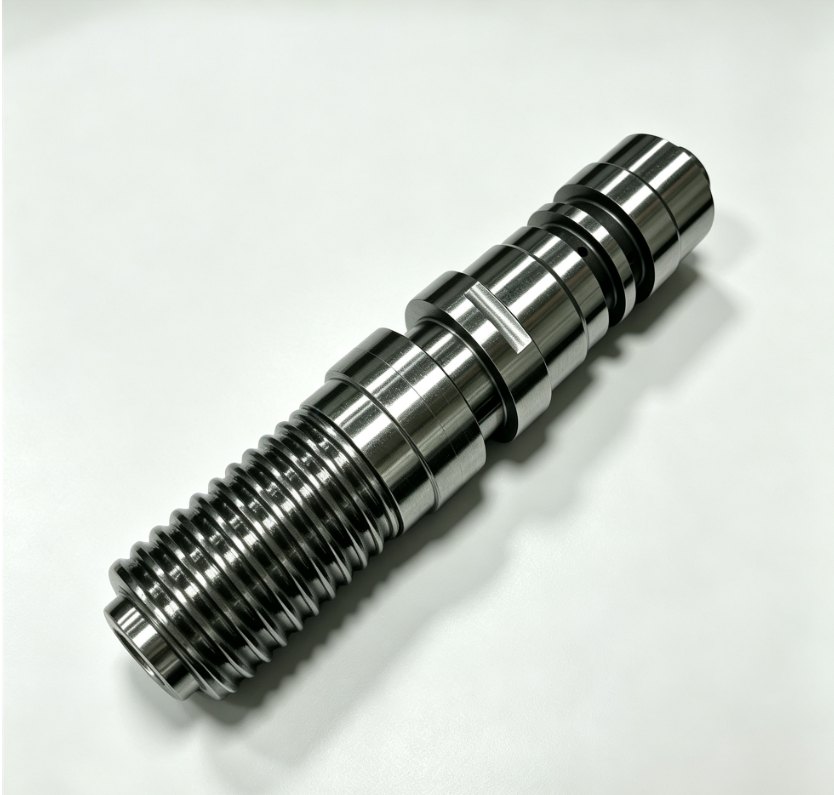
The path runs through product review, DFM, mold design, machining, assembly, trial, inspection, and correction. CNC work may be fast while a custom threaded core or texture sets the critical path. Sample shipping is often missing from launch calendars.
Uniform walls cool evenly. Draft reduces drag marks. Ribs add stiffness without thick heat pockets. A sensible gate cuts weld lines and filling pressure. DFM should cover shrinkage, ejection force, cooling, vents, and access to wear parts. A short review can remove days from sampling.
Start with what the mold must prove. A few hundred assembly parts call for a different tool than 20,000 saleable units in glass-filled resin. Ask why the supplier chose the tooling material, cavity count, runner, and hardness. Check whether the tool fits the intended production press.
Use an aluminum mold when speed and a short run outweigh wear concerns. Choose pre-hardened steel for more shots, tighter control, or planned changes. Add hardened inserts at abrasion points. For uncertain demand, keep the design simple and wear items replaceable. That detail matters when one insert stops the press late on a Friday.

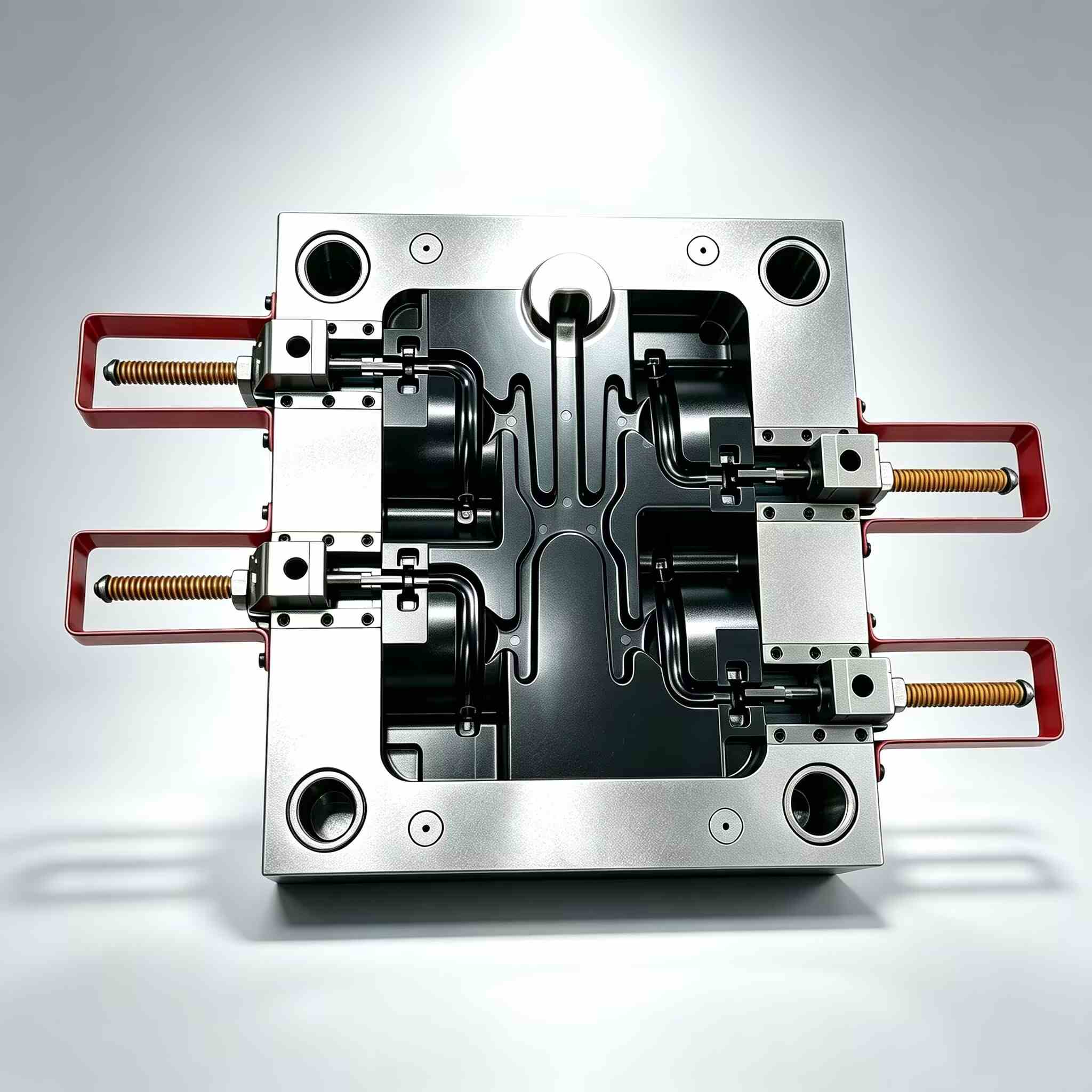
A rapid tool works best when the supplier can carry the same engineering logic from DFM through mold trials. XINKEY MOULD‘s plastic injection mold capabilities cover threaded unscrewing tools, two-shot molds, and insert molding, alongside standard custom tooling.
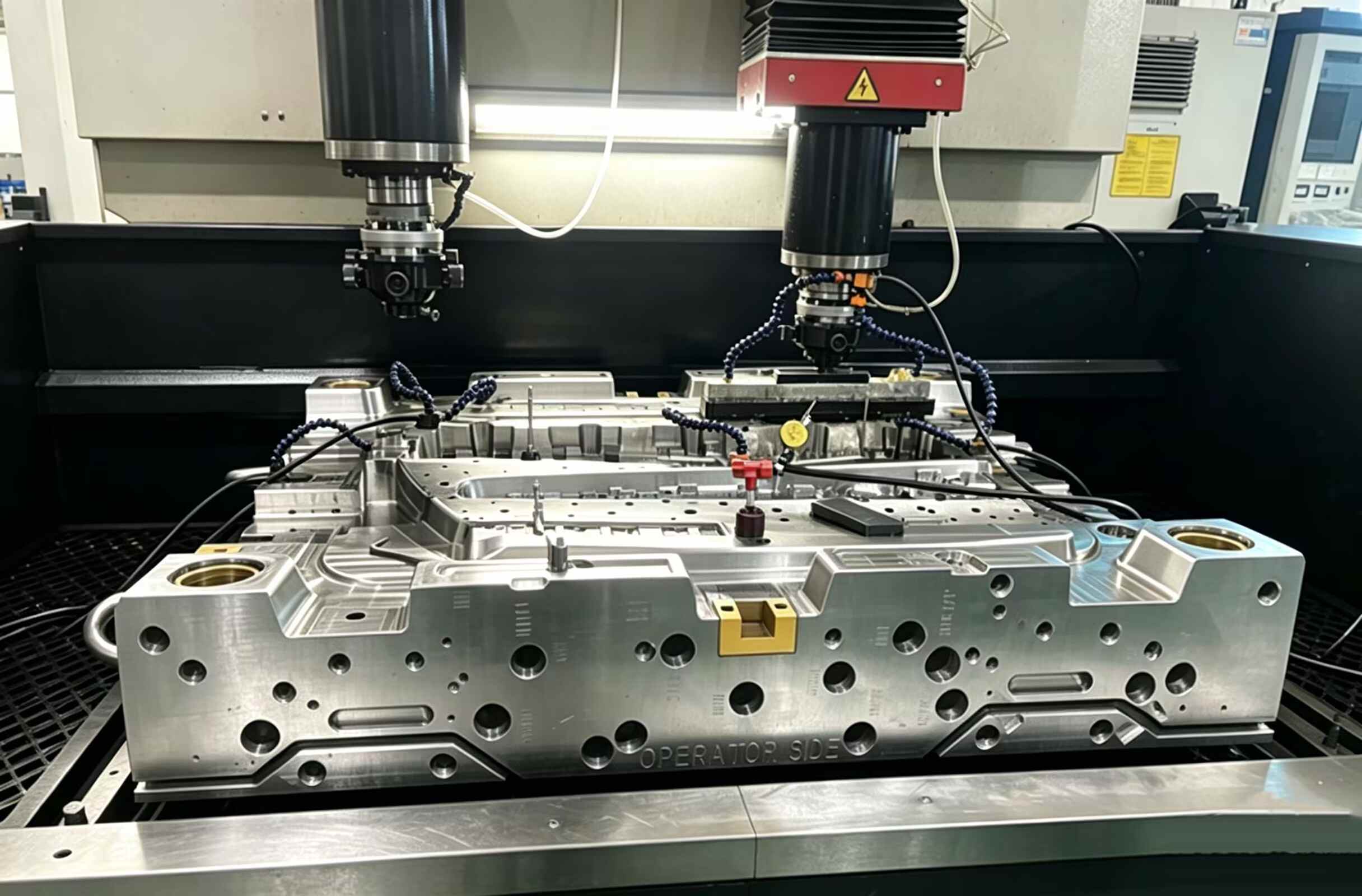
Its engineering process includes front-end DFM and flow simulation, CNC and EDM machining, cooling and venting design, trial molding, and low-volume bridge production. The team can also work with sliders, lifters, inserts, hot or cold runners, and steels such as P20, H13, S136, and NAK80.
This combination is relevant when a fast tool still needs a clear route toward stable mass production. Project scope, resin, tolerances, sample plan, and expected shots should be reviewed before steel is cut. General manufacturing information is available on the company website.
Q1: How Fast Can a Rapid Injection Mold Be Made?
A: A simple tool may reach samples in 7 to 14 days, while many standard projects need 2 to 4 weeks. Complex side actions, unscrewing systems, two-shot structures, texture, or special steel can extend the schedule to 4 to 8 weeks.
Q2: Is Rapid Tooling Suitable for Production Parts?
A: Yes. It uses normal molding resins and can make functional, saleable parts. Confirm the expected shot count, tolerances, finish, and inspection plan before ordering.
Q3: Should You Choose Aluminum or P20 Steel?
A: Aluminum suits very fast, short runs and simple parts. P20 costs more and takes longer, but it handles wear, polishing, and engineering changes better.
Q4: What Files Are Needed for a Quote?
A: Provide a 3D CAD model, 2D tolerance drawing, resin grade, finish, color, expected volume, sample quantity, and target date. Note any critical assembly or sealing features.
Q5: Can a Rapid Tool Become a Production Tool?
A: Sometimes. A well-built steel tool may continue into moderate production. For high output, the rapid tool often serves as a bridge while a hardened multi-cavity mold is completed.
Related Posts



Contact Us