Low-Volume Injection Molding: On-Demand Production & Fast Tooling
23rd October 2026


 autor
autor
Ao iniciar um projeto com produtos de plástico, você ouvirá muito duas palavras principais: ferramentas de moldagem por injeção de plástico e moldagem por injeção. Elas trabalham em estreita colaboração. No entanto, resolvem problemas totalmente diferentes.
A ferramenta de moldagem por injeção cria o molde de produção propriamente dito. Em seguida, a moldagem por injeção utiliza esse mesmo molde para produzir as peças plásticas. Um único erro na etapa de fabricação da ferramenta prejudica todo o processo subsequente. Compromete a qualidade da peça, aumenta os custos e atrasa os prazos de entrega.
Para os compradores, a pergunta inteligente não é apenas "Quanto isso custa?". Em vez disso, é preciso perguntar: "Qual solução de ferramental realmente se adequa ao meu projeto, às minhas escolhas de materiais e aos meus objetivos de longo prazo?".

É preciso enxergar a clara distinção entre criar a ferramenta e usá-la. Muitos atrasos em projetos acontecem porque as pessoas acham que as duas tarefas são exatamente a mesma coisa.
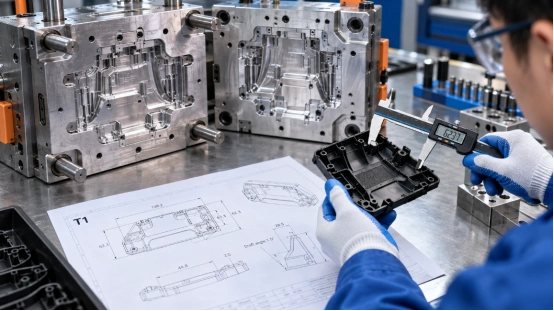
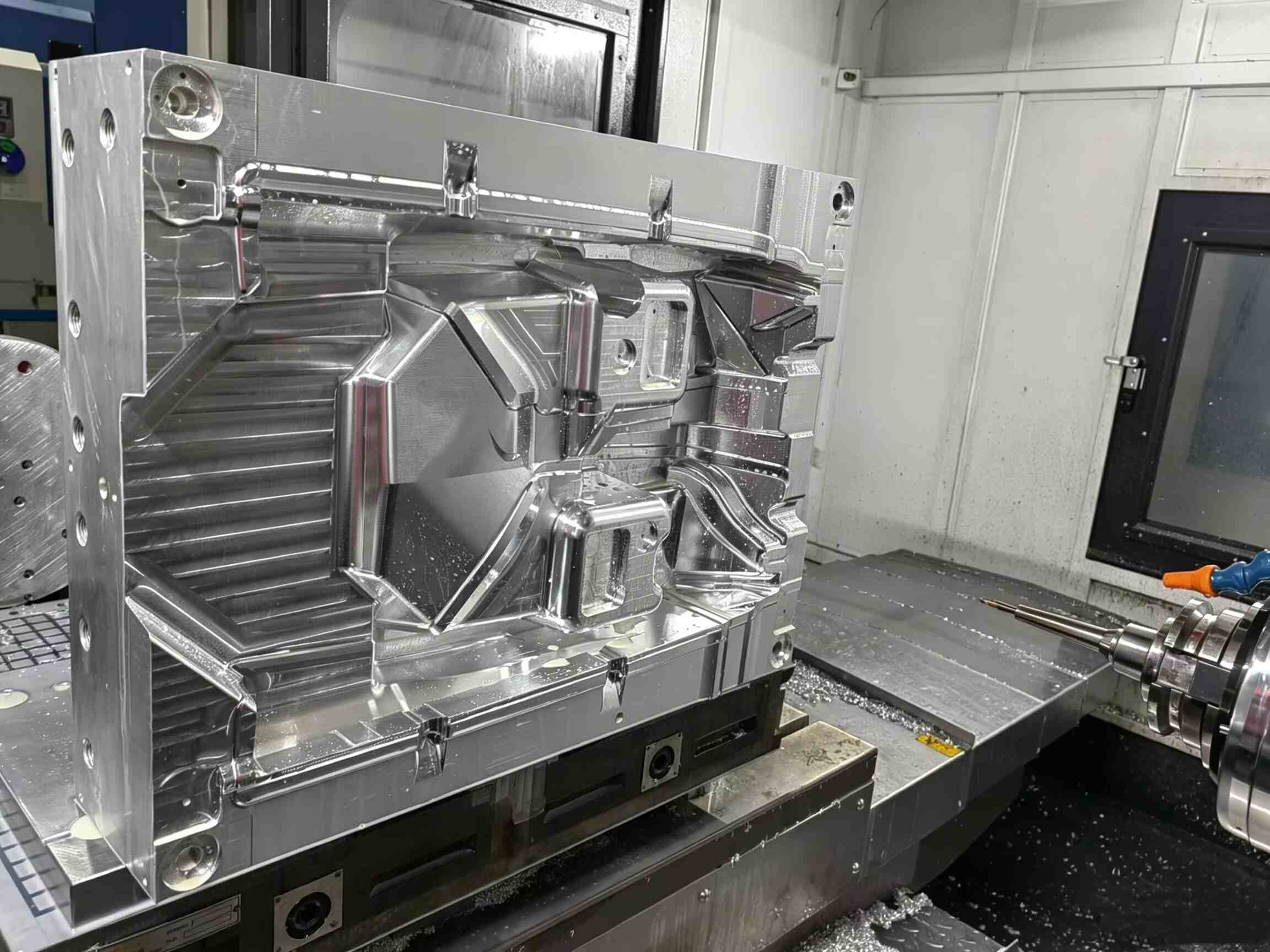
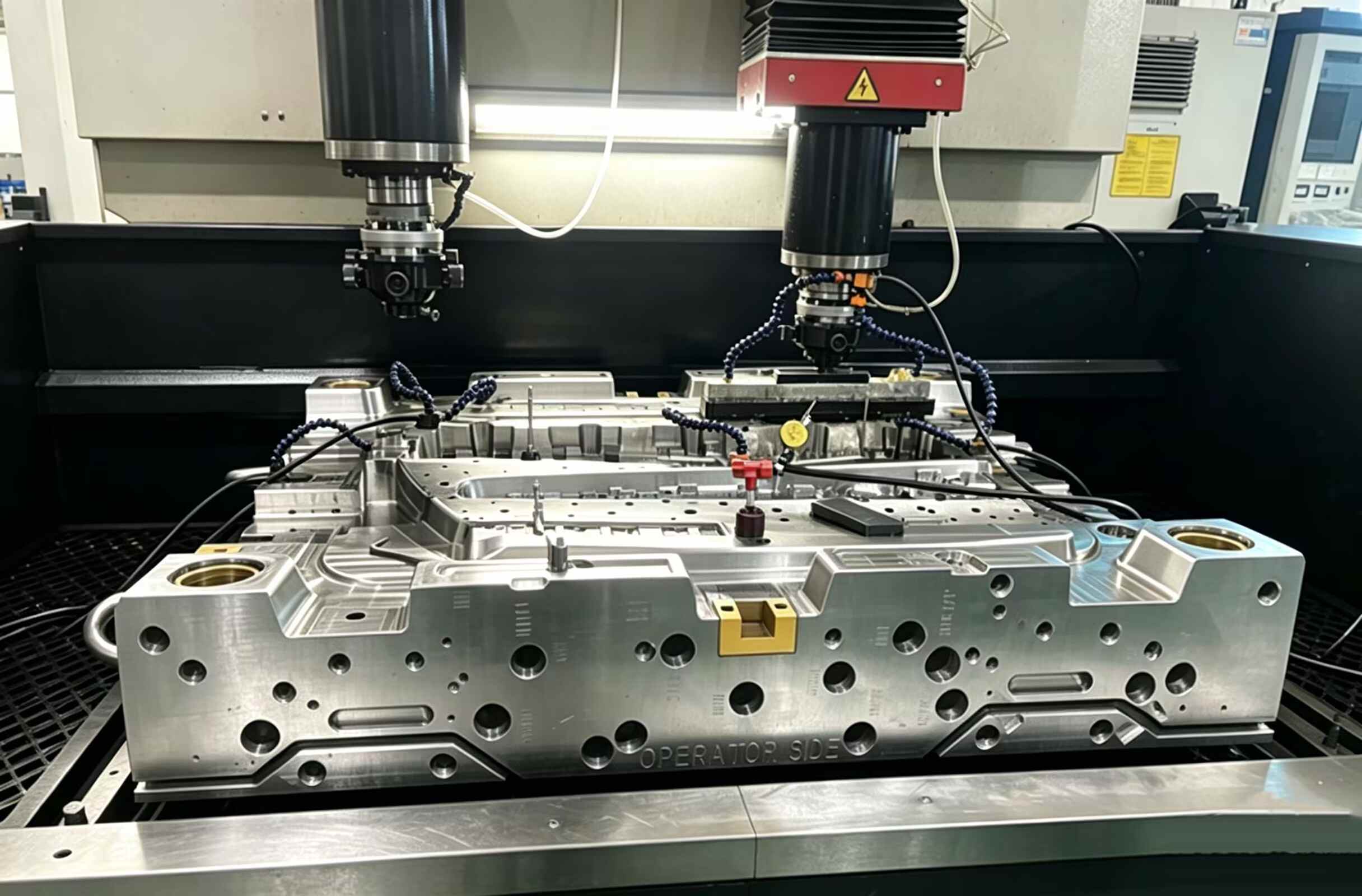
A fabricação de moldes para injeção de plástico é a etapa de engenharia complexa que constrói o próprio molde. Essa fase delicada inclui o projeto do molde, a seleção do aço adequado, a usinagem CNC, o corte por eletroerosão (EDM), a montagem, os testes de injeção e as verificações finais.
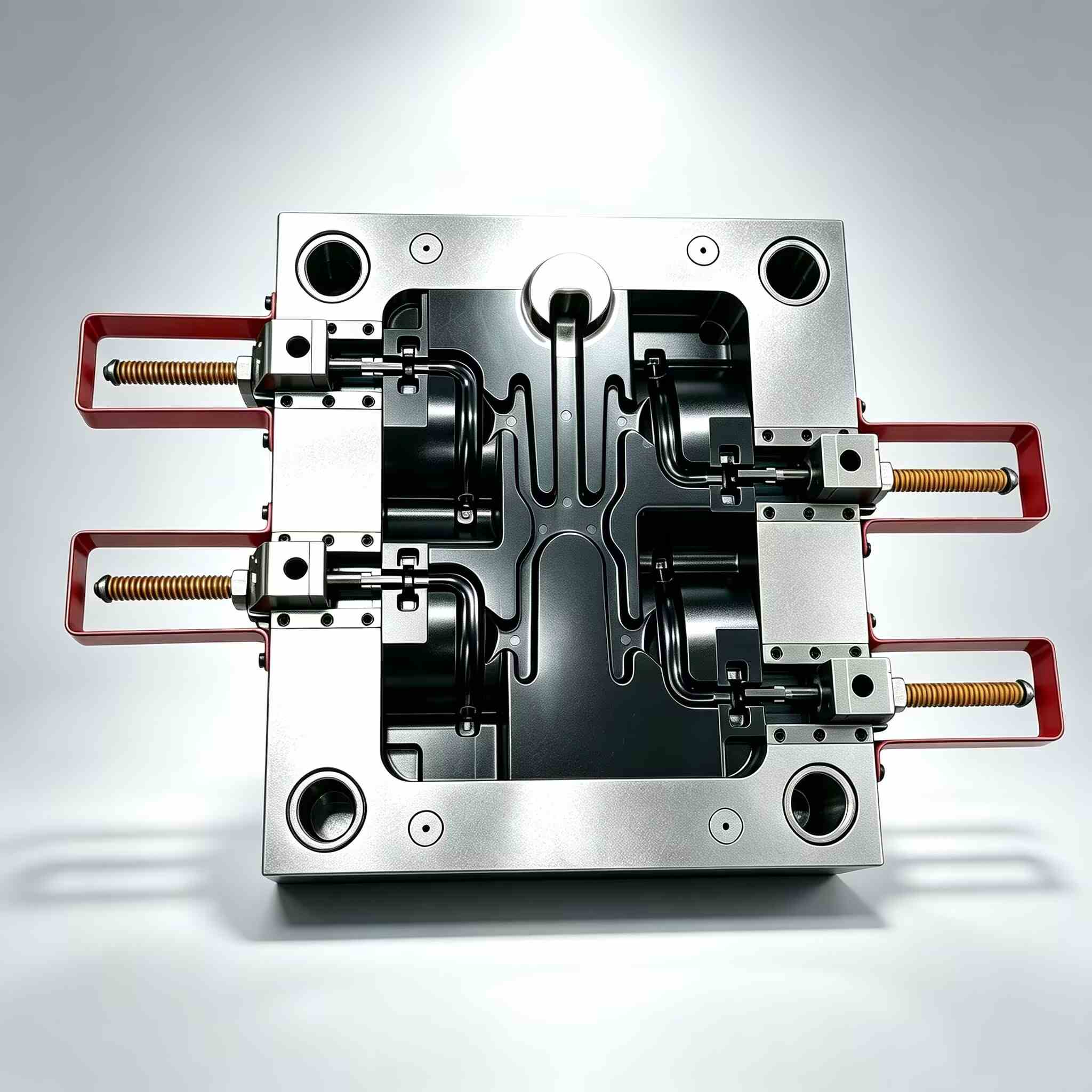
O molde abriga muitos sistemas vitais. Ele inclui o núcleo e a cavidade, os canais de injeção, as linhas de refrigeração e os pinos de extração. Cada componente contribui para a estabilidade da produção.
Um molde sólido é muito mais do que apenas um bloco de metal esculpido. Ele funciona como um ativo de produção de longo prazo, construído estritamente em torno das necessidades do seu produto. Por exemplo, peças extremamente complexas podem exigir mecanismos deslizantes ou sistemas de elevação. Podem utilizar núcleos roscados, moldagem por inserção ou configurações complexas de injeção dupla. Esses recursos sofisticados alteram completamente o custo final do molde e as necessidades de manutenção.
Moldagem por injeção É o processo rápido que produz peças plásticas acabadas usando o molde já pronto.
Nessa etapa, o material plástico fica extremamente quente. Em seguida, é injetado na cavidade do molde, esfria rapidamente e sai como uma peça sólida. Esse processo permite que as fábricas produzam grandes quantidades de peças plásticas idênticas em pouco tempo.
A qualidade do seu produto final depende tanto do processo de moldagem quanto do projeto original do molde. Defeitos desagradáveis, como marcas de fluxo, marcas de afundamento ou formas distorcidas, geralmente surgem de escolhas ruins feitas na fase inicial de desenvolvimento da ferramenta.
O molde determina se o seu novo produto realmente sobreviverá à produção em massa. Um molde barato pode parecer ótimo à primeira vista. No entanto, um molde mal construído causa grandes dores de cabeça mais tarde. Você desperdiçará dinheiro com reparos intermináveis, ferramentas quebradas e péssima qualidade.
Por isso, construtores inteligentes sempre realizam uma análise DFM rigorosa para moldagem por injeção antes de sequer tocar em qualquer peça de aço. Verificar a espessura da parede e os ângulos de saída logo no início evita reparos extremamente caros mais tarde.
O custo final das ferramentas de moldagem por injeção varia de acordo com diversos fatores. Complexidade da peça, estrutura do molde, metal utilizado, brilho da superfície e o volume total de produção previsto são todos elementos importantes.
Um molde simples de cavidade única custa muito menos do que uma ferramenta enorme com múltiplas cavidades, construída para milhões de injeções.
Os principais fatores de custo incluem:
Geometria e complexidade da peça
Tamanho do molde
Número de cavidades
Seleção de aço para moldes
Requisitos de acabamento de superfície
Configuração de canal quente ou canal frio
Peças extras como deslizadores ou elevadores
Se uma peça tiver reentrâncias estranhas, ela precisará de deslizadores sofisticados. Se precisar de um brilho espelhado, os operários devem polir a peça com perfeição. A escolha certa nunca é simplesmente optar pelo molde mais barato. É preciso escolher aquele que corresponda aos planos reais da sua fábrica.
Os compradores sempre perguntam quanto tempo dura um molde de injeção. A resposta honesta depende do projeto, da qualidade da construção e dos cuidados diários.
A vida útil dos moldes de injeção é medida em ciclos de produção, e não em anos civis. O aço e o material plástico escolhidos para o molde influenciam significativamente sua vida útil.
Algumas coisas principais podem alterar rapidamente a vida útil de um molde de injeção:
Seleção de aço para moldes
Diferentes trabalhos exigem diferentes metais. Na construção civil, é comum usar P20, H13, S136 ou NAK80. Escolher o metal correto evita o desgaste e impede a deformação.
Material plástico
Plásticos de engenharia resistentes, carregados com fibra de vidro, corroem rapidamente as paredes do molde. É preciso levar em consideração a resistência desse material já na fase de projeto.
Estrutura do molde
As linhas de refrigeração e as peças móveis devem estar perfeitamente alinhadas. Uma refrigeração inadequada prolonga o tempo de ciclo e danifica as peças.
Manutenção
A limpeza e lubrificação do molde o mantêm em bom estado. Um bom cuidado com o molde protege seu grande investimento.

Um excelente processo de fabricação de moldes de injeção começa muito antes das máquinas serem ligadas. O objetivo é identificar problemas precocemente.
Uma loja especializada realiza primeiro uma análise DFM (Design for Manufacturing). Os engenheiros examinam atentamente:
Espessura da parede
Ângulos de inclinação
Estrutura da peça
Escolha do material
Riscos de fabricação
Essa medida engenhosa resolve o triste problema de construir uma ferramenta bonita que, na verdade, não consegue disparar plástico.
O percurso normal inclui:
Revisão do design do produto
Análise DFM
Fabricação de ferramentas
Moldagem de teste
Produção piloto
Produção em massa
Um fornecedor com todas as competências necessárias pode orientá-lo em cada etapa, com segurança.
Escolher um fornecedor de moldes de injeção significa encontrar um parceiro inteligente, e não apenas comparar preços.
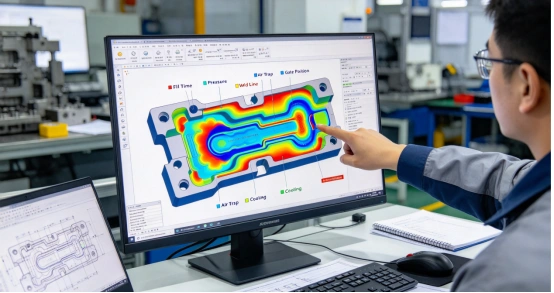
Um parceiro forte entende tanto de design quanto do trabalho diário na fábrica. A XINKEY MOULD possui mais de 25 anos de experiência prática na fabricação de moldes. Sua equipe de engenharia altamente qualificada realiza análises detalhadas de DFM (Design for Manufacturing) e Moldflow desde o início do processo.
Eles cuidam de tudo, desde... molde de injeção de plástico personalizado Do design a testes rápidos e produção em massa, a XINKEY MOULD prioriza a fabricação (DFM). Isso reduz custos e garante a estabilidade perfeita das peças finais. A XINKEY MOULD oferece uma solução completa de segurança para a fabricação de suas peças plásticas.
O melhor caminho a seguir depende da sua fase atual. Precisa de testes? Invista em ferramentas de fabricação rápida. Precisa apenas de algumas peças? Escolha um molde básico e mais barato. Vai produzir milhões de unidades? É melhor investir em aço de alta qualidade e planejar uma manutenção rigorosa. Um planejamento inteligente de ferramentas evita gastos desnecessários e garante o lançamento do seu produto no mercado sem problemas.
P1: Qual a diferença entre ferramentas de moldagem por injeção de plástico e moldagem por injeção?
A: As ferramentas de moldagem por injeção de plástico constroem o molde de aço pesado. A moldagem por injeção utiliza esse molde finalizado para produzir peças de plástico.
Q2: Quanto custam as ferramentas de moldagem por injeção?
A: Os custos variam de acordo com o formato da peça, o layout do molde, o tipo de aço, o número de cavidades, as necessidades de acabamento e o volume final da injeção.
P3: Quanto tempo dura um molde de injeção?
A: A vida útil de um molde de injeção varia de acordo com o metal, o tipo de plástico e a qualidade da limpeza realizada pelos funcionários. Moldes para produção em larga escala duram muito mais do que ferramentas de teste baratas.
Q4: Por que a análise DFM é importante antes da fabricação por injeção de moldes?
A: A análise DFM identifica erros de projeto graves antes mesmo do corte do aço. Isso impede correções tardias e mantém a produção na fábrica altamente estável.
Q5: Como escolher o fornecedor certo de moldes de injeção?
A: Encontre uma empresa com sólida formação em engenharia, habilidades de design apuradas, controle de fábrica rigoroso e experiência comprovada em produção em massa.
Postos relacionados



Contacte-nos