

Low-Volume Injection Molding Cost: Complete 2026 Pricing & Tooling Breakdown
-
 autore
- 30th October 2026
Low-volume injection molding gives you production-intent parts for design checks, pilot sales and bridge production. The budget covers the mold, part price and project services. This injection molding cost breakdown helps you review a quote.
How Do You Calculate Low-Volume Injection Molding Cost?
Use this equation: total project cost = tooling cost + (piece price x finished-part quantity) + project services. Services include DFM analysis, Moldflow, sampling, inspection, packaging, freight and engineering changes. The low volume injection molding price follows geometry, resin, cavity count, press size, cycle time and quantity.
What Does the Tooling Cost Include?
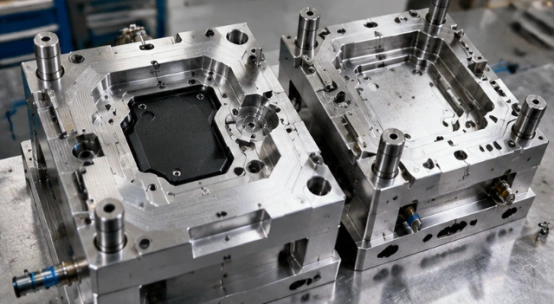
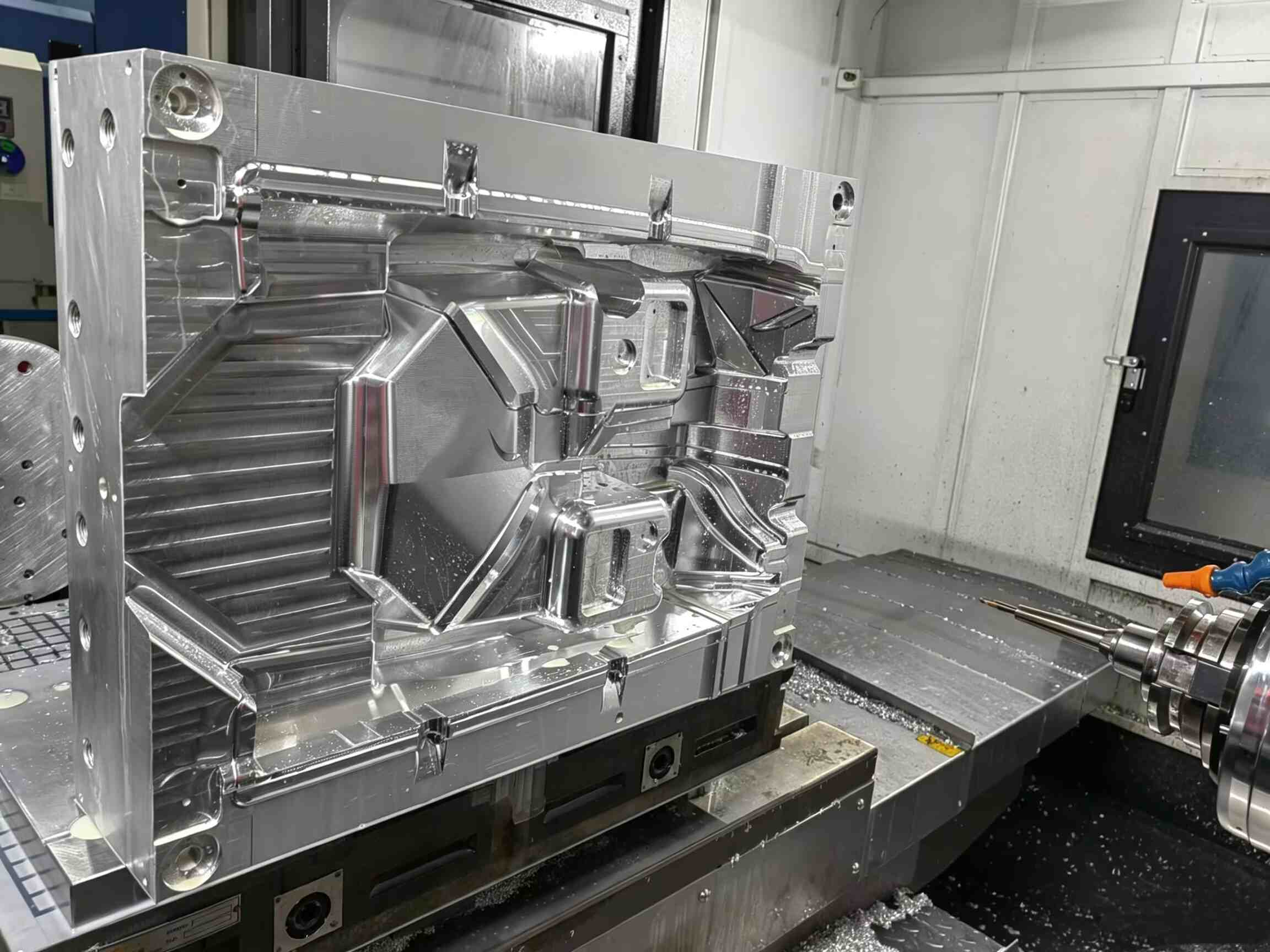
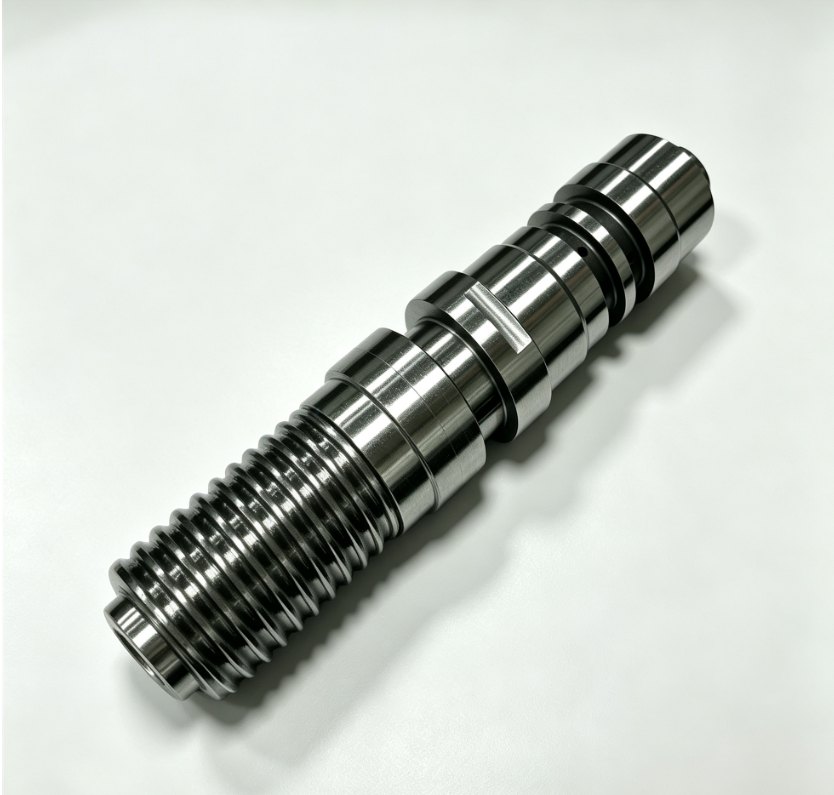
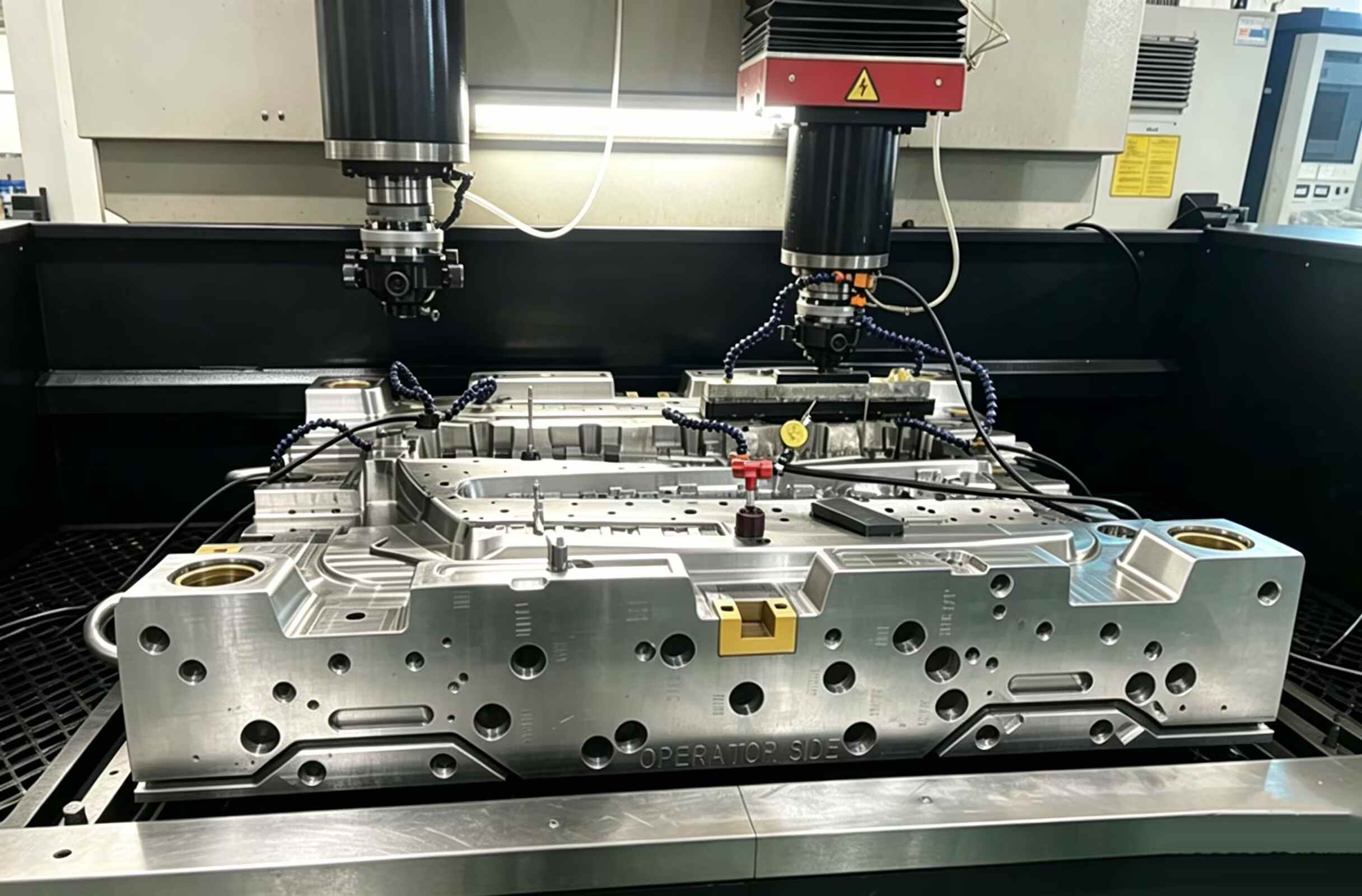
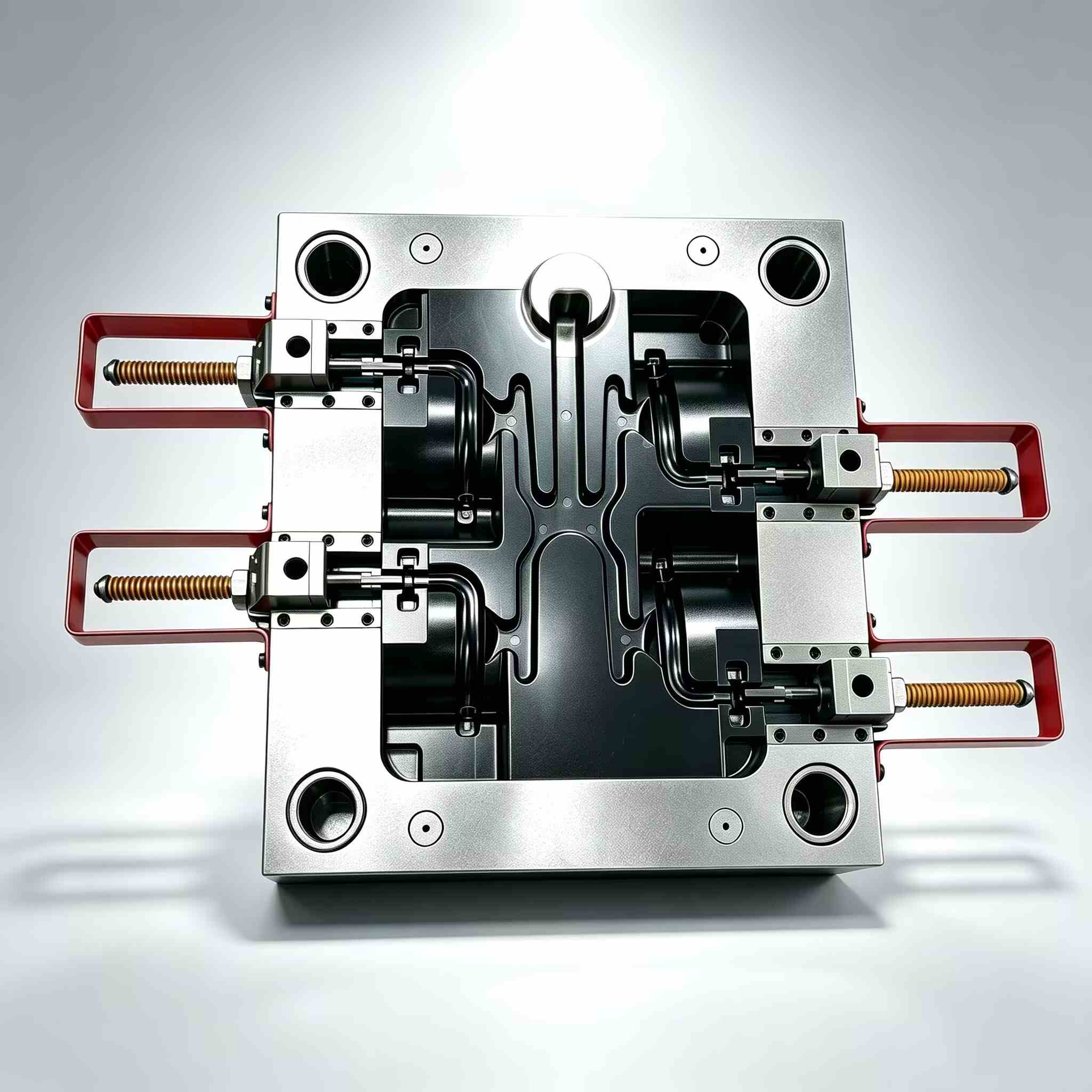
The low-volume injection molding tooling cost includes the mold base, steel, CNC machining, EDM, heat treatment, runners, cooling, ejection and trial molding. Sliders, lifters, threaded cores and inserts add fitting work. Ask the quote to list each item.
What Does the Part Price Include?
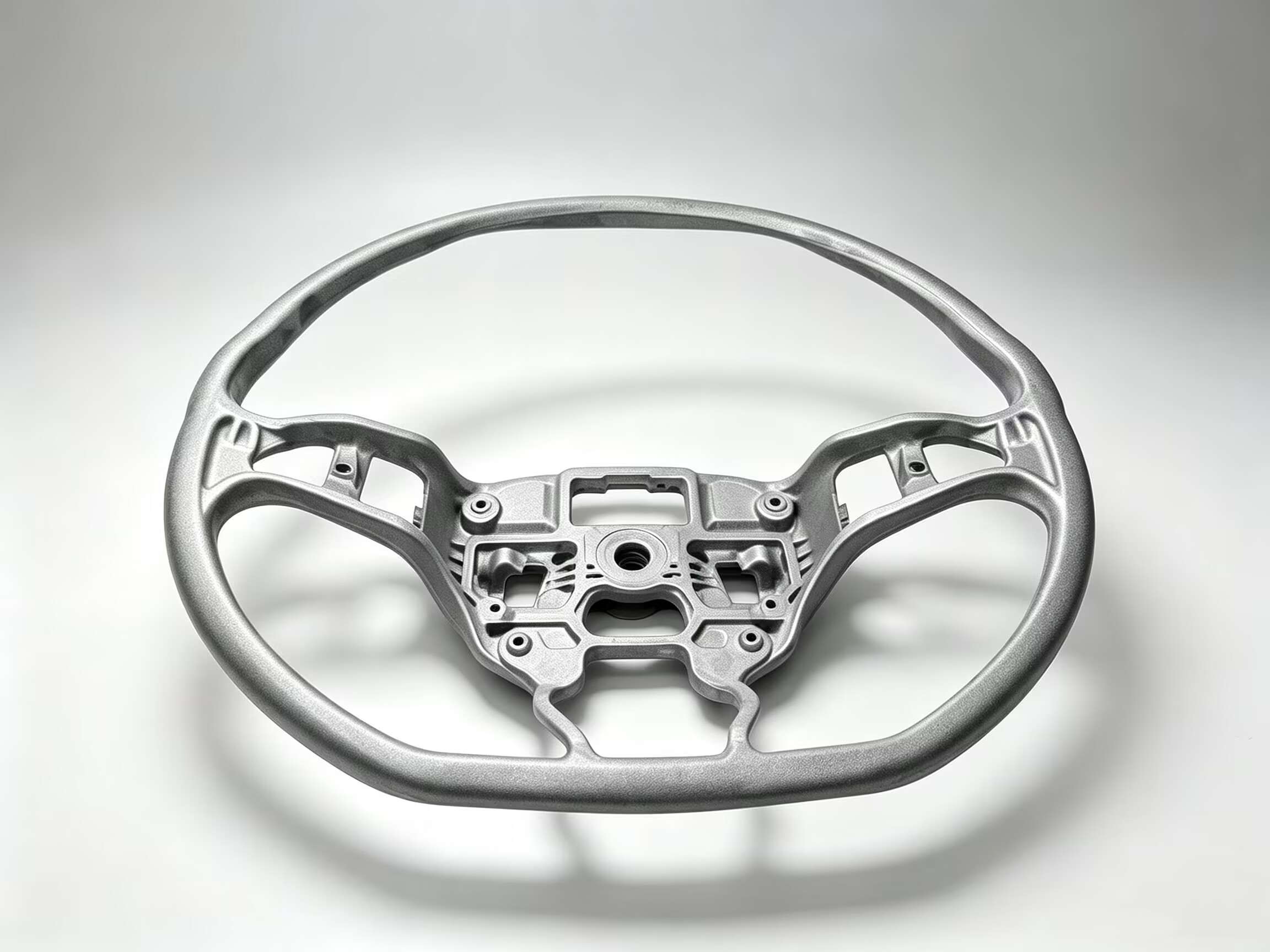
Your plastic injection molding cost per part follows resin and runner weight, scrap, machine time, labor, trimming, assembly, inspection and packing. The injection molding cost per unit falls as output rises. More cavities add balance and validation work. Ask for target cycle time and yield.
What Volume Fits a Low-Volume Injection Mold?
Volume describes the production plan, tool life and revision risk. A 500-part design check differs from a 20,000-part bridge run. Finished parts per run equal shots multiplied by cavity count, adjusted for samples and scrap. This matters when you compare prototype injection mold cost with bridge tooling cost.
Which Tooling Ranges Can You Use for Planning?
Directional 2026 ranges place a Class 105 aluminum tool around $2,000-$5,000+ and 500-10,000 shots. Class 103 P20 tooling runs around $5,000-$25,000+ and 100,000-500,000 shots. Class 101 hardened tooling can reach $50,000-$100,000+ and 1,000,000+ shots. Part size, steel, mold standard, finish and mechanism count set the quote. Compare aluminum injection mold cost and steel injection mold cost against tool life and forecast volume.
When Does a Bridge Tool Fit?
A bridge tool supplies parts for fit checks, customer samples or an early release. Aluminum can shorten machining time for limited shots. Record resin, gate, cooling and inspection data for the next tool.
Which Design Choices Change the Tool and Part Price?
Design choices set cost before machining. A rib, draft angle or parting-line change can remove a mechanism, shorten cooling or allow a smaller press. Connect each DFM change to a cost or risk.
How Do Undercuts and Tolerances Affect Cost?
Side holes, snap hooks, threads and inserts can require sliders, lifters, unscrewing cores or fixtures. Tight tolerances add EDM, grinding, fitting and inspection time. Mark seals, threads, datums and cosmetic zones on the drawing.
How Do Cooling, Gates and Ejection Affect Cycle Time?
Cooling often occupies 50%-80% of an injection cycle. Thick or uneven walls extend cycle time and machine use. Gates, runner balance and venting affect filling, weld lines and air traps. Ejectors and lifters affect release force and drag marks. Include these checks in DFM and Moldflow.
How Do Resin Choices Affect Cost?
Directional examples place PP at $1.50-$3.50/kg, ABS at $2.00-$4.50/kg and PC at $3.00-$6.50/kg. Grade, additives, drying, shrinkage and certification change price. Request the part-weight assumption and material lot record.
How Can You Compare Two Tooling Paths?
Use an calcolatore dei costi degli stampi a iniezione with the same assumptions for each supplier. List tooling, piece price, sampling, freight, scrap, maintenance and revisions separately. Late design review extends sampling.
What Is the Break-Even Quantity?
Use this formula: break-even quantity = (higher tooling cost – lower tooling cost) / (lower piece price – higher piece price). A $4,000 bridge tool at $2.40 per part totals $16,000 for 5,000 parts. An $18,000 production tool at $1.25 totals $24,250. Compare 1,000, 10,000 and 25,000 parts too.
Which Quote Details Should You Compare?
Compare steel, mold standard, cavities, shot life, runner, cycle time, sampling dates, inspection, packaging, freight, ownership and maintenance. Ask for steel-safe changes and a correction plan. These details show initial and later costs.
What Should You Request Before T1 Sampling?
Send the supplier 3D CAD, drawing, resin grade, color, part weight, projected area, forecast, first-release quantity, cosmetic zones, critical dimensions and delivery date.
What Should the T1 Sample Report Contain?
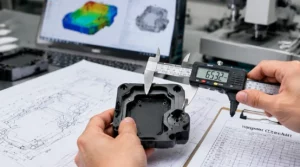
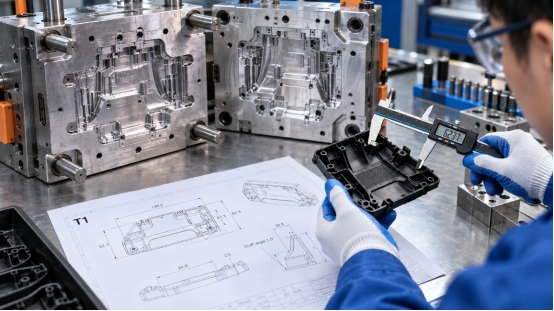
Request measurements, part weight, cycle time, resin lot, machine settings, defect photos, open issues and corrective actions. The process moves from product design and DFM to mold design, tooling, trials, pilot and mass production. Give each handoff an owner and release decision.
How Do You Check a Supplier’s Engineering Scope?
Ask who performs DFM analysis, Moldflow, mold design, machining, assembly, trials and low-volume injection molding support. Confirm the press, steel plan, inspection method and T1 sample date. Apply the same review to medical, electronics, automotive and industrial low-volume plastic parts.
How Can an Engineering-Led Supplier Control Low-Volume Cost?
Review how design feedback connects to tooling and sampling data. Check which engineering tasks happen before steel release and which records support the piece-price decision.
A Practical XINKEY MOULD Example
XINKEY MOLD describes 22 in-house designers, DFM and Moldflow, 19+ CNC centers and 90T-750T injection capacity. Its listed scope includes rapid prototype molds, low-volume trials, sliders, lifters, inserts, threading and 2K structures. Ask for the assigned engineer, DFM deliverable, press, T1 plan and inspection report. Review injection mold engineering solutions and custom plastic injection molds.
Review wall thickness, draft, steel, cycle time, cavity balance and release evidence. These details anchor a small batch injection molding cost review.
FAQ
Use these planning answers to frame a project-specific quote.
Q1: How Much Does a Low-Volume Injection Mold Cost in 2026?
A: A Class 105 aluminum tool often falls around $2,000-$5,000+, Class 103 P20 around $5,000-$25,000+, and Class 101 hardened tooling around $50,000-$100,000+. Geometry, cavities, finish and trial scope set the quote.
Q2: What Is the Cheapest Mold Material for a Small Batch?
A: Aluminum fits limited-shot validation. Choose by revision risk, resin wear, dimensions, shot plan and the next production step.
Q3: Does a Larger Cavity Count Lower the Cost per Part?
A: More cavities produce more parts per shot and can lower machine cost per part. They add runner balance, machining and cavity-specific inspection. Use break-even quantity to set the count.
Q4: How Does Cycle Time Affect Injection Molding Price?
A: Cooling, wall thickness, thermal balance and ejection set cycle time. Longer cycles use more press hours per order and raise piece price.
Q5: Can XINKEY MOULD Provide Low-Volume Injection Molding Support?
A: XINKEY MOULD lists rapid prototype molds, low-volume trials, DFM and Moldflow, precision sampling and support through mass production. Request the mold plan, press, T1 sample, inspection records and piece-price assumptions.



Contattaci