Nel mondo dello stampaggio a iniezione, la linea di separazione non è mai una semplice "divisione" casuale. È il punto di incontro cruciale in cui i vincoli ingegneristici incontrano le esigenze estetiche. Una superficie di separazione ben progettata non è solo funzionale, ma anche elegante, facile da lavorare e costruita per durare un milione di cicli.
Per farlo bene serve un mix di fredda logica ingegneristica e anni di esperienza pratica sul campo.
Innanzitutto, un breve riepilogo:
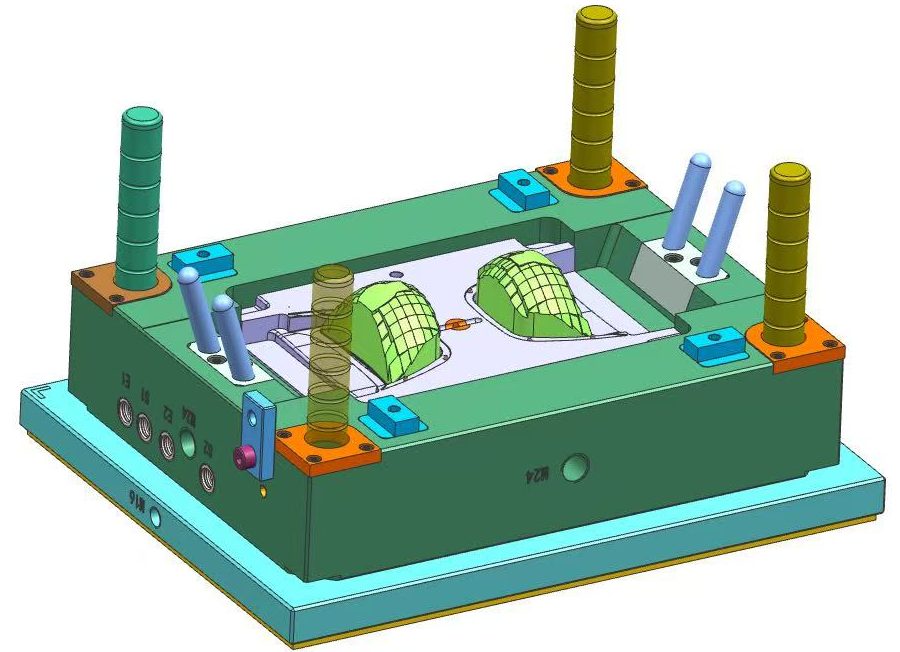
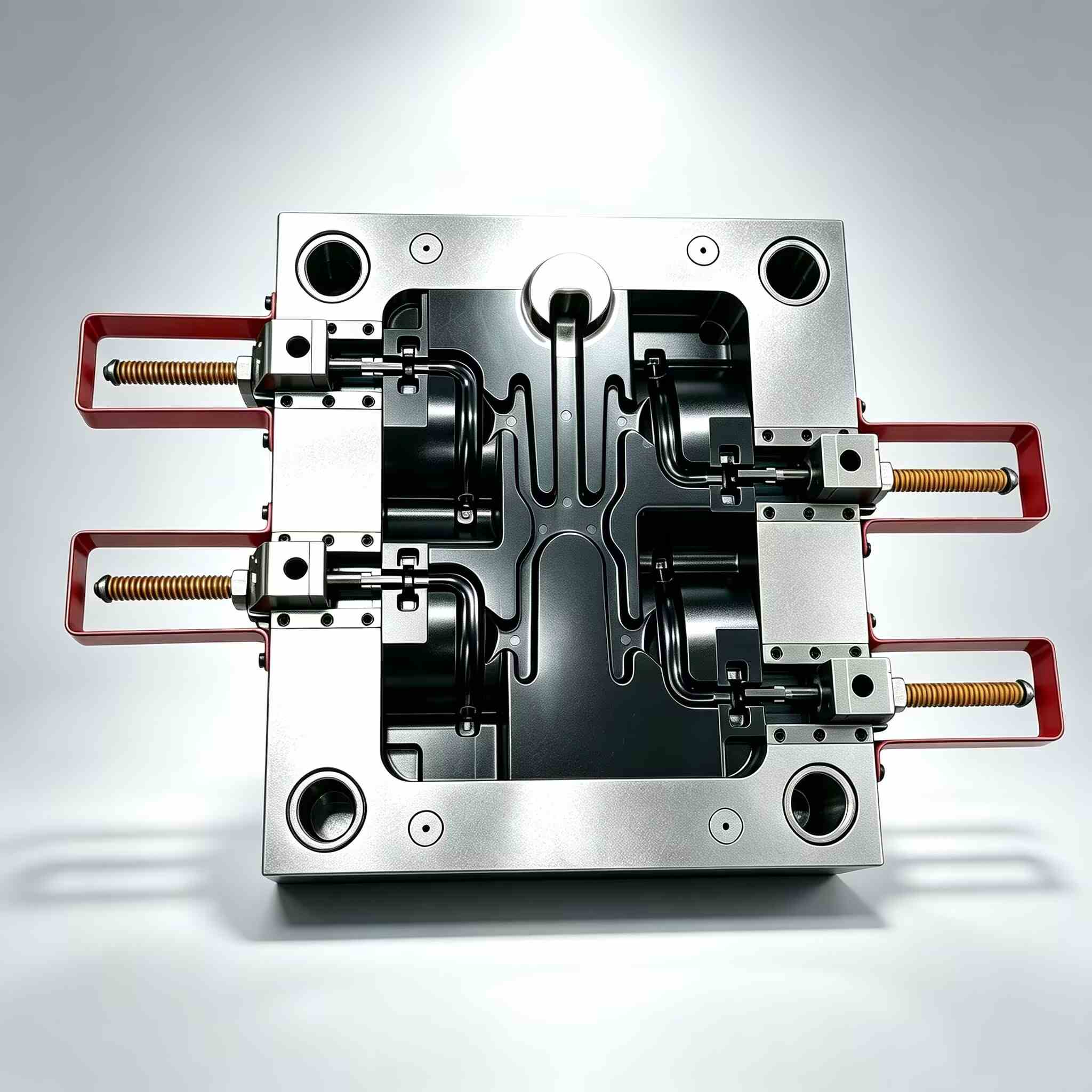
- La superficie di separazione: Questa è la "stretta di mano" tra il lato A (cavità) e il lato B (anima). È l'interfaccia primaria che definisce la geometria dell'utensile.
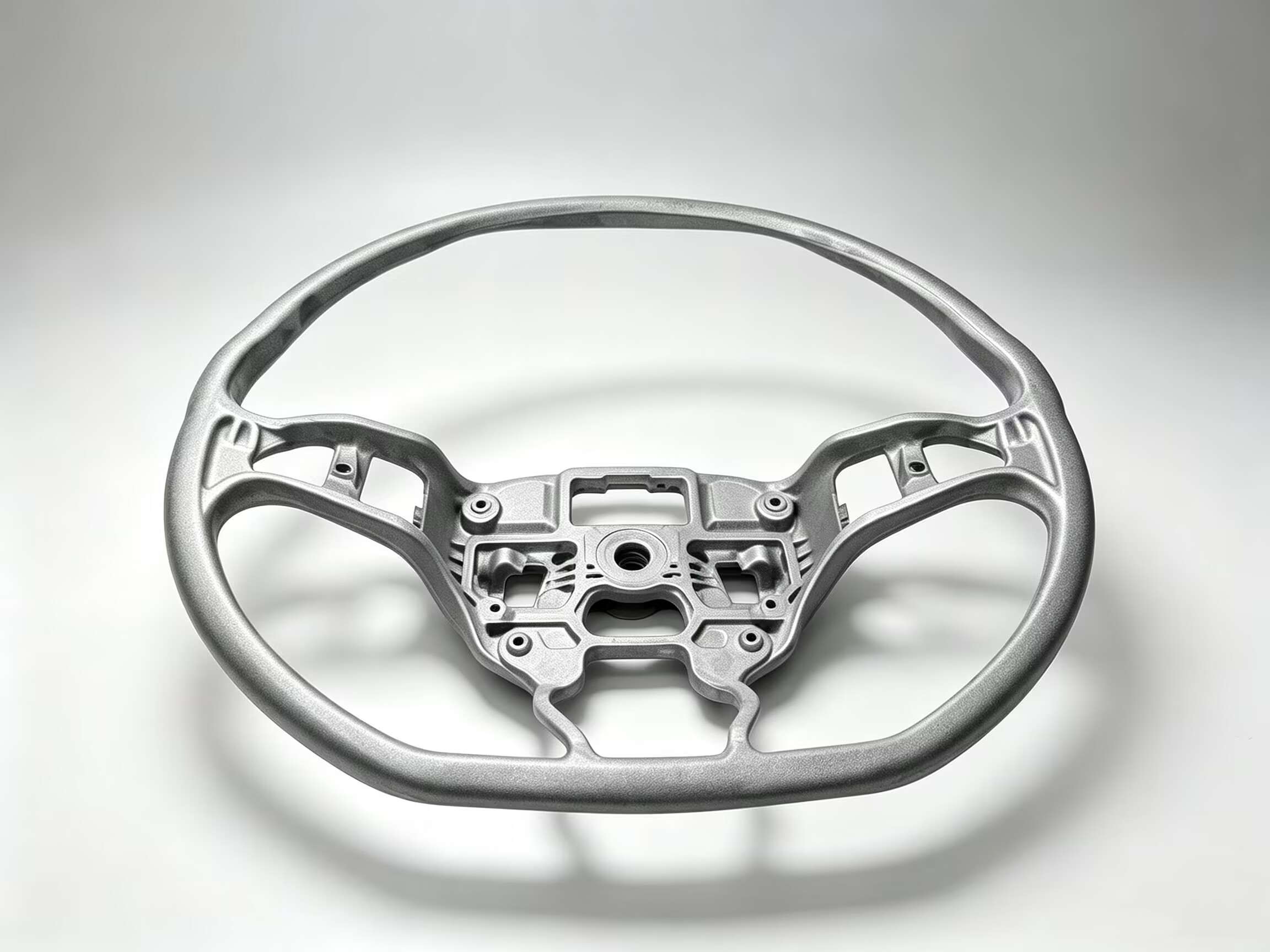
- La frase conclusiva: Questo è il segno di riferimento lasciato sul pezzo finale. Per un ingegnere, è una mappa di come ha funzionato lo stampo; per un consumatore, dovrebbe essere il più invisibile possibile.
La nostra filosofia è semplice: Ottimizzare per lo stampaggio, semplificare per la lavorazione meccanica e progettare tenendo sotto stretto controllo il costo totale di proprietà.
Ecco come analizziamo la strategia della linea di separazione.
- Estetica e precisione: "Il testimone invisibile"
In un mondo ideale, la linea di separazione dovrebbe essere invisibile. Se l'utente finale riesce a percepire una sporgenza con l'unghia o a vedere un bagliore fastidioso, significa che non abbiamo centrato l'obiettivo nella fase di progettazione.
- Seppellire il segno: Cerchiamo di evitare che le linee di giunzione siano visibili sulle superfici estetiche principali. Diamo la priorità a nasconderle in transizioni, nervature o scanalature decorative. Quando nascondere la linea non è possibile, spesso integriamo un gradino decorativo o una "linea d'ombra" nel design per camuffare la discrepanza.
- Caratteristiche di precisione del concentrato: Non suddividere geometrie ad alta tolleranza, come gradini di accoppiamento o fori concentrici, su entrambe le metà. Mantienile su un solo lato per evitare l'inevitabile problema dello spostamento dello stampo e dell'accumulo di tolleranze.
Dividerli lungo la linea di separazione introduce errori di assemblaggio e problemi di concentricità.
- Proteggere le zone funzionali: Non tracciare mai una linea di giunzione attraverso una superficie di tenuta o una filettatura di precisione. È il modo migliore per causare perdite e guasti meccanici.
- La priorità di sformatura: "Il rilascio pulito"
Un pezzo che si incastra nell'utensile non è solo un fastidio, ma un vero e proprio disastro per la produzione.
- Alla ricerca del profilo più ampio: Dividiamo sempre lo stampo in corrispondenza della sezione trasversale massima del pezzo. Ciò garantisce che il pezzo non interferisca con l'acciaio.
- Garantire il lato B 'abbraccio': Poiché il meccanismo di espulsione si trova sulla metà mobile, il pezzo deve rimanere in quella posizione quando lo stampo si apre. Riusciamo a ottenere questo risultato bilanciando attentamente la conicità e la texture, facendo in modo che il pezzo "afferri" il nucleo in modo da liberarsi dalla cavità ogni volta.
- Elimina le diapositive: Le azioni laterali (cursori e sollevatori) aumentano i costi e la complessità. Cerchiamo sempre di ottimizzare la linea di separazione per eliminare la necessità di tiranti laterali. Se proprio dobbiamo usarli, manteniamo la distanza di corsa breve e l'azione sul lato B.
- Producibilità: "Lo stampo traspirante"
Uno stampo che non può respirare è destinato a fallire. Usiamo la linea di separazione come i polmoni dello stampo.
- Ventilazione naturale: Posizioniamo strategicamente la linea di separazione alla fine del flusso di fusione. Ciò consente all'aria intrappolata di fuoriuscire naturalmente, prevenendo il temuto "effetto diesel" o le bruciature da gas che rovinano i pezzi.
- Gestione delle geometrie sottili: Per contrastare le variazioni di spessore delle pareti nei pezzi sottili, spesso è necessario passare a un piano di separazione conico o a gradini ad incastro. Questo blocca la geometria dell'utensile, mantenendo costante lo spessore nominale della parete e contrastando la tendenza del pezzo a deformarsi (a "patatina") durante il raffreddamento.
- Utensili e CNC: mantienilo lavorabile
La complessità è nemica di chi crea gli stampi.
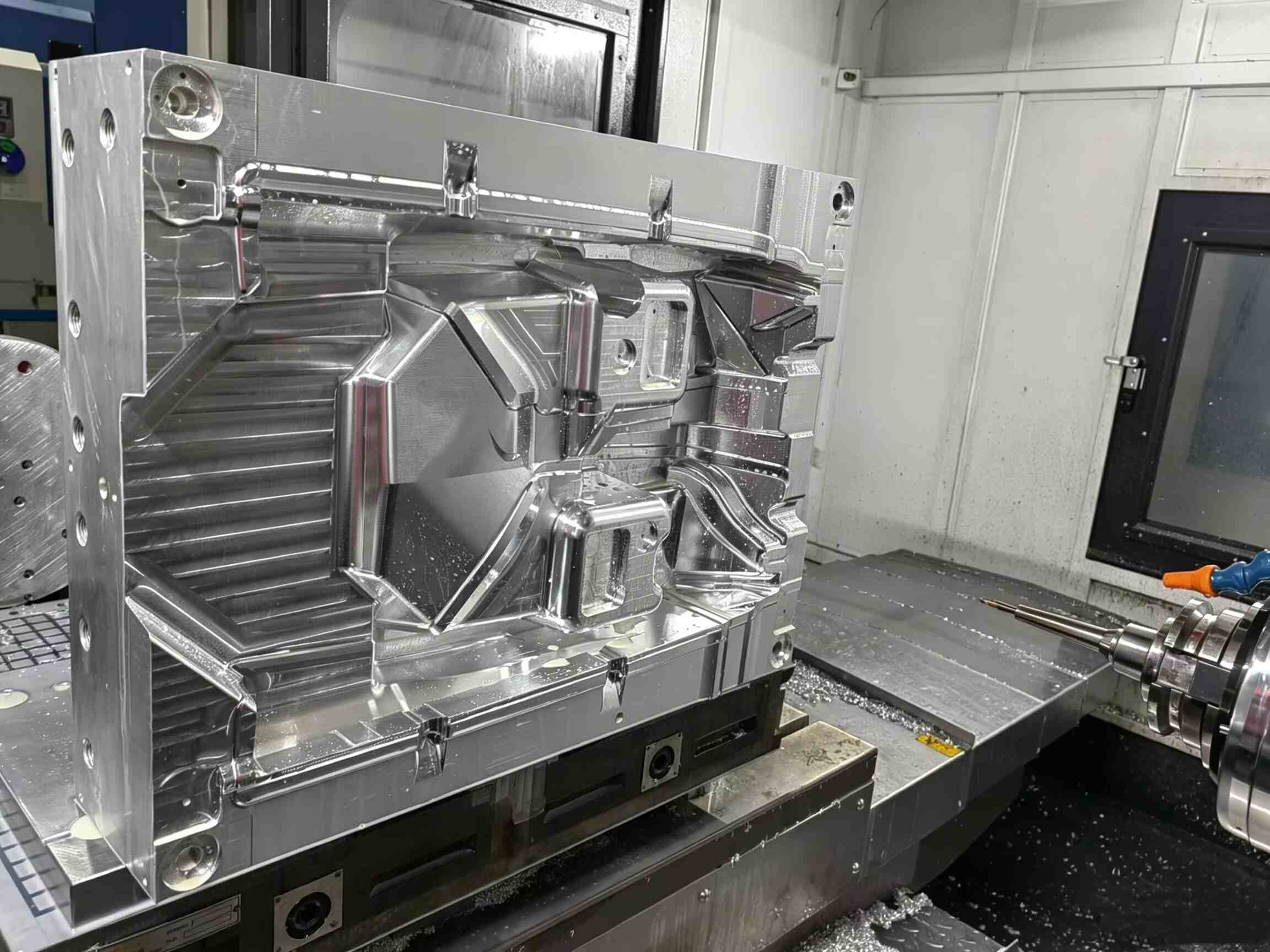
- Evita le "montagne russe": Quando possibile, utilizziamo piani di separazione piatti. Le superfici di separazione tortuose e multilivello possono sembrare interessanti in CAD, ma sono un incubo per le macchine CNC e ancor peggio per il posizionamento a mano durante l'assemblaggio.
- Nessuna condizione per l'acciaio sottile: Evitiamo angoli vivi o lame d'acciaio sottili in prossimità della linea di separazione. Queste aree sono soggette a scheggiature o usura precoce, che possono causare bave e costose riparazioni in futuro.
- Economia: "Combattere la stampa"
Il modo in cui suddividiamo il componente influisce direttamente sul costo per pezzo.
- Ridurre al minimo l'impatto ambientale: Allineiamo la linea di separazione per ridurre al minimo l'area proiettata del pezzo rispetto alla direzione di serraggio. Un'area proiettata inferiore significa un tonnellaggio richiesto inferiore, il che significa che possiamo lavorare il vostro pezzo su una pressa più piccola ed economica.
- Standardizzare e semplificare: Una sola linea di separazione principale è sempre meglio di tre. Più semplice è lo strumento, minori saranno i costi di manutenzione e maggiore l'affidabilità.
Il fondo
In definitiva, la linea di separazione non è solo un segno su un pezzo, ma la firma della qualità ingegneristica che lo contraddistingue. Che si tratti di precisione medicale o di produzione di beni di consumo in grandi volumi, il modo in cui si esegue la separazione dei pezzi nello stampo determina il successo dell'operazione.

 autore



Contattaci