
Low-Volume Injection Molding: On-Demand Production & Fast Tooling
23rd October 2026
 Aronna Zheng
Sejamos realistas. No mundo da moldagem por injeção, adoramos simplificar as coisas chamando-a simplesmente de "molde".
Mas dê um passo em qualquer fábrica movimentada — fique ao lado de uma prensa de 300 toneladas em pleno funcionamento — e você perceberá algo rapidamente:
Isso não é apenas ferramental.
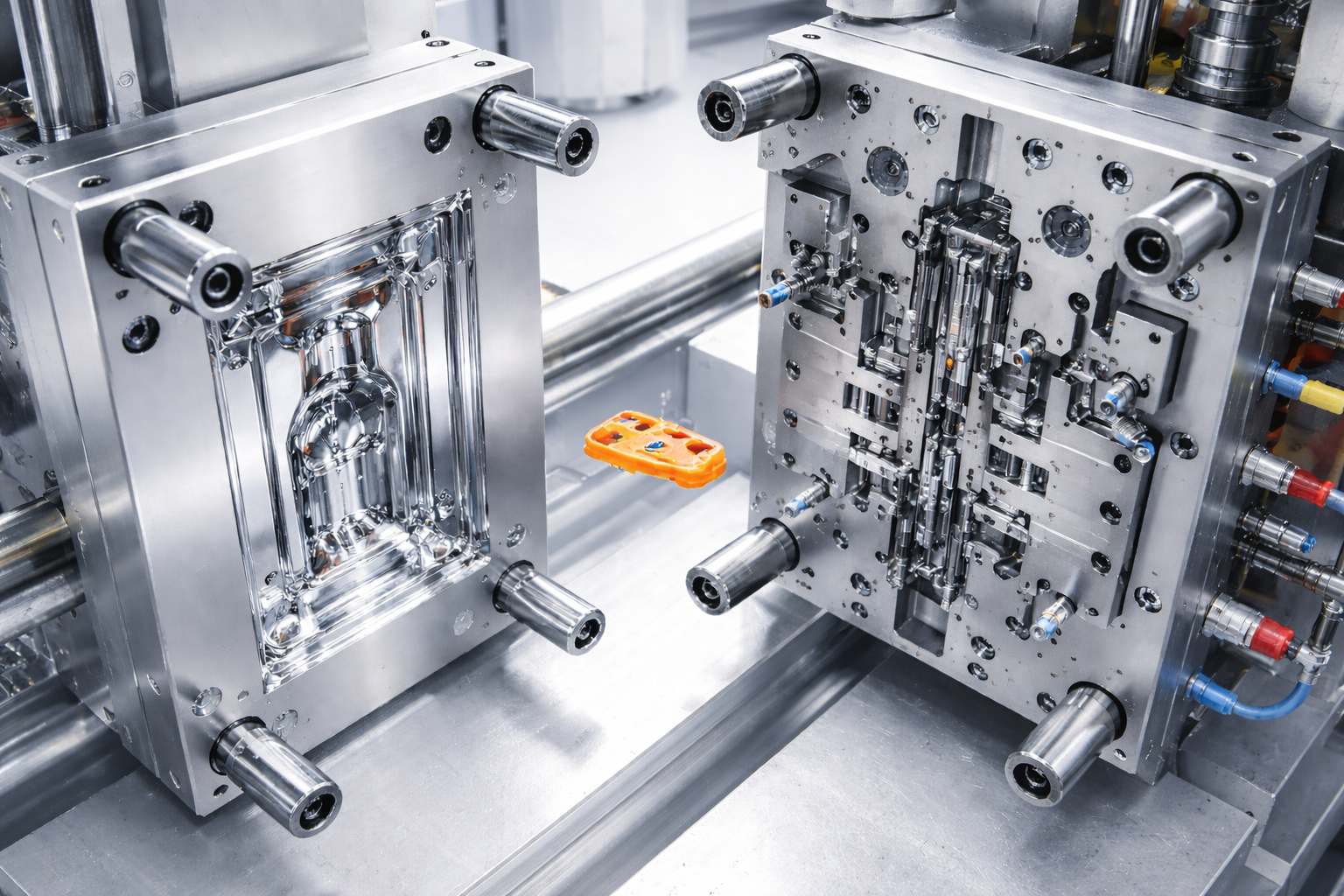
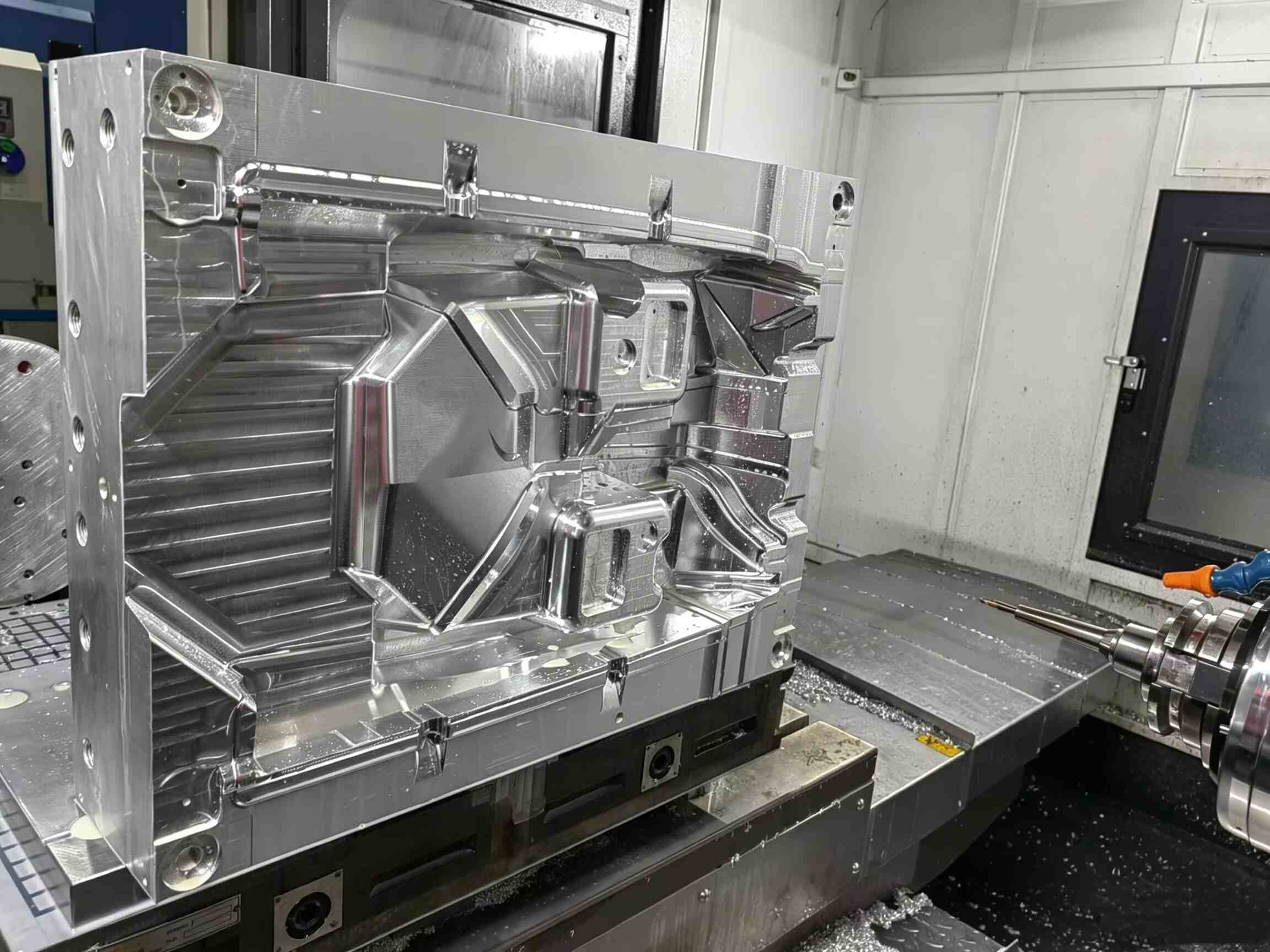
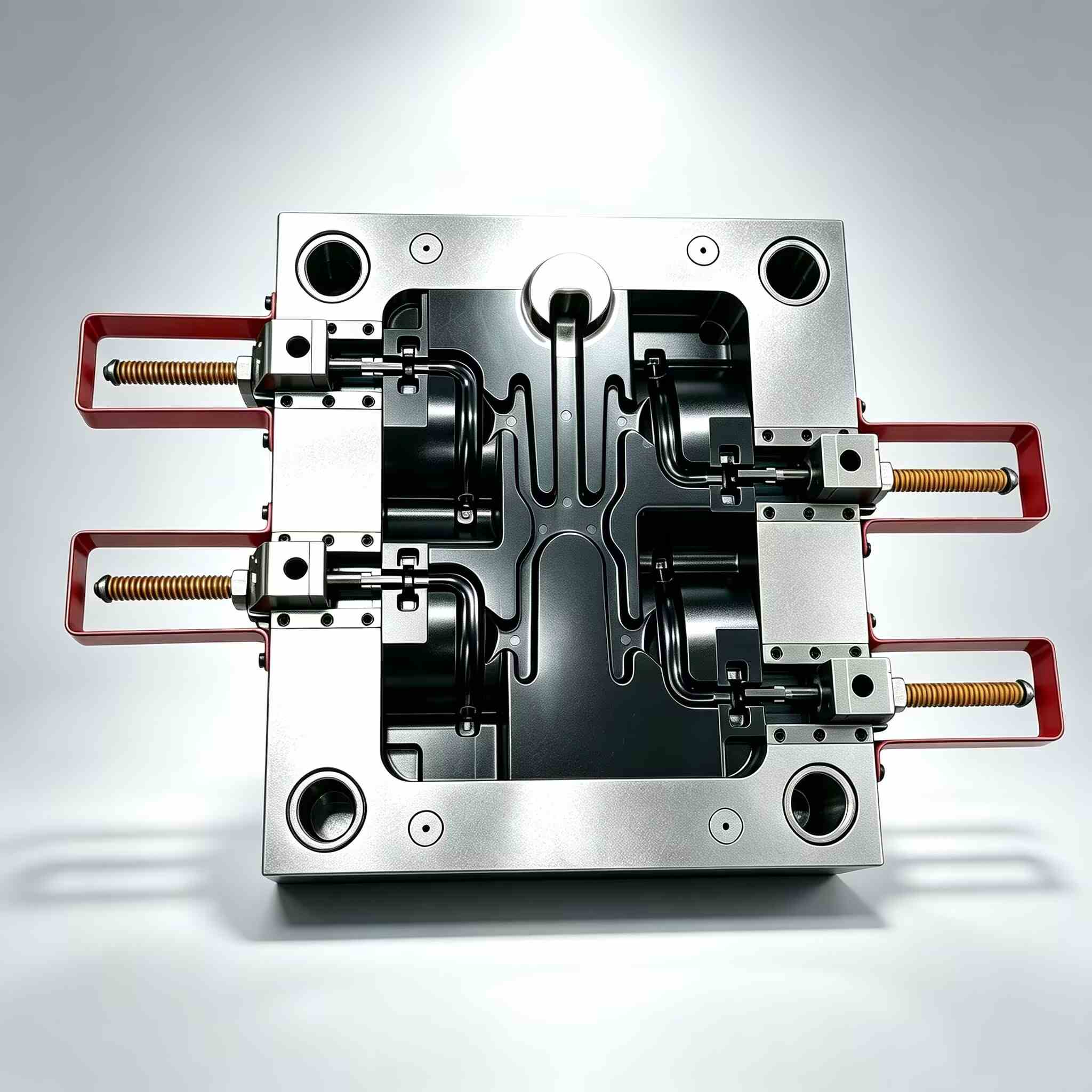
É um colisão de alta precisão e alta força entre dois blocos maciços de aço.
E quando o núcleo e a cavidade se desalinharem — mesmo que ligeiramente — você pagará o preço imediatamente:
Vamos deixar de lado a explicação teórica e falar sobre como isso funciona na prática.
A cavidade é a parte que todos veem — e julgam.
Se o seu produto precisar de:
� Tudo acontece aqui.
Agora vamos falar sobre o lado que realmente faz o trabalho pesado.
É aqui que as coisas se tornam mecânicas — e implacáveis.
Eis o que tira o sono dos especialistas em mofo.
No momento em que o plástico derretido entra em contato com o aço, ele começa a encolher.
Mas não encolhe uniformemente— agarra o núcleo.
Pense nisso da seguinte forma:
O plástico está tentando se "travar" em cada nervura, pino e detalhe do lado B.
Se o seu projeto não levar isso em consideração:
E sim, às vezes a peça permanece no Cavidade em vez de núcleo, o que é ainda pior.
Sem versão preliminar, não há lançamento. Simples assim.
� O rascunho não é opcional. É uma questão de sobrevivência.
Às vezes, sua cárie é Perfeito demais.
Uma superfície extremamente lisa pode criar uma vedação a vácuo que mantém a peça no lugar.
Soluções:
O design inteligente de moldes utiliza a textura como ferramenta, e não como decoração.
Por que?
� Você querer a parte para colar no lado B
Assim, o sistema ejetor consegue, de fato, desempenhar sua função.
A maioria das pessoas pensa que resfriamento = furar buracos.
Isso está errado.
O O núcleo é quase sempre a zona mais quente.:
Se o sistema de refrigeração for mal projetado:
Parece ótimo ao sair da forma… mas vira uma batata frita 10 minutos depois.
Nós entendemos — materiais como S136 ou NAK80 não são baratos.
Mas cortar custos aqui é um erro a longo prazo.
� Usando P20 para uma cavidade de alto volume e alto acabamento?
Isso não é economizar dinheiro — é adiar o fracasso.
Núcleo e cavidade não são apenas componentes.
Eles são um equilíbrio entre física, calor, atrito e tempo.
Se você está atualmente na fase de DFM (Design for Manufacturing), não se limite a revisar o modelo 3D. Pergunte-se:
Porque na produção real:
Bom design = produção estável
Projeto ruim = combate a incêndios diários
Passamos anos na linha de produção resolvendo exatamente esses problemas — na prática, não na teoria.
Se você quer que sua ferramenta funcione perfeitamente desde o primeiro disparo:
� Entre em contato conosco. Vamos garantir que seu molde funcione. na realidade, não apenas na tela.
Postos relacionados



Contacte-nos